

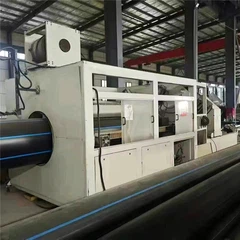
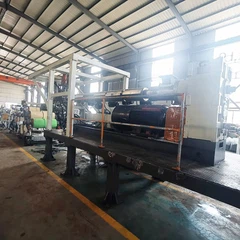
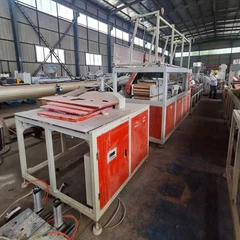
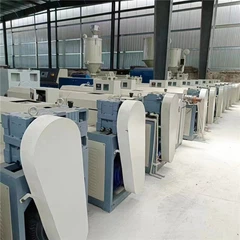

Used Extruder Equipment
Why Choose Us
Qingdao Confortune Machinery Co., Ltd. is a professional second-hand profile supplier with 20 years of industry experience. The company has introduced from Europe a number of multi-station processing centers and CNC lathes, CNC milling machines and a large number of advanced high-precision processing equipment. We specialize in producing Second Hand Extruder Machine, Second Hand PVC Extruder Machine, Second Hand Twin Screw Extruder, Used 45mm Single Screw Extruder, Second Hand Plastic Extrusion Machine, Used Extruder Machine, and other Second Hand Extruder.
Wide Product Range
We mainly sell all kinds of plastic different profile production line, all kinds of auxiliary plastic plate, sheet production line, plastic recycling (crushing, washing, granulation) line, centralized feeding system, such as plastic extrusion processing machinery and other products.
Products Sell Well
Our product are exported to Egypt, Pakistan, Poland, India, Turkey, Brazil, Peru, Mexico, Romania and other more than 20 countries and regions. Trusted and praised by customers.
Professional Solution
With rich experience and one-to-one service, we can help you choose products and answer technical questions.
Quick Transportation
We cooperate with professional sea shipping, air and logistics companies to provide you with the best transportation solution.
-
![Used Pvc Auxiliary Mixer]()
-
![Usd Pvc Extruder Machine Equipment]() Usd Pvc Extruder Machine EquipmentPVC 110-400mm machine extruder line,Jinhu brand.mold:110.160.200.250.315.400 good condition,we can run the machine before shipping,good condition,available machine auxiliary...read more
Usd Pvc Extruder Machine EquipmentPVC 110-400mm machine extruder line,Jinhu brand.mold:110.160.200.250.315.400 good condition,we can run the machine before shipping,good condition,available machine auxiliary...read more -
![Usd Plastic Pipe Machine Extruder]() Usd Plastic Pipe Machine Extruderusd plastic pipe machine extruder Zhongyun DWC pipe machine line,mould:200.300.400.500mm We are a company specializing in used plastic extrusion machines. We have our own factory. If you need...read more
Usd Plastic Pipe Machine Extruderusd plastic pipe machine extruder Zhongyun DWC pipe machine line,mould:200.300.400.500mm We are a company specializing in used plastic extrusion machines. We have our own factory. If you need...read more -
![PE Extruder Pipe Machine Line]()
-
![Used Winding Pipe Extruder Equipment]()
-
![High Speed Double Wall Corrugated Pipe Extrusion Line]() High Speed Double Wall Corrugated Pipe Extrusion LineHigh Speed zhongyun Double Wall Corrugated Pipe Extrusion Line 200-500mmread more
High Speed Double Wall Corrugated Pipe Extrusion LineHigh Speed zhongyun Double Wall Corrugated Pipe Extrusion Line 200-500mmread more -
![Used PVC Pelletizing Production Line]()
-
![Used Pe Pipe Extruder Equipment]()
-
![Used Pe Pipe Extruder Machine]()
-
![Old Conical Twin Screw Extruder]()
-
![Used Plastic Extruder]()
-
![Used Handed Extruder Equipment]()


What is Used Extruder Equipment
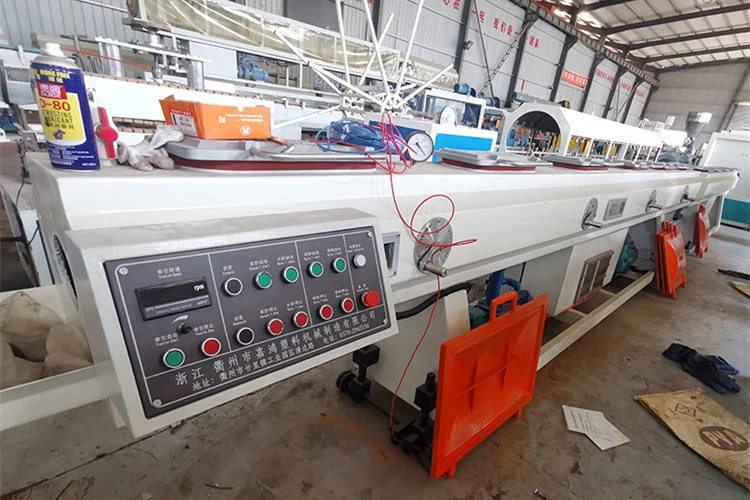
Extruders are used to produce long continuous products such as tubing, tire treads, and wire coverings. They are also used to produce various profiles that can later be cut to length. Multiroll calenders are used to make wide sheeting. If you want to know the specifications and prices of Used Extruder Equipment, please contact us!
Reduces Waste Production
Recycled and reprocessed plastics decrease the amount of plastic that ends up in landfills by increasing the durability of plastic in practical applications. Furthermore, plastic recycling lowers the necessity to generate fresh raw resources by reusing already processed materials. This results in natural resource conservation and lower emissions of greenhouse gasses that trap heat in the atmosphere.
Lowers Production Costs
Using recycled plastic minimizes variable production costs since repurposed resin is significantly cheaper than new material. Furthermore, recent plastic processing technologies can produce plastic with comparable qualities as their virgin equivalent, frequently at a more affordable cost.
Lessens Energy Consumption
Extracting and processing raw materials into useful plastic materials and products requires substantial energy. In contrast, recycling conserves energy since recycled plastics require far less processing to become useful resources.
Eases Demand for Fossil Fuels
Each year, millions of crude oil barrels are used to support the need for plastics. However, several studies found that recycling plastics is the most efficient alternative to reduce the usage of fossil fuels. Consequently, the recycling and reprocessing methods can significantly cut crude oil consumption.
Reduces Environmental Pollution
Greenhouse gases are a major factor in increasing environmental pollution - they are the main force behind climate change, a critical problem that the world is currently attempting to address. To help alleviate pollution, recycling plastic instead of producing it from scratch effectively minimizes the emission of harmful gasses. Moreover, using recycled plastic repro reduces the volume of plastic waste.
Offers Innovative Solutions
Manufacturers use recycled plastic to make appealing and useful products, including textiles, containers, accessories, bags, and car components. The inventiveness that manufacturers can apply to discarded plastic is also limitless and well worth exploring.
Protects Ecosystem and Wildlife
Recycling plastics is one of the most effective means of protecting the natural environment and wildlife. However, plastic deposited in the oceans harms aquatic life because some of it is ingested by marine organisms. The same applies to animals on land, particularly domesticated animals in metropolitan areas.
According to the sources available, countless marine species and creatures perish each year due to their absorption of plastic and water-borne contaminants. This is equally hazardous to humans and animals drinking contaminated water.
Application of Used Extruder Equipment


Pipes and Tubing
Plastic extrusion is widely used in the production of pipes and tubing for applications such as plumbing, irrigation, electrical conduit, drainage systems, and automotive fuel lines. Different types of plastics, including PVC, HDPE, and PEX, can be extruded to create pipes of various sizes and specifications.
Profiles and Channels
Extruded plastic profiles find applications in industries like construction, automotive, furniture, and appliances. These profiles are used for window and door frames, trim, weatherstripping, gaskets, decorative moldings, and structural components.
Packaging Materials: Plastic extrusion is employed in the manufacturing of flexible packaging materials such as plastic films and sheets. These materials can be further processed into bags, pouches, laminates, and shrink wraps used in food packaging, pharmaceuticals, consumer goods, and industrial packaging.
Wire and Cable Insulation
Extrusion is used to produce plastic coatings and insulations for wires and cables. The process allows for precise control of thickness and good uniformity, ensuring electrical insulation and protection for various applications, including power distribution, telecommunications, and automotive wiring.
Filaments and Fibers
Plastic extrusion is used to produce filaments and fibers used in 3D printing, textiles, and reinforcement materials. Materials like PLA, ABS, nylon, and PET can be extruded into fine filaments with precise diameters for additive manufacturing and textile applications.
Sheet and Film Products
Plastic extrusion is employed to manufacture plastic sheets and films used in applications such as packaging, construction, signage, and automotive interiors. These sheets can be further processed into trays, containers, displays, roofing membranes, and automotive dashboards.
How does Extruder Equipment Work
Material Feeding
Raw material enters the extruder through the feed throat, which is located near the rear side of the barrel. The molten thermoplastic then contacts a rotating screw inside the barrel.
Melting and Heating
The screw rotates at a controlled speed, typically up to 120 rpm, pushing the plastic beads forward in the barrel. The barrel is heated to the required melt temperature, which ranges from 200–275°C, depending on the type of polymer that's being extruded. Typically, the barrel has multiple PID-controlled heater zones that gradually increase the temperature from the rear to the front.
Melt Formation
As the plastic beads are forced through the heated barrel, they gradually melt. Temperature controls prevent overheating and polymer degradation. Friction and pressure in the barrel also contribute to the melting process. In some cases, and if the extrusion speed is fast enough, the heaters can be turned off so that the melt temperature is maintained through friction and pressure alone. Cooling fans or cast-in heater jackets are used to regulate temperature and prevent overheating.
Filtration
Molten plastic leaves the screw and passes through a screen pack to remove contaminants. A breaker plate reinforces the screens, as pressures can exceed 34 Mpa. The screen pack and breaker plate assembly also create back pressure in the barrel for proper mixing and uniform melting of the polymer.
Shaping
After passing through the breaker plate, the molten plastic passes through the die, which imparts a specific shape to the final product. The die ensures a uniform flow of molten plastic, transforming it from a standard cylinder to the desired shape of the final product.
Cooling
The product is cooled by pulling it through a water bath or using cooling rolls, depending on the type of extrusion. Plastics have poor thermal conductivity, so controlled cooling is essential. For pipes or tubes, a vacuum is applied to the water bath to prevent their collapse. Plastic sheeting is cooled by passing through a set of cooling rolls.
What Should You Pay Attention To Before Using The Extruder?
Plastics for Extrusion Molding
The raw materials should meet the required drying requirements and further drying if necessary. The raw materials are sieved to remove agglomerates and mechanical impurities.
Check
Check whether the water, electricity and gas systems in the equipment are normal, ensure that the water and gas paths are unblocked, not leaking, whether the electrical system is normal, whether the heating system, temperature control, and various instruments work reliably; Run, observe whether the equipment is running normally; start the vacuum pump of the setting table to observe whether the work is normal; add lubrication to the lubrication parts of various equipment. If the fault is found to be eliminated in time.
Install the Machine Head and Set the Sleeve
According to the variety and size of the product, choose the specifications of the machine head. Install the machine head in the following order.
The machine head should be assembled together and mounted integrally on the extruder.
Before assembling the machine head, wipe off the grease applied during storage, carefully check the surface of the cavity for bruises, scratches, rust spots, perform necessary polishing, and then apply a layer of silicone oil to the surface of the runner.
Assemble the head plates in order, apply high temperature grease to the threads of the bolts, and then tighten the bolts and flanges.
Place the perforated plate between the head flanges to ensure that the perforated plate is compressed without spilling.
Adjust the horizontal position of the die before tightening the fastening bolts of the head and the flange of the extruder. The level of the square head can be adjusted horizontally, and the head of the round head is used as the reference head. The bottom of the mold is leveled.
Tighten the flange bolts tightly, tighten the fastening bolts on the head, install the heating coil and thermocouple, and pay attention to the heating ring to be close to the outer surface of the machine head.
Install the sizing sleeve and adjust it in place, check the main unit, and align the center line of the sizing sleeve with the tractor. After adjustment, tighten the fixing bolts. Connect the water jacket and vacuum tube of the sizing sleeve.
Turn on the heating power supply and heat up the machine head and the machine evenly. At the same time, open the cooling water at the bottom of the hopper and the gearbox and the inlet valve of the exhaust vacuum pump. When the temperature is raised by heating, the temperature of each section is first adjusted to 140 ° C, and the temperature is raised to 140 ° C for 30-40 min, and then the temperature is raised to the temperature at the normal production. When the temperature rises to the temperature required for normal production, keep it for about 10 minutes, so that the temperature of each part of the machine tends to be stable before driving. The length of holding time varies according to the type of extruder and plastic materials. Keep warm for a period of time, so that the temperature inside and outside the machine is the same, so as to prevent the meter from indicating that the temperature has reached the required temperature, but the actual temperature is low. At this time, if the material is put into the extruder, the actual melt temperature is too low, and the material melt viscosity is too large. Causes axial force overload and damages the machine.
Feed the materials used for driving into the hopper for use.
Our Factory


Frequently Asked Questions
Q: How to choose plastic recycling granulator (extruder)?
That is core step of recycling machine choose. Some new customers always have misunderstanding of plastic recycling machines, which can recycle all kinds of plastic. Actually, different kind of plastic have different characteristics and features. Their requested melting temperature and extruding pressure are quite different. The general plastic extruder can recycle and granulate/pelletize our daily plastics. The common ones are polypropylene and polyethylene, such as plastic film, woven bags, convenience bags, basins, barrels, and daily necessities. For some special plastics such as Engineering ABS plastics, PET bottle materials, etc. require a special plastic extruder.
Second, extruder model decides the screw diameter size and recycling capacity. During choosing extruder model, customer can not only pay attention to extruder model, but also concern the machine processing capacity. In most cases, supplier marked capacity stands for output capacity. PURUI plastic recycling group offered extruder includes ML model extruder, SJ model extruder and TSSK model twin screw extruder, which used for plastic film or bag granulating/pelletizing, rigid plastic recycling as well as plastic modification, PET bottle flake, plastic blending and master batch.
Third, customer also need remind supplier with recycled material water content( dirty content) and printed percentage. PURUI offered single screw extruder only can process clean material or washed material within 5% water content. Once the recycled material dirty content is surpass 5% to 8%, customer should choose double stage recycling extruder for material recycling. Regarding printed material, supplier need strengthen vacuum system and filtering system.
Fourth, with having various supplier proposal, users can choose plastic granulators (extruder) with advanced technical parameters and reasonable prices through vertical or horizontal comparison. "Longitudinal" means that the main technical parameters of the plastic granulator (extruder) should meet industry standards and be reviewed according to industry standards. "Horizontal" is a comparison based on the technical parameters of similar plastic granulators (extruder) at local and abroad.
Fifth, according to budget, users circle the potential suppliers. Through discussion machine details with analysis suppliers' design ability, technology mature content, machine operation and after-service, etc.
Sixth, after determined the final suppliers list, customers can go to investigate the corresponding granulator(extruder) manufacturer and the price of the granulator(extruder). Mainly to investigate the scale of the manufacturer, production strength, and the reputation of the customers who use the equipment. Don't be afraid of the long journey. The key to buying equipment is to buy a cost-effective machine with strong technology and after-sales service, so that there is no worries during future using process. If you only buy cheap or nearby equipment, the performance and product quality of the equipment will be unstable and the consumption will be consumed.
Q: How to use the plastic extruder and how to maintain it?
The use of screw extruder includes a series of links, such as machine installation, adjustment, commissioning, operation, maintenance and repair, etc. Its use has the commonness of general machines, mainly manifested in the aspects of driving motor and decelerating and shifting device.But the working system of the screw extruder, which is the extruder system, has its own characteristics, which should be paid special attention to when using the screw extruder.Machine installation, adjustment, commissioning general in extruder are specified in the instruction for use, this approach to the operation of the extruder, maintenance and maintenance of the paper are as follows: first, the operation of the extruder methods: operators must be familiar with the structure characteristics of the extruder, operated by themselves especially must correctly grasp the structural characteristics of the screw, heating and cooling characteristics of control instrument, the nose and assembly, etc., in order to correctly grasp the extrusion processing conditions, the right to operate the machine.The operation method of extruding different plastic products is different, but there are some similarities.
Q: What is extruder and its function?
Q: What is the process of extruder?
Q: What is extruding used for?
Q: What is the difference between extruder and injector?
Q: What part is the extruder?
Q: Is plastic extrusion expensive?
Q: What is the purpose of the extrusion machine?
Q: How does the heating system in a plastic extrusion machine contribute to its efficiency?
Q: Are plastic extrusion machines customizable for different production needs?
Q: What materials can be used in a plastic extrusion machine?
Q: How do I ensure the quality of a used profile extruder machine?
Q: Are there any risks associated with buying a used profile extruder machine?
Q: What is an extruder pump?
Qingdao Confortune Machinery Co., Ltd. is one of the leading used extruder equipment manufacturers and suppliers in China. We warmly welcome you to wholesale cheap used extruder equipment in stock here from our factory. All machines are with high quality and competitive price. Contact us for quotation.
used extruder for seal extrusion, extruder equipment for desk production, used extruder for lamp shade extrusion