

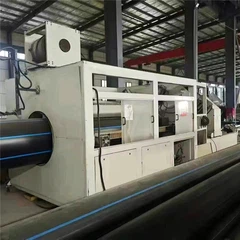
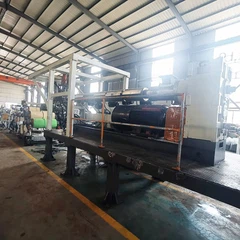
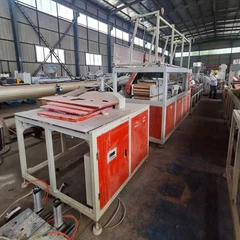
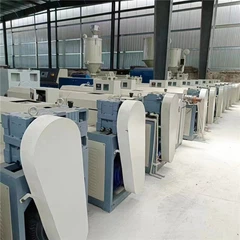

Used Plate Extruder Machine
Why Choose Us
Qingdao Confortune Machinery Co., Ltd. is a professional second-hand profile supplier with 20 years of industry experience. The company has introduced from Europe a number of multi-station processing centers and CNC lathes, CNC milling machines and a large number of advanced high-precision processing equipment. We specialize in producing Second Hand Extruder Machine, Second Hand PVC Extruder Machine, Second Hand Twin Screw Extruder, Used 45mm Single Screw Extruder, Second Hand Plastic Extrusion Machine, Used Extruder Machine, and other Second Hand Extruder.
Wide Product Range
We mainly sell all kinds of plastic different profile production line, all kinds of auxiliary plastic plate, sheet production line, plastic recycling (crushing, washing, granulation) line, centralized feeding system, such as plastic extrusion processing machinery and other products.
Products Sell Well
Our product are exported to Egypt, Pakistan, Poland, India, Turkey, Brazil, Peru, Mexico, Romania and other more than 20 countries and regions. Trusted and praised by customers.
Professional Solution
With rich experience and one-to-one service, we can help you choose products and answer technical questions.
Quick Transportation
We cooperate with professional sea shipping, air and logistics companies to provide you with the best transportation solution.
-
![Used Plate Pvc Extruder Machine]()
-
![PE Pipe Machine]()
-
![Used DWC Pipe Extruder]()
-
![Used Pipe Three Layer Coextrusion Extruder Line]() Used Pipe Three Layer Coextrusion Extruder Lineused Jwell 20-110mm three-layer co-extrusion pipe production lineread more
Used Pipe Three Layer Coextrusion Extruder Lineused Jwell 20-110mm three-layer co-extrusion pipe production lineread more -
![Used Threelayer Coextrusion Extruder Production Line]() Used Threelayer Coextrusion Extruder Production Lineused three-layer co-extrusion jinhu 450-800mm ABAread more
Used Threelayer Coextrusion Extruder Production Lineused three-layer co-extrusion jinhu 450-800mm ABAread more -
![Used Pehdpe Plate Extruder Machine]() Used Pehdpe Plate Extruder Machineused jwell pe/hdpe single layer 450-800 production lineread more
Used Pehdpe Plate Extruder Machineused jwell pe/hdpe single layer 450-800 production lineread more -
![Used Plastic PE Single-layer Pipe Production Line]() Used Plastic PE Single-layer Pipe Production Lineused PE single layer 200mm-500mmpipe production lineread more
Used Plastic PE Single-layer Pipe Production Lineused PE single layer 200mm-500mmpipe production lineread more -
![Used Pe Plastic Extruder Machine]()
-
![Used Plate Pipe Extruder Production Line]() Used Plate Pipe Extruder Production Lineused pvc pipe extruder machine and production lineread more
Used Plate Pipe Extruder Production Lineused pvc pipe extruder machine and production lineread more -
![Used Pvc Sheet Wire]()
-
![Used PE Pipe Wire]()
-
![PP Sheet Plastic Extruder]()


What is Used Plate Extruder Machine
Plate extruder is one of the screw plastic extruders. The working mechanism of screw plastic extruder is to rely on the pressure and shear force generated by screw rotation, so that the materials can be fully plasticized and evenly mixed, and formed through die; Therefore, sometimes one extruder of plate extrusion line can complete a series of processes such as mixing, plasticization and molding at the same time, so as to carry out continuous production. If you want to know the specifications and prices of Used Plate Extruder Machine, please contact us!
High Volume Manufacturing At Low Costs
Plastic extruding machines can manufacture large volumes of products without compromising consistency and quality. The seamless manufacturing of large volumes of products saves on the cost of production.
Versatility
Extrusion machines can combine various types of raw materials that improve product properties. Additives in the extrusion process enhance features such as durability, strength, flexibility, fire resistance, and color matching.
Precision
An extruder machine for plastics can produce profiles of different lengths with high accuracy for short and long forms.
Post Extrusion Alterations
Plastic extruding machines mold plastic extrusions into various shapes. When squeezed through the die, the melted plastic takes a permanent form.
Continuous Production
An extruder machine can quickly and effectively produce shapes of various lengths continuously.
Types of Used Pipe Extruder Machine
Waterproof Sheet Extrusion Line
Waterproof Sheet Extrusion Line is suitable for the production of a variety of materials, including PVC, TPO, PE, and other waterproof coiled materials; Waterproof coiled materials suitable for various product structure forms, including Homogeneous coiled material (code h): waterproof coiled material without inner reinforcement material or backing material.
PP Hollow Sheet Extrusion Line
PP hollow lattice board can be used in turnover box, packing box, and other packaging fields because of its light material, high strength, moisture-proof, good environmental protection performance, and secondary processing performance.
PE Sheet Extrusion Line
PE thick plate production line, namely polyethylene (PE) plate, is widely used in chemical industry, electric power, and other industries. It can also replace the traditional steel plate to pave the road. HDPE board can also be used as engineering plastics in machinery, chemical, and other equipment, and is widely used in the manufacture of ice court wallboard.
PS Sheet Extrusion Line
PP, PS blister sheet, and stationery decorative sheet production line: PP and PS sheets are widely used, and can be directly used for the packaging of food and electronic products after Blister molding; All kinds of transparent, two-color, frosted, and three-dimensional stationery pieces. The multi-layer co-extrusion production line can be customized according to customer requirements, and the output ranges from 100-1200kg/h.
Die Plates
Plastic sheet extrusion die belongs to a molding die, his discharge way is through the extrusion action to achieve. It is a tool used to shape things. This tool is made up of various parts. Different molds are made up of different parts. Mainly through the need to shape the physical state of the material to change the shape of the mold processing.
The Key to Buying Pipe Extrusion Machinery


Capacity and Output
The first factor to consider is the capacity and output of the extruder machine. Determine the desired production volume and speed to ensure that the machine you choose can meet your production demands. Assess the extruder's maximum output capacity in terms of kilograms per hour. Additionally, consider factors such as the type of material to be processed and the product specifications to ensure compatibility with the extruder's capabilities.
Extruder's Type
Extruder machines come in various configurations, such as single-screw, twin-screw, and co-rotating or counter-rotating options. Each configuration offers unique advantages depending on the application. Evaluate the processing requirements of your products and choose a machine configuration that provides the necessary flexibility and performance. Consider factors like versatility, ease of maintenance, and the availability of interchangeable components for future adaptability.
Capacity and Screw Design
The capacity of an extruder machine refers to its ability to process a specific volume of material within a given time frame, typically measured in kilograms per hour (kg/h). The screw design of the extruder plays a crucial role in determining its capacity. The screw is responsible for conveying, melting, and mixing the material through the extrusion process.
Size of Screw and Its Impact on Capacity
The size of the screw is another vital factor to consider when buying an extruder machine, as it directly influences the machine's capacity. The screw size is typically defined by its diameter and length. A larger screw diameter allows for a higher volume of material to be processed per revolution, resulting in increased throughput and capacity. However, it is important to note that a larger screw may also require a corresponding increase in motor power and torque to drive the extrusion process efficiently.
Moreover, the length of the screw affects the residence time of the material within the extruder barrel. A longer screw provides a larger processing area, enabling better mixing, melting, and pressure build-up, which can be advantageous for certain materials or applications. However, it is essential to consider the material characteristics, processing requirements, and L/D ratio in conjunction with the screw length to ensure optimal performance and avoid over-extrusion or excessive residence time.
Finding the right balance between screw diameter, length, and other factors such as the L/D ratio, motor power, and material properties is crucial to achieving the desired capacity for your extrusion process. Consulting with extrusion experts or manufacturers can provide valuable insights into selecting the appropriate screw size that meets your production goals and ensures efficient and consistent output.
The L/D Ratio and Its Importance
The L/D ratio, also known as the Length to Diameter ratio, is a critical parameter that varies based on the material being processed. The L/D ratio determines the degree of melting, mixing, and pressure build-up within the extruder barrel.
Capacity and Motor Power
To accurately calculate the capacity of an extruder, you can perform tests at different RPM settings, like 50, 100, and 140, while keeping an eye on various factors. Start by collecting data on the weight of material that comes out of the extruder in one minute. It's important to repeat these tests three times to get reliable results.
During the tests, pay attention to important parameters like the temperatures in each zones of the extruder, the motor power used (in kW), the pressure inside the barrel, and the materials used in the process.
Motor Driver and Control System
Motor drivers play a crucial role in controlling the speed and torque of the extruder's motor. They provide precise control over the rotational speed of the screw, allowing for adjustments based on the material being processed and the desired output capacity.
Advanced motor driver systems offer features such as speed control, torque control, and closed-loop feedback mechanisms. These features enable the extruder to maintain consistent output and respond to variations in material properties or processing conditions. Additionally, motor drivers with energy-efficient algorithms can optimize power consumption, further enhancing the overall efficiency of the extrusion process.
Extruder Gearbox and Compatibility
The extruder gearbox is responsible for transmitting power from the motor to the screw, converting the motor's high speed to the required screw RPM. It is essential to consider the compatibility between the gearbox, motor, and screw size. The gearbox should be capable of handling the torque requirements and RPM ranges specific to the extruder's intended applications.
Furthermore, the connection type between the gearbox and the motor, as well as the gearbox and the screw, should be taken into account. Proper coupling mechanisms and secure connections ensure efficient power transmission, minimizing energy losses and maximizing the extruder's performance.
Temperature Control System
The temperature control system is a crucial component of an extruder machine, responsible for maintaining precise temperature profiles throughout the extrusion process. It typically involves the use of resistances, often ceramic resistances, to provide the necessary heat for melting and processing the material.
Ceramic resistances are commonly employed in extrusion machines due to their excellent thermal conductivity, durability, and resistance to high temperatures. These resistances are strategically placed along the extruder barrel to create individual heating zones. By controlling the power supplied to each resistance, the temperature in each zone can be accurately adjusted and maintained.
To ensure efficient temperature control, the resistances are synchronized with cooling fans. These cooling elements help dissipate excess heat and prevent overheating of the extruder components. The combination of resistances and cooling systems ensure precise temperature regulation, promoting consistent and high-quality output.
Our Factory


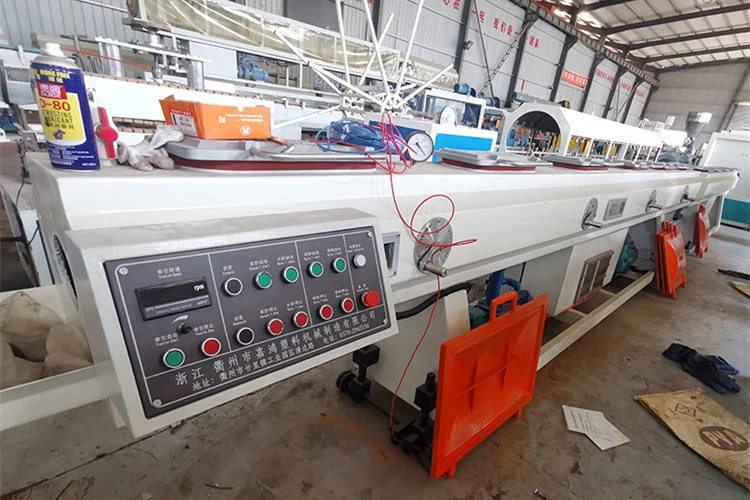
Frequently Asked Questions
Q: What is the processing of extrusion technology?
The amount of time the material spends within the extruder is referred to as the residence period. Due to the impacts of heat and moisture release, as well as force reduction, the texture and quality of extruded food products, such as puffs, change. The texture, as well as the quantity, fluctuates. The rate of change is defined as the expansion ratio. Using blades that revolve at a consistent speed around die holes, the extruded output product from the extruder is cut into the correct length. To preserve their porosity, the products will become hard after freezing and drying. The extruder product creates its own heat and friction as a result of the pressure creation, and cooking happens in the extruder.
Depending on some of the settings and inputs, extrusion technology can cause starch gelatinization and protein denaturation. In a number of food extrusion processes, HTST methods are applied. In the extrusion technology process, the speed of the blade, wetness of the material, extruded composition, rotation speed, length of the screw, barrel temperature, and die/orifice forms are all critical factors. To ensure consistency of yield, these are managed by the depending on the ideal item. The moisture content is one of the primary critical elements in the extrusion technology process, operating on plasticizing the extruded products and determining the mixing viscosity.
Many Extrusion technology procedures necessitate adjusting the moisture level from low to moderate moisture level, which is below 40 percent moisture. Wet extrusion is the technique by which high moisture extrusion occurs; following the advent of twin screw extruders, wet extrusion is generally utilized, which has a gradually competent passing-on ability. The most important rheological element of high starch extruded in wet extrusion is temperature. The salt content of various extruded items determines the color and texture of the extruded.
The next phase is extrusion technology processing, which is the major cooking step in which raw materials are turned into cooked and shaped products. Cutting the extruded goods into acceptable sizes, drying the products to the right moisture, and seasoning or coating the products to offer the proper flavor and taste before they move on to packing are all examples of post-extrusion technology processing procedures. Additional processes may be required in addition to these primary processing steps, depending on the type of product being produced and its intended purpose.
Q: What is the extruder machine used for?
Q: What is an extruder and how does it work?
Q: What is an example of an extrusion machine?
Q: What is the theory of extruder machine?
Q: What is the structure of extruder machine?
Q: How does a plastic extruder machine work?
Q: What products are made by extrusion process?
Q: What are the faults of extruder machine?
Q: What is extrusion process and extruder?
Q: What is the pressure in the extruder machine?
Q: What problems can occur with extruder screws?
Because of working under harsh conditions for a long time, the screw edge is worn and smaller, and the gap with the barrel increases. As a result, the amount of plastic extrusion is reduced. In severe cases, plastic reflow will occur, and the plasticizing effect will be reduced, resulting in a decline in crystal grains and productivity.
Q: What is the process of melt extrusion?
The quality of the extruder directly determines the degree of dispersion of the material. At present, the extruder equipment used in powder coatings is twin screw extruder, single screw extruder and star screw extruder. Although the type and internal structure of the extruder are different, the design intent is the same, that is, to maximize the uniform dispersion of materials.
Q: Are there any risks associated with buying a used profile extruder machine?
Q: Can a used profile extruder machine be customized or upgraded?
Qingdao Confortune Machinery Co., Ltd. is one of the leading used plate extruder machine manufacturers and suppliers in China. We warmly welcome you to wholesale cheap used plate extruder machine in stock here from our factory. All machines are with high quality and competitive price. Contact us for quotation.
pre owned plate extruder for making medical plates, second hand plate extruder for electronics components production, pre owned plate extruder in food industry