

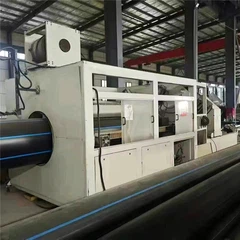
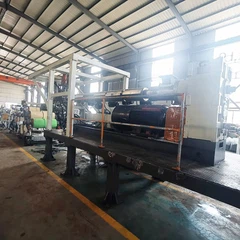
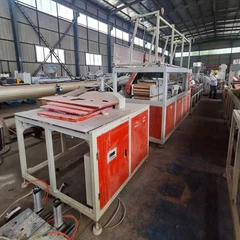
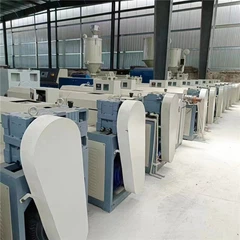

Second Hand Extruder
Why Choose Us
Qingdao Confortune Machinery Co., Ltd. is a professional second-hand profile supplier with 20 years of industry experience. The company has introduced from Europe a number of multi-station processing centers and CNC lathes, CNC milling machines and a large number of advanced high-precision processing equipment. We specialize in producing Second Hand Extruder Machine, Second Hand PVC Extruder Machine, Second Hand Twin Screw Extruder, Used 45mm Single Screw Extruder, Second Hand Plastic Extrusion Machine, Used Extruder Machine, and other Second Hand Extruder.
Wide Product Range
We mainly sell all kinds of plastic different profile production line, all kinds of auxiliary plastic plate, sheet production line, plastic recycling (crushing, washing, granulation) line, centralized feeding system, such as plastic extrusion processing machinery and other products.
Products Sell Well
Our product are exported to Egypt, Pakistan, Poland, India, Turkey, Brazil, Peru, Mexico, Romania and other more than 20 countries and regions. Trusted and praised by customers.
Professional Solution
With rich experience and one-to-one service, we can help you choose products and answer technical questions.
Quick Transportation
We cooperate with professional sea shipping, air and logistics companies to provide you with the best transportation solution.
-
![Old Conical Twin Screw Extruder]()
-
![SJSZ80/156 Twin-screw Extruder]()
-
![Used Double Wall Bellows Production Line]()
-
![Second-hand Twin-screw Granulator]()
-
![Used Conical Twin Screw Extruder]()
-
![Used 65/132 Extruder Machine]()
-
![Used Pet Sheet Line Machine]()
-
![Used 80/156 Extruder]() Used 80/156 Extruder80/156 host, 2020 years of equipment, hot-cutting, with level 2 air deliveryread more
Used 80/156 Extruder80/156 host, 2020 years of equipment, hot-cutting, with level 2 air deliveryread more -
![Old Twin Screw Extruder]() Old Twin Screw ExtruderThe old twin screw design provides a high degree of mixing and kneading action, which enhances the plasticization and homogenization of the raw material.read more
Old Twin Screw ExtruderThe old twin screw design provides a high degree of mixing and kneading action, which enhances the plasticization and homogenization of the raw material.read more -
![Drip Irrigation Belt Coiling Machine]() Drip Irrigation Belt Coiling MachineDrip irrigation belt coiling machine is a new type of plastic irrigation equipment used in farmland and garden irrigation as water-saving, energy-saving, production-increasing and...read more
Drip Irrigation Belt Coiling MachineDrip irrigation belt coiling machine is a new type of plastic irrigation equipment used in farmland and garden irrigation as water-saving, energy-saving, production-increasing and...read more -
![Used Extrusion Machine]() Used Extrusion MachineThis product is used extruder, price advantage, machine motor power, high output. Adopting alloy screw with longer service life, quality with confidence. Used extruder is mainly used to produce...read more
Used Extrusion MachineThis product is used extruder, price advantage, machine motor power, high output. Adopting alloy screw with longer service life, quality with confidence. Used extruder is mainly used to produce...read more -
![Used Single Screw Extruder]() Used Single Screw ExtruderUsed single-screw extruder, the whole line of single-layer pipe three-layer pipe production line configuration of special single-screw extruder, the use of separation type mixing screw, special...read more
Used Single Screw ExtruderUsed single-screw extruder, the whole line of single-layer pipe three-layer pipe production line configuration of special single-screw extruder, the use of separation type mixing screw, special...read more


What is Second Hand Extruder
Extruders are used to produce long continuous products such as tubing, tire treads, and wire coverings. They are also used to produce various profiles that can later be cut to length. Multiroll calenders are used to make wide sheeting. If you want to know the specifications and prices of Second Hand Extruder, please contact us!
Advantage of Second Hand Extruder
Versatility
Plastic extrusions can be produced in a wide range of shapes and sizes, allowing for a high degree of customization to meet specific project requirements. They can also be made in a variety of colors and finishes, providing an aesthetic appeal.
Cost-Effective
Plastic extrusions are generally less expensive than other materials, such as metal or wood. They require less processing and labor, resulting in lower production costs.
Lightweight
Plastic extrusions are typically lightweight, making them easy to handle, transport, and install. This can save on transportation costs and installation time.
Durable
Plastic extrusions are resistant to corrosion, moisture, and chemicals, making them ideal for use in harsh environments. They are also less susceptible to damage from impact, reducing the need for frequent repairs or replacements.
Energy-Efficient
Plastic extrusions have good insulating properties, making them effective for use in energy-efficient building designs. They can also be made with recycled materials, reducing their environmental impact.
Easy to Fabricate
Plastic extrusions are easy to cut, drill, and shape, allowing for efficient fabrication and installation. They can also be joined together using a variety of methods, including welding, adhesive bonding, and mechanical fasteners.
Types of Second Hand Extruder
Single Screw Extruder
As the name suggests, a single-screw extruder is a simple device with only one rotating screw in the barrel. Typically, single-screw extruders are ideal for situations where simple profiles, such as pipe and sheet, are required. While single screw machines work well, they are a bit slow, don't mix well, and may not be the best choice for any complex shapes.
The single screw extruder is the basic model and works by feeding plastic material (granules, flakes, or powder) from a hopper into the extruder barrel. The material is gradually melted by a single screw and an agitated mixture produced by heaters designed along the feed tube. The molten plastic polymer is then extruded from the die to produce the plastic polymer in the desired finished appearance shape.
Co-Rotating Twin Screw Extruder
As the name suggests, a twin-screw extruder has parallel screws in the barrel. Depending on the application, the twin screws can rotate in the same or different directions. Due to their design, twin-screw extruders offer higher stability, exhaust performance, speed and mixing performance.
The plasticizing capacity of the twin-screw extruder is better and faster. Granular material stays in the extruder longer than a single-screw extruder, slowing down production time. So that plastics, additives, and fillers can be fully and evenly dispersed, stirred, compressed, and kneaded, and higher quality composite materials can be obtained.
Counter-Rotating Twin Screw Extruder
Counter-rotating twin-screw extruders generally use two screws of the same size but opposite screw directions. To strengthen the mixing effect, the screw adopts the structure of different thread head numbers, variable pitches, and mixing chambers. Compared with the co-rotating twin-screw extruder, the shearing is softer, the conveying capacity is strong, and the decompression capacity is strong.
How does the Extruder Work?
Extrusion involves the use of compression in the metal-forming process. Under the process, pressure is created, causing a force to be applied to a piece of metal. Following is a process summary to guide you through
Preparation of Feed Metal
The billet or ingot is the feed metal used as a raw material in the extrusion process. However, the feed metal must adhere to the designers' specifications. It usually has a circular or square profile but can also have other shapes. The feed metal is produced using hot rolling or continuous casting techniques.
Preparation for Extrusion
The standard raw material is then placed in extrusion equipment, such as a press, and heated to the temperature recommended for the hot extrusion method. Because cold extrusion occurs at room temperature, no preheating is required.


Metal Extrusion
The extrusion process is now carried out by applying a compressive force to the material, which pushes it toward the die. There is a small opening in the die. The pressure is released when this process is finished, and the product proceeds to the next step.
Heat Treatment and Post-Processing
Heat treatment is now applied to enhance the product's qualities and prepare it for its intended use. Different metals require different heat treatment procedures. In the case of aluminium, for instance, it first cools the extruded portion before stretching and cutting it to the required lengths. The pieces are then heated to 350 degrees Fahrenheit and left to cool for four hours when they undergo an ageing process to become hardened.
Quality and Reliability
Reliability is paramount when it comes to purchasing an extruder machine. Look for reputable manufacturers known for their high-quality equipment and reliable performance. Thoroughly research the manufacturer's reputation, customer reviews, and industry certifications. A reliable extruder machine will ensure consistent production output, minimize downtime, and ultimately maximize your return on investment.
The importance of high-quality parts and reliable brands in extruder machines cannot be overstated. By choosing reputable manufacturers and investing in quality equipment, you can expect consistent performance, minimized downtime, and increased overall efficiency. This ensures a smooth and successful extrusion process, maximizing your productivity and return on investment.
Energy Efficiency
Energy consumption plays a significant role in the operating costs of an extruder machine. Opt for energy-efficient models that are designed to reduce power consumption without compromising productivity. Look for features such as advanced control systems, efficient heating and cooling mechanisms, and optimized motor drives. Investing in an energy-efficient extruder not only benefits the environment but also results in cost savings over the machine's lifespan.
To gain insight into the energy efficiency of an extruder, one of the simplest ways is to inquire with the manufacturer about their screw design and the approximate power required for each kilogram of material processed. By asking this question, you can better understand how efficiently the extruder utilizes energy during operation.
Maintenance and Support
Consider the availability of maintenance services and technical support from the manufacturer or supplier. Adequate support ensures timely assistance in case of issues, minimizing production downtime. Additionally, inquire about the availability of spare parts and their cost. A reliable supply of spare parts is essential for the long-term maintenance and smooth operation of the extruder machine.
Cost and Return on Investment (ROI)
While cost is a significant factor, it should not be the sole determinant in your decision-making process. Analyze the long-term return on investment (ROI) rather than focusing solely on the initial purchase price. Consider factors such as energy savings, increased productivity, reliability, and the machine's expected lifespan. A higher-quality, more efficient machine may have a higher upfront cost but can yield substantial savings and improved productivity in the long run.
Temperature Control System
The temperature control system is a crucial component of an extruder machine, responsible for maintaining precise temperature profiles throughout the extrusion process. It typically involves the use of resistances, often ceramic resistances, to provide the necessary heat for melting and processing the material.
Ceramic resistances are commonly employed in extrusion machines due to their excellent thermal conductivity, durability, and resistance to high temperatures. These resistances are strategically placed along the extruder barrel to create individual heating zones. By controlling the power supplied to each resistance, the temperature in each zone can be accurately adjusted and maintained.
To ensure efficient temperature control, the resistances are synchronized with cooling fans. These cooling elements help dissipate excess heat and prevent overheating of the extruder components. The combination of resistances and cooling systems ensure precise temperature regulation, promoting consistent and high-quality output.
Controlling the temperature control system is typically done through industrial PCs or programmable logic controllers (PLCs). These systems employ PID (Proportional-Integral-Derivative) programming algorithms for accurate temperature control. The PID programming continuously monitors the temperature in each zone using thermocouples, and based on the feedback, it adjusts the power supplied to the resistances to maintain the desired temperature setpoints.
Industrial PCs or PLCs provide a user-friendly interface for operators to monitor and adjust temperature settings. They offer flexibility, allowing for customization of temperature profiles, saving of preset recipes, and real-time monitoring of temperature trends. With advanced visualization and control capabilities, these systems enhance the efficiency and precision of the extrusion process.
Our Factory


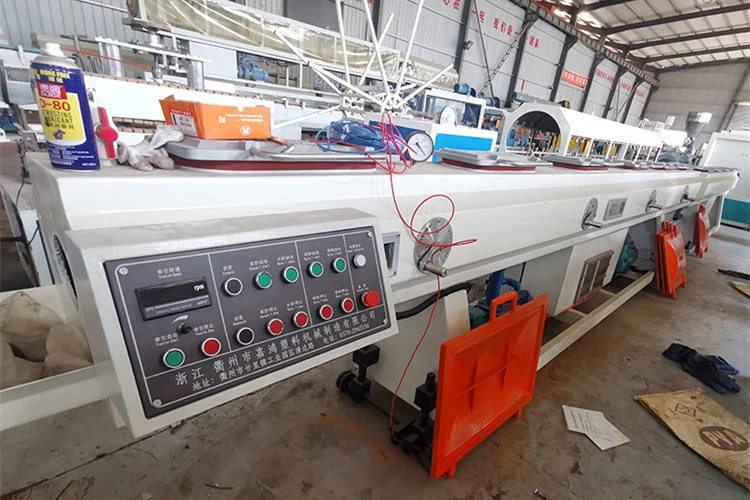
Frequently Asked Questions
Q: What should we look for when choosing a Extrusion Machine?
The reason PVC piping requires a Double or Twin Screw Extruder is to ensure that the PVC powder is properly mixed. Since PVC powder is a rough material a second screw is required to mix it without damaging the extruder. On the other hand, for PE pipe production a Single Screw Extruder is up to task.
Ease of Use & Integration: A plastics extruder machine most often operates as part of a series of downstream connected machines. Therefore, the integration options offered by an extruder are of critical importance to the extruder operation, as part of your production line.
DRTS offers a variety of features that make every extruder machine easy to integrate and operate such as industry 4.0 connectivity, allowing you to control your entire line from your extruders HMI. DRTS specializes in manufacturing high quality connected extruders and can help in upgrading or refurbishing your existing extruder.
High Quality Construction, Components & Parts: A very important thing to look for when selecting a plastics extruder machine, is whether it uses quality components from industry leading manufacturers such as; Siemens, Omron, and ABB. This is always a plus over locally sourced, no-name brand or outdated components.Using quality components ensures that spare parts are available allowing for easy servicing and guaranteed high performance.
Q: What is an extruder in manufacturing?
And "Extrusion" means that the material passes through the action between the extruder barrel and the screw while being heated and plasticized, it is pushed forward by the screw, and continuously passes through the tooling or die to make a processing method for various cross-section products or semi-products.
Q: How to choose the extruder?
Identify the manufacturer. There are many manufacturers producing extruders, which causes some confusion for customers who want to buy extruders. Which one is better? The most important thing for customers is to identify powerful manufacturers.
Look at the factory. Before buying the extruder, it is best to visit the factory in person. Powerful manufacturers, the scale of the factory is relatively formal, the factory area is relatively large, and the factory is fully equipped.
Listen to word of mouth. The manufacturer can be allowed to provide several customers who buy equipment. Contact them yourself and ask how the plant's equipment is. The best experience is what other customers have used.
Compare prices. When purchasing machinery and equipment, it should not be purely based on low price, but should be combined with quality. Remember not to covet cheap equipment.
Have the instruction manual of the extruder and whether there is follow-up after-sales service, maintenance of the extruder, etc.
Q: Why Choose Plastic Extrusion Technologies?
Heating: The temperature of the barrel in the extruding machine is critical to a finished product because it ensures finished products do not deteriorate easily from their specific application. An experienced individual is required for this process because each plastic material needs to be melted at a given temperature and the slightest temperature difference can cause a flawed product.
Uneven Flow: The construction of each die must be done with incredible precision or this will cause the finished product to form unevenly. This unevenness creates hazardous stress point and can cause the plastic to warp during the cooling process both of which produce an unsafe and undesirable final product.
Cooling: After the initial profile is created, tubing extrusions are cooled in a vacuum controlled water bath. If done incorrectly, the tube could easily collapse right then or worse soon after being implemented for a certain application.
Q: What is the important components of an extruder?
Feed Throat - The feed throat or feed opening is the area that accepts the plastic pellets to be heated. The size of the opening and the location of the feed throat on the barrel can affect the types of plastic that can be fed into the extruder.
Motor - The motor size and whether it is AC or DC will affect the potential output of the machine as well as the control drive system
Gearbox - This is a series of cogs use to reduce the speed of the screw from the speed of the motor.
Controls - Extruders are simple machines, but their control systems can be either simple or complex. Many times the entire line can be run from the one control panel.
Screw - Screws can either be product specific or general purpose. The screw is responsible for the heating the plastic through frictional heat.
Barrel - The barrel houses the screw and is what the screw pushes against for the frictional heat.
Heater Bands - Contrary to what many people think, the heater bands are used to heat the barrel an screw during start up and to help regulate temperature during processing. The frictional heat is what causes the plastic to melt.
Vent - Certain products can build up gas during the heating process. The vent is used as a way to allow these gases to escape.
Q: What is the theory of extruder machine?
Q: What is the structure of extruder machine?
Q: How does a plastic extruder machine work?
Q: What products are made by extrusion process?
Q: What are the faults of extruder machine?
Q: What is extrusion process and extruder?
Q: What is the pressure in the extruder machine?
Q: What problems can occur with extruder screws?
Because of working under harsh conditions for a long time, the screw edge is worn and smaller, and the gap with the barrel increases. As a result, the amount of plastic extrusion is reduced. In severe cases, plastic reflow will occur, and the plasticizing effect will be reduced, resulting in a decline in crystal grains and productivity.
Q: What is the principle of extruder machine?
Q: What kind of process is extrusion?
Q: What is an extruder pump?
Qingdao Confortune Machinery Co., Ltd. is one of the leading second hand extruder manufacturers and suppliers in China. We warmly welcome you to wholesale cheap second hand extruder in stock here from our factory. All machines are with high quality and competitive price. Contact us for quotation.
Used Extruder Equipment, Second Hand Twin Screw Extruder, Drip Irrigation Belt Coiling Machine