


Adjusting the mixing parameters of a second - hand PE mixer is a crucial process that can significantly impact the quality of the final product. As a supplier of Second Hand PE Mixer, I have witnessed firsthand the importance of proper parameter adjustment. In this blog, I will share some insights on how to adjust these parameters effectively.
Understanding the Basics of a PE Mixer
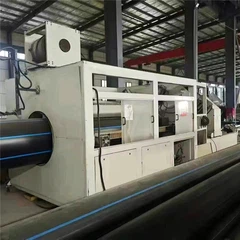
Before delving into parameter adjustment, it's essential to understand the basic components and functions of a PE mixer. A PE mixer is designed to blend polyethylene (PE) materials with additives, pigments, or other polymers to achieve a homogeneous mixture. The mixer typically consists of a mixing chamber, agitators, heating elements, and a control system.
The mixing chamber is where the actual blending takes place. Agitators, such as paddles or blades, are used to stir the materials and ensure thorough mixing. Heating elements are used to melt the PE materials and facilitate the mixing process. The control system allows operators to adjust various parameters, such as temperature, speed, and mixing time.
Factors Affecting Mixing Parameters
Several factors can influence the mixing parameters of a second - hand PE mixer. These include the type of PE material, the desired properties of the final product, the size and shape of the mixing chamber, and the condition of the mixer itself.
Type of PE Material
Different types of PE materials have different melting points, viscosities, and flow properties. For example, high - density polyethylene (HDPE) has a higher melting point and viscosity than low - density polyethylene (LDPE). Therefore, the mixing parameters for HDPE may need to be adjusted differently from those for LDPE.
Desired Properties of the Final Product
The properties of the final product, such as strength, flexibility, and color, can also affect the mixing parameters. If a product requires high strength, more additives or a longer mixing time may be needed. If a specific color is desired, the amount and type of pigments need to be carefully controlled.
Size and Shape of the Mixing Chamber
The size and shape of the mixing chamber can impact the mixing efficiency. A larger mixing chamber may require a longer mixing time to ensure thorough mixing. The shape of the chamber can also affect the flow pattern of the materials, which in turn affects the mixing quality.


Condition of the Mixer
Since it is a second - hand PE mixer, its condition is an important factor. Worn - out agitators, heating elements, or seals can affect the mixing performance. It is necessary to conduct a thorough inspection of the mixer before adjusting the parameters and replace any damaged parts if necessary.
Step - by - Step Guide to Adjusting Mixing Parameters
1. Inspection and Preparation
- Physical Inspection: Before starting the mixer, visually inspect all components, including the mixing chamber, agitators, heating elements, and control system. Check for any signs of damage, wear, or leakage.
- Cleaning: Clean the mixing chamber thoroughly to remove any残留 materials from previous batches. This can prevent cross - contamination and ensure the quality of the new mixture.
- Calibration: Calibrate the temperature sensors, speed controllers, and timers to ensure accurate parameter settings.
2. Setting the Temperature
- Determine the Melting Point: Refer to the technical data sheet of the PE material to determine its melting point. The temperature of the mixer should be set slightly above the melting point to ensure proper melting and mixing.
- Gradual Heating: Start the heating process gradually to avoid overheating and thermal degradation of the materials. Monitor the temperature closely using the temperature sensors and adjust the heating rate if necessary.
- Maintain a Stable Temperature: Once the desired temperature is reached, maintain it throughout the mixing process. Fluctuations in temperature can affect the viscosity and flow properties of the materials, leading to uneven mixing.
3. Adjusting the Agitator Speed
- Initial Speed Setting: Start with a low agitator speed to prevent excessive splashing and ensure that the materials are evenly distributed in the mixing chamber.
- Gradual Increase: Gradually increase the agitator speed as the materials start to melt and become more fluid. The optimal speed depends on the type of PE material, the size of the mixing chamber, and the desired mixing intensity.
- Monitor the Mixing Process: Observe the mixing process visually or using sensors to ensure that the materials are being mixed effectively. If the mixture appears to be too lumpy or uneven, adjust the speed accordingly.
4. Setting the Mixing Time
- Estimate the Mixing Time: Based on the type of PE material, the amount of additives, and the desired properties of the final product, estimate the appropriate mixing time. This can be determined through trial - and - error or by referring to industry standards.
- Start the Timer: Once the mixer reaches the desired temperature and speed, start the timer. Do not interrupt the mixing process until the specified time has elapsed.
- Check the Mixture: After the mixing time is up, stop the mixer and check the mixture. The mixture should be homogeneous, with no visible lumps or streaks. If necessary, extend the mixing time or adjust other parameters.
Troubleshooting Common Issues
During the process of adjusting the mixing parameters, some common issues may arise. Here are some solutions to these problems:
Uneven Mixing
- Check the Agitator: Ensure that the agitators are properly installed and functioning correctly. Worn - out or damaged agitators may not be able to mix the materials effectively.
- Adjust the Speed and Time: Increase the agitator speed or extend the mixing time to improve the mixing quality.
- Check the Material Distribution: Make sure that the materials are evenly distributed in the mixing chamber before starting the mixer.
Overheating
- Reduce the Heating Rate: If the temperature is rising too quickly, reduce the heating rate.
- Check the Temperature Sensors: Ensure that the temperature sensors are working accurately. Faulty sensors may give incorrect temperature readings, leading to overheating.
- Improve the Cooling System: If the mixer has a cooling system, make sure it is functioning properly to prevent overheating.
Excessive Wear and Tear
- Regular Maintenance: Conduct regular maintenance on the mixer, including lubrication, inspection, and replacement of worn - out parts.
- Use High - Quality Materials: Use high - quality PE materials and additives to reduce the wear and tear on the mixer.
- Adjust the Parameters Properly: Avoid setting the parameters too aggressively, as this can cause excessive stress on the mixer components.
Conclusion
Adjusting the mixing parameters of a second - hand PE mixer is a complex but essential process. By understanding the factors that affect the mixing parameters, following a step - by - step guide, and troubleshooting common issues, operators can ensure that the mixer produces high - quality mixtures consistently.
As a supplier of Second Hand PE Mixer and Second Hand High and Lower Mixer, we are committed to providing our customers with high - quality equipment and professional technical support. If you are interested in our products or need further assistance in adjusting the mixing parameters of your second - hand PE mixer, please feel free to contact us for procurement negotiation. We also offer related products like Used PVC Pelletizing Production Line to meet your diverse needs.
References
- "Plastics Mixing Technology" by John Doe
- "Handbook of Polyethylene" by Jane Smith
- Industry standards and guidelines for PE mixing processes.