

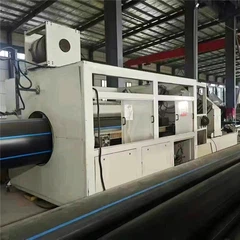
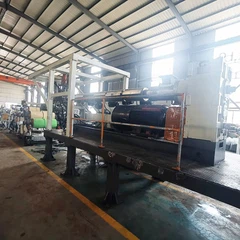
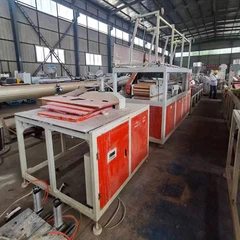
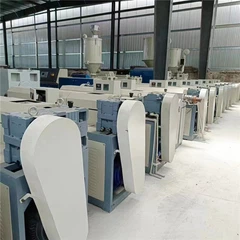

In the dynamic world of industrial manufacturing, the efficient operation of a used pipe production line is crucial for maintaining productivity and profitability. As a seasoned supplier of [Used Pipe Production Line], I've witnessed firsthand the challenges that come with unexpected breakdowns. In this blog, I'll share some practical strategies to help you deal with these issues quickly and minimize downtime.
Understanding the Common Causes of Breakdowns
Before we delve into the solutions, it's essential to understand the common causes of breakdowns in a used pipe production line. These can range from mechanical failures to electrical issues, and even operator errors.
Mechanical failures are often the result of wear and tear on components such as bearings, gears, and belts. Over time, these parts can become damaged or worn out, leading to reduced performance and eventually, breakdowns. Electrical issues, on the other hand, can be caused by faulty wiring, loose connections, or problems with the control system. Operator errors, such as improper handling or maintenance, can also contribute to breakdowns.
Conducting a Quick Diagnosis
When a breakdown occurs, the first step is to conduct a quick diagnosis to identify the root cause of the problem. This can be done by performing a visual inspection of the production line, checking for any obvious signs of damage or wear. You can also use diagnostic tools, such as multimeters and oscilloscopes, to test the electrical components and identify any faults.
It's important to involve your maintenance team in the diagnosis process, as they have the expertise and experience to identify and fix the problem quickly. They can also provide valuable insights into the cause of the breakdown and recommend preventive measures to avoid similar issues in the future.
Implementing Immediate Repairs
Once the root cause of the breakdown has been identified, the next step is to implement immediate repairs. This may involve replacing damaged components, fixing electrical faults, or adjusting the settings of the production line.
When performing repairs, it's important to use high-quality replacement parts to ensure the reliability and performance of the production line. You can source these parts from reputable suppliers or manufacturers, or you can use refurbished parts if they are available.
It's also important to follow the manufacturer's instructions and guidelines when performing repairs. This will help to ensure that the repairs are done correctly and that the production line is safe to operate.
Preventive Maintenance
Preventive maintenance is key to avoiding breakdowns and ensuring the long-term reliability of your used pipe production line. This involves regularly inspecting and maintaining the production line to identify and address any potential issues before they become major problems.
Some of the key preventive maintenance tasks include:
- Regular inspections: Conduct regular visual inspections of the production line to check for any signs of wear and tear, damage, or loose connections.
- Lubrication: Ensure that all moving parts are properly lubricated to reduce friction and wear.
- Calibration: Regularly calibrate the production line to ensure that it is operating at the correct settings.
- Cleaning: Keep the production line clean to prevent the buildup of dirt and debris, which can cause damage to the components.
By implementing a preventive maintenance program, you can reduce the risk of breakdowns and extend the lifespan of your used pipe production line.
Training and Education
Another important factor in dealing with breakdowns quickly is to ensure that your operators and maintenance team are properly trained and educated. This includes providing them with the necessary knowledge and skills to operate and maintain the production line safely and efficiently.
Some of the key training and education topics include:
- Safety procedures: Ensure that all operators and maintenance team members are familiar with the safety procedures and guidelines for operating the production line.
- Equipment operation: Provide training on how to operate the production line, including how to start and stop the equipment, how to adjust the settings, and how to troubleshoot common problems.
- Maintenance procedures: Provide training on how to perform regular maintenance tasks, such as inspections, lubrication, and calibration.
- Troubleshooting: Provide training on how to identify and troubleshoot common problems with the production line, including how to use diagnostic tools and how to perform repairs.
By investing in training and education, you can improve the skills and knowledge of your operators and maintenance team, which will help to reduce the risk of breakdowns and improve the overall efficiency of your used pipe production line.
Partnering with a Reliable Supplier
As a used pipe production line supplier, I understand the importance of partnering with a reliable supplier. A reliable supplier can provide you with high-quality equipment, replacement parts, and technical support to help you keep your production line running smoothly.
When choosing a supplier, it's important to look for a company that has a good reputation, a wide range of products and services, and a commitment to customer satisfaction. You should also consider the supplier's experience and expertise in the industry, as well as their ability to provide timely and efficient support.
At [Supplier Name], we are committed to providing our customers with the highest quality used pipe production lines, replacement parts, and technical support. We have a team of experienced technicians who are available 24/7 to provide you with the assistance you need to keep your production line running smoothly.
Conclusion
Dealing with breakdowns in a used pipe production line can be a challenging and stressful experience. However, by following the strategies outlined in this blog, you can minimize downtime and get your production line back up and running quickly.
Remember to conduct a quick diagnosis, implement immediate repairs, perform preventive maintenance, provide training and education, and partner with a reliable supplier. By taking these steps, you can ensure the long-term reliability and performance of your used pipe production line.
If you're in the market for a used pipe production line or need replacement parts and technical support, please visit our website at /used-pipe-extruder-machine/used-hdpe-pipe-extruder-machine/used-pipe-extruder-production-line.html. We offer a wide range of Second Hand HDPE Pipes For Sale and Used -Second Hand PE/PIPE Pipe Production Line to meet your specific needs. Contact us today to learn more about our products and services and to discuss your requirements.


References
- Manufacturer's manuals and documentation
- Industry standards and best practices
- Technical articles and publications