

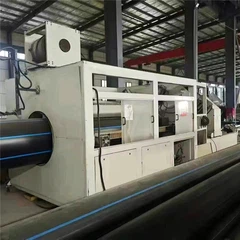
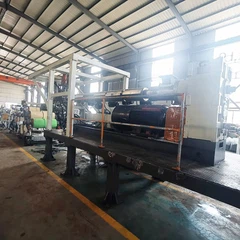
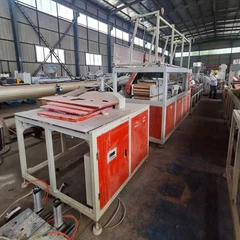
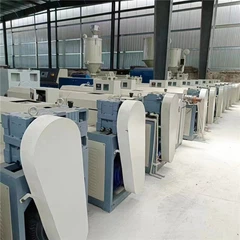

As a seasoned supplier of used pipe extruders, I've witnessed firsthand the challenges that corrosion poses to these valuable machines. Corrosion not only compromises the structural integrity of the extruder but also affects the quality of the pipes produced. In this blog post, I'll share some practical tips on how to prevent corrosion in a used pipe extruder, ensuring its longevity and optimal performance.
Understanding the Causes of Corrosion in Pipe Extruders
Before delving into prevention strategies, it's essential to understand the factors that contribute to corrosion in pipe extruders. Corrosion is a natural process that occurs when metals react with their environment. In the context of pipe extruders, several factors can accelerate this process:
- Moisture: Water is one of the primary catalysts for corrosion. In a manufacturing environment, moisture can accumulate due to humidity, leaks, or improper cleaning. When metal surfaces come into contact with water, they can oxidize, leading to the formation of rust.
- Chemicals: Pipe extruders often come into contact with various chemicals, such as lubricants, cleaning agents, and additives. Some of these chemicals can be corrosive, especially if they are not properly formulated or if they are used in excessive amounts.
- Temperature: High temperatures can accelerate the corrosion process by increasing the rate of chemical reactions. In addition, thermal cycling (repeated heating and cooling) can cause stress on the metal surfaces, making them more susceptible to corrosion.
- Abrasion: Friction and wear can damage the protective coating on metal surfaces, exposing them to the environment and increasing the risk of corrosion. This is particularly common in areas where moving parts come into contact with each other.
Prevention Strategies for Corrosion in Used Pipe Extruders
Now that we understand the causes of corrosion, let's explore some effective prevention strategies that can help keep your used pipe extruder in top condition:
1. Regular Cleaning and Maintenance
One of the most important steps in preventing corrosion is to keep the pipe extruder clean and well-maintained. Regular cleaning helps remove dirt, debris, and chemicals that can contribute to corrosion. Here are some tips for cleaning your pipe extruder:


- Use the Right Cleaning Agents: Choose cleaning agents that are specifically designed for use on metal surfaces and that are compatible with the materials used in your pipe extruder. Avoid using abrasive cleaners or chemicals that can damage the protective coating on the metal.
- Follow the Manufacturer's Instructions: Always follow the manufacturer's instructions for cleaning and maintenance. This will ensure that you are using the correct procedures and products and that you are not causing any damage to the machine.
- Inspect the Machine Regularly: Conduct regular inspections of the pipe extruder to identify any signs of corrosion or damage. Look for rust, discoloration, or pitting on the metal surfaces, as well as any loose or damaged parts.
- Clean the Extruder After Each Use: After each use, clean the extruder thoroughly to remove any residual materials or chemicals. This will help prevent the buildup of contaminants that can lead to corrosion.
2. Proper Lubrication
Lubrication is essential for reducing friction and wear in the moving parts of the pipe extruder. It also helps protect the metal surfaces from corrosion by creating a barrier between the metal and the environment. Here are some tips for proper lubrication:
- Use the Right Lubricants: Choose lubricants that are specifically designed for use in pipe extruders and that are compatible with the materials used in the machine. Make sure to use the correct type and amount of lubricant as recommended by the manufacturer.
- Apply Lubricant Regularly: Follow the manufacturer's recommendations for lubrication intervals and apply the lubricant to the appropriate parts of the machine. This will help ensure that the moving parts are properly lubricated and that the metal surfaces are protected from corrosion.
- Check the Lubricant Levels: Regularly check the lubricant levels in the machine to ensure that they are within the recommended range. If the lubricant levels are low, add the appropriate amount of lubricant as needed.
- Change the Lubricant Regularly: Over time, the lubricant can become contaminated with dirt, debris, and chemicals, which can reduce its effectiveness and increase the risk of corrosion. Change the lubricant at regular intervals as recommended by the manufacturer.
3. Protective Coatings
Applying a protective coating to the metal surfaces of the pipe extruder can help prevent corrosion by creating a barrier between the metal and the environment. There are several types of protective coatings available, including paints, powders, and plating. Here are some tips for choosing and applying a protective coating:
- Choose the Right Coating: Select a coating that is specifically designed for use on metal surfaces and that is compatible with the materials used in your pipe extruder. Consider factors such as the environment in which the machine will be used, the type of corrosion protection required, and the durability of the coating.
- Prepare the Surface Properly: Before applying the coating, prepare the surface of the metal by cleaning it thoroughly and removing any rust, dirt, or debris. This will ensure that the coating adheres properly to the metal surface and provides effective corrosion protection.
- Apply the Coating Correctly: Follow the manufacturer's instructions for applying the coating. This will ensure that you are using the correct procedures and products and that you are applying the coating evenly and at the correct thickness.
- Inspect the Coating Regularly: Conduct regular inspections of the protective coating to ensure that it is still intact and providing effective corrosion protection. Look for any signs of damage or wear, such as peeling, cracking, or chipping, and repair or replace the coating as needed.
4. Control the Environment
The environment in which the pipe extruder is used can have a significant impact on its susceptibility to corrosion. By controlling the environment, you can reduce the risk of corrosion and extend the lifespan of the machine. Here are some tips for controlling the environment:
- Keep the Area Dry: Moisture is one of the primary causes of corrosion, so it's important to keep the area around the pipe extruder dry. Use dehumidifiers or ventilation systems to reduce humidity levels and prevent the accumulation of moisture on the metal surfaces.
- Avoid Exposure to Chemicals: Minimize the exposure of the pipe extruder to chemicals that can be corrosive. If the machine needs to be cleaned or maintained using chemicals, make sure to use the appropriate protective equipment and follow the manufacturer's instructions.
- Control the Temperature: High temperatures can accelerate the corrosion process, so it's important to control the temperature in the area where the pipe extruder is located. Use air conditioning or ventilation systems to keep the temperature within a reasonable range and to prevent thermal cycling.
- Protect the Machine from Abrasion: Friction and wear can damage the protective coating on the metal surfaces, increasing the risk of corrosion. Use protective covers or guards to prevent the machine from coming into contact with abrasive materials or objects.
Conclusion
Preventing corrosion in a used pipe extruder is essential for ensuring its longevity and optimal performance. By following the strategies outlined in this blog post, you can reduce the risk of corrosion and extend the lifespan of your machine. Remember to regularly clean and maintain the extruder, use the right lubricants and protective coatings, and control the environment in which the machine is used.
If you're in the market for a used pipe extruder, we offer a wide range of high-quality Used PE Single-layer Production Line, Second-hand PE Pipe Extruder Production Line, and Used HDPE Pipe Productionline. Our machines are thoroughly inspected and refurbished to ensure they meet the highest standards of quality and performance. Contact us today to learn more about our products and to discuss your specific needs.
References
- ASM Handbook Volume 13A: Corrosion: Fundamentals, Testing, and Protection. ASM International, 2003.
- Corrosion Control for Industrial Equipment. NACE International, 2007.
- Pipe Extrusion Technology. Hanser Publications, 2003.