


Hey there! As a supplier of Used PVC Mixers, I've seen firsthand how crucial it is to train operators properly. A well - trained operator can not only ensure the smooth operation of the mixer but also extend its service life and improve the quality of the final product. So, let's dive into how to train operators to use a Used PVC Mixer.
Pre - training Preparation
Before we start the actual training, there are a few things we need to take care of. First off, we should provide the operators with some basic information about the Used PVC Mixer. This includes its model, technical specifications, and a brief history of its previous use if available. It helps the operators understand what they're dealing with and what to expect.
We also need to set up a training area. Make sure the area is clean, well - lit, and has all the necessary safety equipment. Since we're dealing with a used machine, it's essential to have it thoroughly inspected and maintained before the training. This way, we can avoid any unexpected breakdowns during the training process.
Familiarizing with the Machine
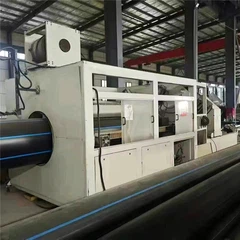
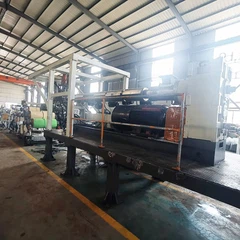
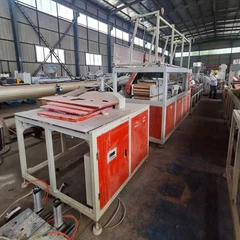
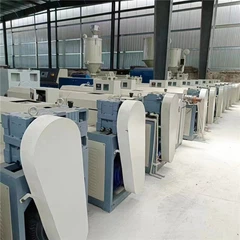
The first step in training is to get the operators familiar with the physical structure of the Used PVC Mixer. Walk them around the machine and point out all the major components. Explain what each part does and how it contributes to the overall mixing process.


For example, show them the mixing chamber, where the PVC materials are combined. Let them see how the blades are designed to rotate and blend the materials evenly. Also, introduce the control panel. This is the operator's interface with the machine, and they need to know what each button and switch does.
Safety Training
Safety should always be our top priority. Provide a comprehensive safety training session to the operators. Teach them about the potential hazards associated with using a PVC mixer, such as moving parts, electrical risks, and exposure to PVC dust.
Demonstrate how to use personal protective equipment (PPE) correctly. This includes safety goggles, gloves, and dust masks. Make sure they understand the importance of wearing PPE at all times when operating the machine.
Also, go over the emergency stop procedures. Show them where the emergency stop button is located and how to use it in case of an emergency. Conduct some mock emergency drills to ensure they can react quickly and appropriately.
Operating Procedures
Once the operators are familiar with the machine and understand the safety protocols, it's time to teach them the operating procedures. Start with the startup process. Explain how to power on the machine, check the initial settings, and prepare the materials for mixing.
When it comes to loading the materials, show them the correct way to measure and add the PVC resin, additives, and other ingredients. Emphasize the importance of following the correct ratios and procedures to achieve the desired mixing results.
During the mixing process, teach them how to monitor the machine. They should be able to observe the speed of the blades, the temperature inside the mixing chamber, and the overall performance of the machine. If any abnormal signs are detected, like unusual noises or vibrations, they need to know how to respond.
After the mixing is complete, guide them through the shutdown process. This includes turning off the power, cleaning the machine, and storing the remaining materials properly.
Troubleshooting Training
Even with proper maintenance, a used PVC mixer may encounter some issues from time to time. So, it's important to train the operators on basic troubleshooting techniques.
Teach them how to identify common problems, such as blade jams, motor malfunctions, or electrical issues. Provide them with a troubleshooting guide that lists the possible causes and solutions for each problem.
For example, if the blades are jammed, they should know to check if there are any foreign objects in the mixing chamber. If the motor is overheating, they can learn to check the ventilation and the electrical connections. Encourage them to report any problems they can't solve immediately to the maintenance team.
Continuous Learning and Support
Training is not a one - time event. Encourage the operators to keep learning and improving their skills. Provide them with access to additional resources, such as user manuals, online tutorials, and industry forums.
Set up a system for ongoing support. This could be a hotline or an email address where they can reach out if they have any questions or encounter problems during their regular operation. Regularly review their performance and provide feedback to help them grow as operators.
Using Related Equipment
It's also a good idea to introduce the operators to some related equipment that they may need to work with in conjunction with the Used PVC Mixer. For instance, you can mention Second Hand Laser Printing which might be used for marking or labeling the PVC products after mixing. Another related piece of equipment is the Used High And Lower Mixer, which could be used for more complex mixing requirements. And if they deal with other types of polymers, the Second Hand PE Mixer might also be relevant.
Contact for Purchase and Further Discussion
If you're interested in our Used PVC Mixers or have any questions about the training process, feel free to reach out. We're here to help you make the most of your investment in our equipment. Whether you're a small - scale manufacturer or a large - scale industrial operation, we can provide you with the right solution and support.
References
- General guidelines on PVC mixer operation from industry standards.
- Manufacturer's user manual for the Used PVC Mixer.
- Safety regulations and best practices for operating industrial machinery.