

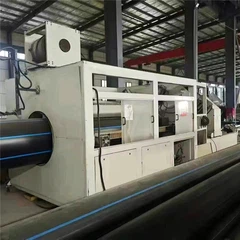
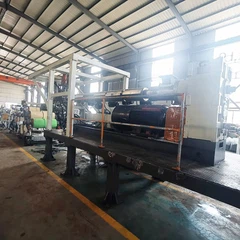
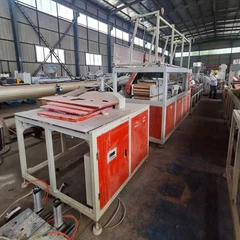
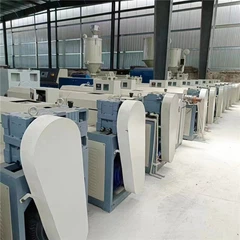

Alright, folks! As a supplier of Used Plastic Pipe Extruders, I've seen my fair share of issues with these machines. Troubleshooting a used plastic pipe extruder can be a real headache, but with the right know - how, you can get it back up and running smoothly in no time. So, let's dive right into it!


Understanding the Basics
First things first, you need to have a basic understanding of how a plastic pipe extruder works. In simple terms, it takes plastic resin, melts it, and then forces it through a die to create a continuous pipe. The main components include the hopper where you pour in the plastic resin, the screw that moves the resin forward, the barrel where the melting happens, and the die that shapes the pipe.
Identifying Common Problems
1. Poor Melting of Plastic Resin
One of the most common issues is when the plastic resin doesn't melt properly. You might see unmelted pellets in the extruded pipe. This can be due to a few reasons. Maybe the temperature settings are too low. The barrel needs to be at the right temperature to melt the resin effectively. Check the temperature gauges and make sure they are set according to the type of plastic you're using. For example, HDPE has different melting point requirements compared to PVC.
Another possible cause could be a worn - out screw. If the screw isn't working as it should, it won't transport and mix the resin properly, leading to uneven melting. Inspect the screw for any signs of wear and tear. If it looks damaged, you might need to replace it. You can find high - quality replacement parts for Used Plastic Pipe Extruders at our Used HDPE Pipe Making Machine page.
2. Uneven Pipe Diameter
If you notice that the diameter of the extruded pipe is inconsistent, it's a major issue. This could be because the die is clogged or misaligned. The die is what gives the pipe its shape, so any blockage or misalignment will affect the diameter. Clean the die thoroughly to remove any plastic residue or debris. If cleaning doesn't solve the problem, you might need to realign it. Make sure it's centered properly with the rest of the extruder components.
The speed of the extruder can also play a role in the pipe diameter. If the screw speed is too fast or too slow, it can cause uneven flow of the melted plastic, resulting in an inconsistent diameter. Adjust the screw speed according to the specifications of the machine and the type of pipe you're trying to make.
3. Leaks in the Extruder
Leaks are another common problem. You might notice plastic resin leaking from the barrel, hopper, or connections. This could be due to loose fittings or gaskets that are worn out. Check all the connections and tighten any loose bolts or nuts. If the gaskets are the issue, replace them with new ones. You can find detailed information about our extruder parts at Second - hand /used PE Pipe Manufacturing Equipment.
Electrical and Control System Issues
1. Faulty Sensors
The extruder has a bunch of sensors that monitor things like temperature, pressure, and speed. If these sensors are faulty, it can lead to all sorts of problems. For example, a malfunctioning temperature sensor might give incorrect readings, causing the barrel to be at the wrong temperature. You can test the sensors using a multimeter or other testing equipment. If a sensor is found to be faulty, replace it as soon as possible.
2. Control Panel Problems
The control panel is where you operate and monitor the extruder. If you're having trouble with the control panel, like buttons not working or incorrect displays, it could be due to a software glitch or a hardware problem. Try restarting the control panel first. If that doesn't work, check the wiring connections. Sometimes, a loose wire can cause these issues. If the problem persists, you might need to call in a professional technician.
Maintenance and Preventive Measures
Regular maintenance is key to preventing problems with your used plastic pipe extruder. Here are some tips:
- Cleaning: After each use, clean the hopper, barrel, and die to remove any plastic residue. This will prevent blockages and ensure smooth operation.
- Lubrication: Keep all the moving parts well - lubricated. This includes the screw, bearings, and other mechanical components. Use the appropriate lubricant recommended by the manufacturer.
- Inspection: Regularly inspect the machine for any signs of wear and tear. Check the belts, chains, and electrical wiring. Catching problems early can save you a lot of time and money in the long run.
When to Seek Professional Help
Sometimes, troubleshooting on your own just won't cut it. If you're dealing with complex electrical problems, major mechanical failures, or if you've tried everything and the problem still persists, it's time to call in a professional. A trained technician has the knowledge and experience to diagnose and fix issues that might be beyond your reach.
We also offer a wide range of services for our customers. Whether you need help with installation, maintenance, or troubleshooting, we're here to assist you. If you're interested in our Used - Second Hand PE Pipe Extrusion Line or other products, don't hesitate to reach out to us for more information and to start a purchase negotiation. You can explore our complete product range and get in touch with us for a great deal on your used plastic pipe extruder needs.
References
- "Plastics Extrusion Technology Handbook", by John A. Brydson
- Manufacturer's manuals of plastic pipe extruders