


Hey there! As a supplier of Used HDPE Pipe Machines, I've been getting a lot of questions lately about the dehumidification requirements for the raw materials used in these machines. So, I thought I'd take a few minutes to break it down for you.
First off, let's talk about why dehumidification is even important. When you're working with HDPE (High-Density Polyethylene) raw materials in a pipe-making machine, moisture can be a real pain in the neck. Moisture in the raw materials can lead to a whole bunch of problems, like poor pipe quality, reduced mechanical properties, and even issues with the extrusion process itself.
For instance, if there's too much moisture in the HDPE pellets, it can cause bubbles to form in the extruded pipe. These bubbles weaken the structure of the pipe, making it more prone to cracking and breaking. Plus, moisture can also react with the polymer during the extrusion process, leading to degradation of the material and a decrease in its overall performance.
So, what's the ideal dehumidification requirement for HDPE raw materials used in a used HDPE pipe machine? Well, it really depends on a few factors, but generally speaking, the moisture content in the HDPE pellets should be kept below 0.02%. That might sound like a really small number, but it makes a huge difference in the quality of the final product.
To achieve this low moisture content, you'll need a good dehumidification system. There are a few different types of dehumidifiers out there, but the most common ones used in the plastics industry are desiccant dehumidifiers. These dehumidifiers work by passing the air through a bed of desiccant material, which absorbs the moisture from the air. The dried air is then circulated back into the hopper where the HDPE pellets are stored, helping to keep the moisture content low.
When choosing a dehumidification system for your used HDPE pipe machine, there are a few things you need to consider. First, you need to make sure that the dehumidifier has the capacity to handle the volume of raw materials you'll be using. If you're running a high-volume production line, you'll need a larger dehumidifier to keep up with the demand.
Second, you need to think about the efficiency of the dehumidifier. A more efficient dehumidifier will use less energy and cost you less money in the long run. Look for dehumidifiers that have features like variable speed fans and advanced control systems to help optimize their performance.
Another important factor to consider is the reliability of the dehumidifier. You don't want a dehumidifier that's going to break down all the time and cause production delays. Look for dehumidifiers from reputable manufacturers that offer good warranties and after-sales support.
Now, let's talk about how to monitor the moisture content in your HDPE raw materials. There are a few different ways to do this, but one of the most common methods is to use a moisture analyzer. These analyzers work by measuring the moisture content in a sample of the raw materials. You can take samples at regular intervals throughout the production process to make sure that the moisture content is staying within the acceptable range.
It's also a good idea to keep an eye on the humidity levels in the production environment. High humidity levels can make it more difficult to keep the moisture content in the raw materials low. If you're working in a humid climate, you might need to take extra steps to control the humidity in your production area, such as using air conditioning or dehumidifiers.
In addition to dehumidification, there are a few other things you can do to ensure the quality of your HDPE pipes. For example, you should always store your raw materials in a dry, cool place. Avoid storing them in areas where they might be exposed to moisture or humidity, such as near open windows or doors.
You should also make sure that your used HDPE pipe machine is properly maintained. Regular maintenance can help prevent problems with the extrusion process and ensure that your machine is running at its best. This includes things like cleaning the hopper, checking the temperature and pressure settings, and lubricating the moving parts.
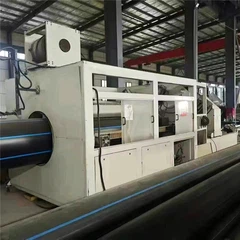
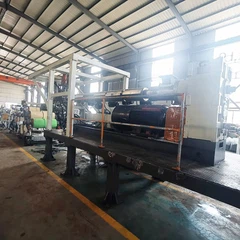
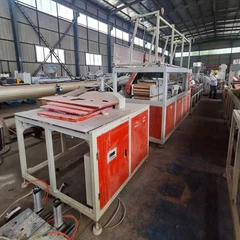
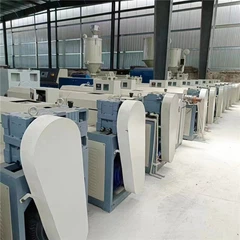
If you're in the market for a used HDPE pipe machine, I'd like to introduce you to some of the great options we have available. Check out our Used Pipe Extruder Production Line, Used PE Pipe Extruder Line, and Used Pipe Extrusion Line. These machines are in great condition and can help you produce high-quality HDPE pipes at a fraction of the cost of a new machine.


If you have any questions about dehumidification requirements or our used HDPE pipe machines, don't hesitate to reach out. We're here to help you make the best decision for your business and ensure that you're getting the most out of your investment.
In conclusion, dehumidification is a crucial step in the process of making high-quality HDPE pipes using a used HDPE pipe machine. By keeping the moisture content in the raw materials low, you can avoid a lot of the problems that can arise during the extrusion process and ensure that your pipes have the strength and durability they need to perform well in the field. So, if you're serious about producing top-notch HDPE pipes, make sure you invest in a good dehumidification system and follow the best practices for handling and storing your raw materials.
References:
- Plastics Technology Handbook, Various Authors
- Industry Reports on HDPE Pipe Manufacturing Processes