

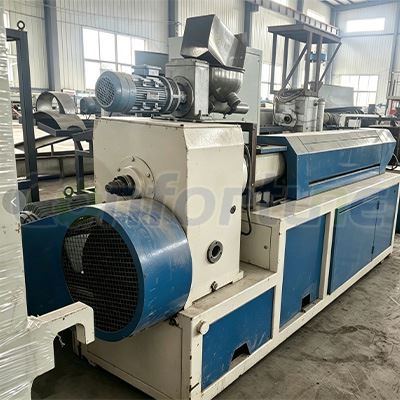
What is the feeding system of a used plastic pipe extruder like?
As a supplier of used plastic pipe extruders, I've had the privilege of working closely with these remarkable machines. The feeding system of a used plastic pipe extruder is a critical component that significantly influences the overall performance and quality of the extrusion process. In this blog, I'll delve into the intricacies of the feeding system, exploring its types, components, and how it functions to ensure a smooth and efficient operation.
Types of Feeding Systems
There are primarily two types of feeding systems commonly used in plastic pipe extruders: volumetric feeding and gravimetric feeding.
Volumetric feeding is a simple and cost - effective method. It measures the volume of the plastic material being fed into the extruder. This system typically uses a screw or a belt conveyor to transport the plastic pellets or granules from the hopper to the extruder barrel. The speed of the screw or conveyor is set to deliver a specific volume of material per unit of time. However, the accuracy of volumetric feeding can be affected by factors such as the density and flow characteristics of the plastic material. If the density of the plastic changes, the actual mass of the material being fed may vary, which can lead to inconsistencies in the extruded pipe's quality.
Gravimetric feeding, on the other hand, is a more precise method. It measures the mass of the plastic material being fed. This system uses load cells to continuously monitor the weight of the material in the hopper and adjust the feeding rate accordingly. Gravimetric feeding ensures a constant mass flow of plastic into the extruder, regardless of variations in the material's density. This results in more consistent product quality, as the extruded pipe has a more uniform diameter, wall thickness, and physical properties.
Components of the Feeding System
The feeding system of a used plastic pipe extruder consists of several key components:
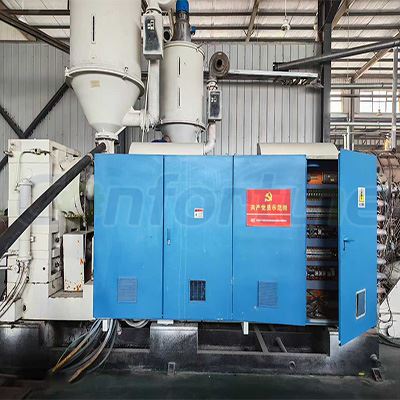
- Hopper: The hopper is the container where the plastic material is stored before it is fed into the extruder. It comes in various sizes and shapes, depending on the capacity of the extruder and the type of plastic material being used. The hopper should be designed to prevent the plastic material from bridging or clogging, which can disrupt the feeding process.
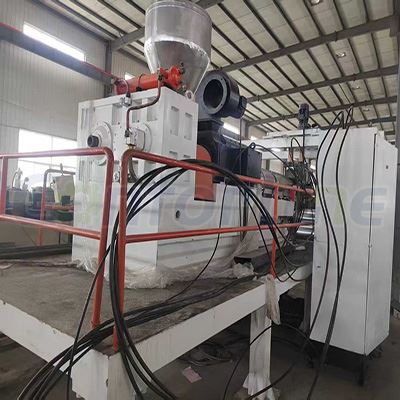
- Feeder: The feeder is responsible for transporting the plastic material from the hopper to the extruder barrel. As mentioned earlier, it can be a screw feeder or a belt conveyor. The feeder should be able to control the feeding rate accurately to ensure a consistent supply of plastic material to the extruder.
- Mixing Unit: In some cases, the plastic material may need to be mixed with additives or colorants before being fed into the extruder. The mixing unit is used to blend these materials thoroughly to ensure a homogeneous mixture. This can be a static mixer or a dynamic mixer, depending on the requirements of the extrusion process.
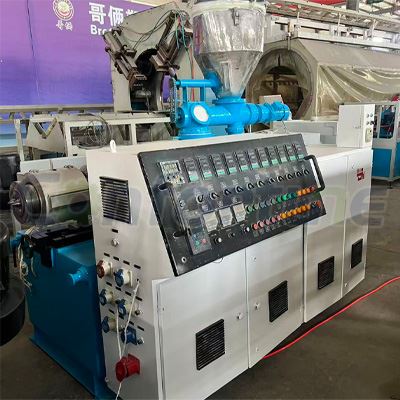
- Sensors and Controls: To ensure the proper functioning of the feeding system, sensors are used to monitor various parameters such as the level of the plastic material in the hopper, the feeding rate, and the temperature of the material. These sensors are connected to a control system, which can adjust the feeding rate and other parameters in real - time to maintain a stable extrusion process.
How the Feeding System Works
The operation of the feeding system begins with the plastic material being loaded into the hopper. The feeder then starts to transport the material from the hopper to the extruder barrel. In a volumetric feeding system, the speed of the feeder is set based on the desired volume of material to be fed per unit of time. In a gravimetric feeding system, the load cells continuously measure the weight of the material in the hopper. If the weight decreases, the control system adjusts the feeder speed to maintain a constant mass flow.
As the plastic material enters the extruder barrel, it is heated and melted by the extruder's heating elements. The melted plastic is then forced through a die, which gives the pipe its shape. The feeding system must work in harmony with the extruder's other components to ensure a continuous and consistent extrusion process.


Importance of a Well - Functioning Feeding System
A well - functioning feeding system is crucial for the success of the plastic pipe extrusion process. Here are some reasons why:
- Product Quality: A consistent feeding rate ensures that the extruded pipe has a uniform diameter, wall thickness, and physical properties. This is essential for meeting the quality standards required by the market.
- Production Efficiency: A reliable feeding system minimizes downtime due to feeding problems, such as clogging or inconsistent feeding. This increases the overall production efficiency and reduces production costs.
- Material Savings: By accurately controlling the feeding rate, a well - designed feeding system can prevent overfeeding or underfeeding of the plastic material. This leads to material savings and reduces waste.
Our Offerings
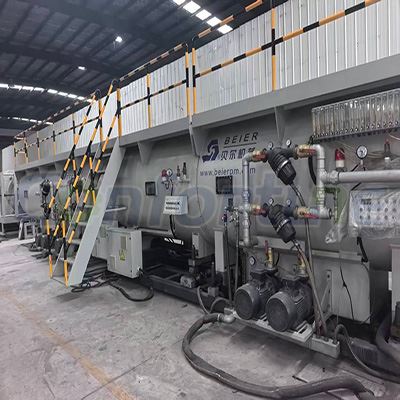
As a supplier of used plastic pipe extruders, we understand the importance of a high - quality feeding system. We offer a wide range of used plastic pipe extruders with different types of feeding systems to meet the diverse needs of our customers. Our Used PE Pipe Extrusion Equipment is equipped with advanced feeding systems that ensure precise and consistent feeding. We also have second hand double wall line and Used PE Solid Wall Pipe Production Line that are designed to provide efficient and reliable extrusion processes.
If you are in the market for a used plastic pipe extruder, we encourage you to contact us for a detailed discussion. Our team of experts can help you select the right machine with the appropriate feeding system for your specific requirements. Whether you are a small - scale manufacturer or a large - scale industrial operation, we have the solutions to meet your needs.
References
- "Plastics Extrusion Technology" by John A. Brydson
- "Extrusion of Plastics: Theory and Practice" by Christopher Rauwendaal