

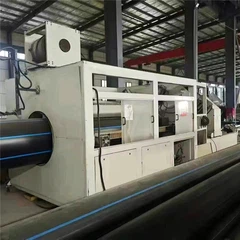
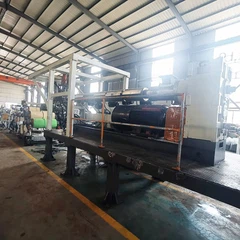
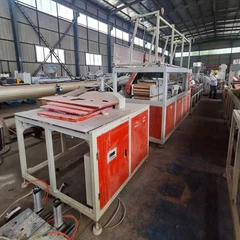
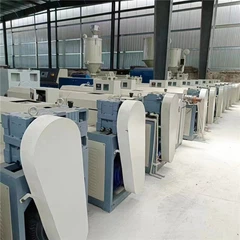

As energy costs continue to rise, improving the energy efficiency of plastic pipe production has become an important concern for manufacturers. For companies using second-hand PE pipe extrusion production lines, proper maintenance and optimization can significantly reduce power consumption while maintaining stable production quality.
1. Regular Maintenance of the Extruder
The extruder is the core equipment of a PE pipe production line and also one of the largest energy consumers.
To improve energy efficiency:
- Regularly inspect the screw and barrel for wear.
- Clean the heating system and cooling fans.
- Ensure heaters and temperature sensors are functioning correctly.
- Replace damaged insulation materials when necessary.
A well-maintained extruder operates more efficiently and requires less energy to achieve the desired output.
2. Optimize Temperature Settings
Many operators set processing temperatures higher than necessary, leading to unnecessary energy consumption.
Recommended practices include:
- Adjust temperature settings according to the PE material grade.
- Avoid excessive heating.
- Monitor melt temperature continuously.
Proper temperature control not only saves energy but also improves product quality.
3. Upgrade to Variable Frequency Drives
Installing variable frequency drives on motors can significantly reduce electricity consumption.
- Adjust motor speed according to production requirements.
- Reduce power waste during startup and low-load operation.
- Improve overall production stability.
This upgrade is often one of the most cost-effective energy-saving solutions for used production lines.
4. Improve Cooling System Efficiency
Cooling systems consume a considerable amount of electricity during pipe production.
Energy-saving measures include:
- Regularly cleaning cooling tanks and water pipelines.
- Using efficient water circulation systems.
- Repairing leaks promptly.
- Maintaining proper water temperature.
An efficient cooling system helps reduce operating costs and ensures consistent pipe quality.
5. Reduce Material Waste
Material waste increases both production costs and energy consumption.
Manufacturers can reduce waste by:
- Optimizing machine startup procedures.
- Maintaining stable extrusion pressure.
- Properly calibrating vacuum and haul-off units.
- Training operators to identify production issues quickly.
Less waste means lower energy consumption per ton of finished product.
6. Monitor Energy Consumption
Installing energy monitoring devices allows factories to identify areas of excessive power usage.
Benefits include:
- Tracking energy consumption of individual machines.
- Detecting abnormal equipment operation.
- Improving production management.
- Supporting long-term cost reduction plans.
Data-driven management can greatly improve overall production efficiency.
7. Ensure Proper Operator Training
Even the most advanced equipment can waste energy if operated incorrectly.
Operators should understand:
- Proper startup and shutdown procedures.
- Correct temperature settings.
- Efficient production scheduling.
- Basic equipment maintenance practices.
Well-trained personnel can contribute significantly to energy savings.
Conclusion
Second-hand PE pipe extrusion production lines can achieve excellent energy efficiency when properly maintained and optimized. Regular maintenance, accurate temperature control, VFD installation, efficient cooling systems, waste reduction, energy monitoring, and operator training are all effective strategies for lowering production costs.
By implementing these energy-saving measures, manufacturers can improve profitability, extend equipment lifespan, and enhance the overall performance of their used PE pipe extrusion production lines.
Hot Tags: pre-owned pe pipe production line, China pre-owned pe pipe production line manufacturers, suppliers