


I. Grasp the Three Core Elements
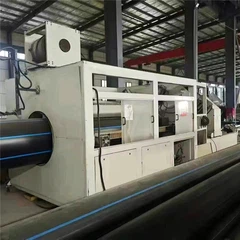
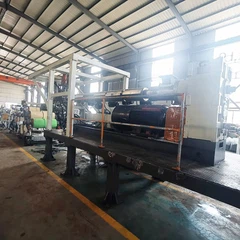
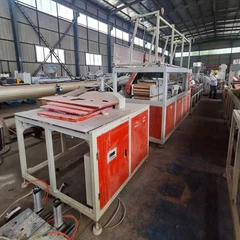
1.Mechanical Core Condition:Focus on the wear of the screw and barrel (which directly affects output and product quality), as well as the surface smoothness and temperature control of the polishing rollers (which determine the dimensional accuracy and appearance of the sheet).
2.Electrical Control System:Check that the PLC, frequency converter, temperature controller and other components work stably and are from reliable brands. Aging electrical systems are the main source of future failures.
3.Actual Production Capacity:If conditions permit, be sure to run a test with your planned raw materials. This is the most reliable way to verify the actual performance of the machine, such as output, thickness uniformity and surface quality.
II. Implement Practical Inspection Steps
1.Static Inspection:
Check records: Ask for the equipment nameplate (to confirm model and year) and maintenance records.
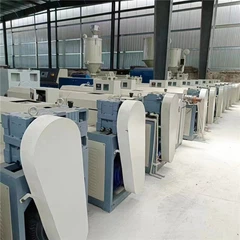
Inspect appearance: Observe overall cleanliness, check for oil leaks or rust, and ensure safety protections are complete.
Examine key components: Focus on the wear and maintenance condition of the screw, barrel, die head, and polishing rollers.
2.Dynamic Testing (Crucial):
No-load operation: Listen for abnormal noise from the gearbox and motor, and check for unusual vibration in all parts.
Heating test: Test the heating speed and temperature stability of all heating zones (barrel, die head, polishing rollers).
Material trial run (highly recommended): Conduct a trial production with actual raw materials to verify stable extrusion, uniform plasticization, qualified sheet thickness tolerance, and smooth, defect-free surface.
3.Comprehensive Evaluation & Negotiation:
Total cost calculation: Sum the purchase price, estimated renovation/repair costs, energy consumption and maintenance expenses, then compare with new machine pricing to analyze return on investment.
Service confirmation: Check whether the seller provides installation, commissioning, warranty period, and after-sales technical support.
III. Suggestions for Different Purchase Objectives
1.If your budget is very limited:Accept that the machine may require repairs. The evaluation should focus entirely on the remaining service life of core mechanical components (screw, barrel, gearbox), since upgrades to the electrical system are relatively common.
2.If you aim for fast production startup:Prioritize machines with complete maintenance records, recent renovations, and sellers who can provide warranty and technical support. A material trial run is a mandatory step.
3.If you have special process requirements:Focus on verifying whether the machine is compatible with your materials, whether the die specification matches, and whether the temperature control accuracy is sufficiently high.