

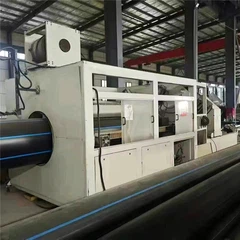
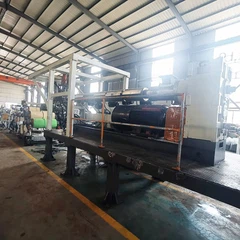
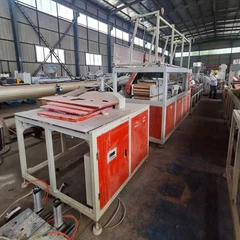
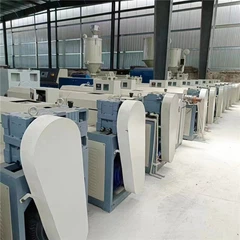

1. Daily Startup & Operation Maintenance: Block Faults at the Source
Daily maintenance is the first line of defense for aging equipment, eliminating most sudden failures and minor wear. It focuses on quick pre-start checks, real-time operational monitoring and post-shutdown cleaning.
1.1 Pre-Startup Inspection (10-minute Quick Check)
-
Lubrication system check: Check oil/grease levels of bearings, gears and chains. Supplement qualified lubricants appropriately (bearing grease filling: 1/2–2/3 cavity space). Avoid insufficient lubrication causing wear or excessive lubrication forming oil sludge and jamming parts.
-
Fastener & circuit inspection: Tighten loose bolts and fixed parts on extruders, calenders and cutters (caused by long-term vibration). Check electrical and air circuits for poor contact and air leakage to avoid operational instability.
-
Cooling system dredging: Ensure unobstructed cooling water pipes and nozzles. Blocked or unbalanced water flow directly causes board deformation and uneven cooling.
-
Die preliminary cleaning: Wipe die lip residues with copper tools only to prevent scratches, which affect the flatness of finished PVC boards.
1.2 In-Operation Real-Time Monitoring
- Abnormal sound & vibration judgment: Monitor extruder screws, reducers and motors. Harsh noise and abnormal vibration indicate bearing damage, gear wear or screw friction; reduce speed and inspect timely to avoid fault expansion.
- Parameter stability control: Keep track of melt temperature, extrusion pressure and motor load. Calibrate aging sensors regularly to prevent parameter drift leading to board bubbles, warping and uneven thickness.
- Vacuum system inspection: Clean vacuum filter blockages in real time. Dust clogging causes poor degassing and bubble defects on board surfaces.
1.3 Shutdown Daily Cleaning
Clean residual PVC powder and particles in hoppers, screw grooves and cooling troughs after shutdown to prevent high-temperature carbonization and adhesion. Wipe equipment surfaces to reduce dust corrosion on mechanical parts and delay equipment aging.
2. Weekly & Monthly Preventive Maintenance: Eliminate Hidden Dangers
Weekly and monthly preventive maintenance focuses on component wear inspection, parameter calibration and system optimization. It eliminates hidden dangers of aging parts in advance, greatly reducing emergency repair costs and unplanned shutdown losses.
2.1 Weekly Key Maintenance
- Vacuum & cooling system deep cleaning: Disassemble and clean vacuum filters and screens for smooth degassing; flush cooling pipelines to remove scale and ensure uniform cooling effect.
- Transmission system inspection: Check the wear and tension of chains and belts, adjust tightness properly, and clean and lubricate transmission parts to eliminate oil sludge.
- Product quality linkage check: Compare finished board flatness, thickness and surface finish with standards, and adjust parameters timely to avoid cumulative quality errors from aging equipment.
2.2 Monthly Systematic Maintenance
- Heating & sensing component calibration: Calibrate aging heaters and thermocouples to ensure uniform heating of barrels and dies, avoiding local overheating and material carbonization.
- Fastener comprehensive tightening: Re-tighten all key bolts and base screws to eliminate gaps caused by long-term vibration and stabilize operating accuracy.
- Hydraulic & pneumatic system detection: Inspect hydraulic oil quality and pipeline aging, replace deteriorated oil and cracked hoses to eliminate oil and air leakage.
- Parameter baseline recording: Record core operating data to establish equipment files, providing data support for subsequent overhaul and fault diagnosis.
3. Regular Overhaul Maintenance (2500–4500 Working Hours): Renew Equipment Performance
- After 2500–4500 working hours, core components of used lines suffer obvious fatigue wear. A full overhaul is required to repair aging parts, restore equipment precision and reset overall performance.
- Screw & barrel maintenance: Detect surface wear; repair minor wear via hardening treatment and replace severely worn parts. Remove stubborn carbon deposits with professional cleaning materials to ensure uniform extrusion.
- Die precision maintenance: Polish die runners and lips, remove oxide and residual materials, and check flatness and gap uniformity to guarantee smooth board surfaces.
- Reducer & motor maintenance: Replace reducer lubricating oil and clean gear oil sludge; check bearing clearance and gear meshing; test motor current and insulation to eliminate circuit hidden dangers.
- Whole-line mechanical alignment: Calibrate the level and parallelism of calender rollers, traction rollers and cutting units to correct position deviation and solve board deviation and uneven thickness issues.
The core value of used PVC board production lines lies in low cost and stable long-term operation. Refined hierarchical maintenance can effectively delay equipment aging, reduce failure and production costs, and create sustainable economic benefits for processing enterprises.
Hot Tags: used pvc sheet wire, China used pvc sheet wire manufacturers, suppliers, pre owned plate extruder condition, plate extruder used for automotive plate extrusion, second hand plate extruder for making automotive plates, specification of used plate extruder machine, pre owned plate extruder for toy production, Second Hand PP Sheet Machine