

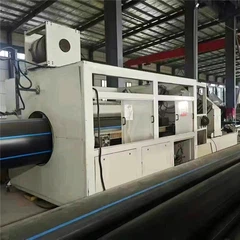
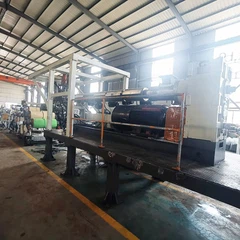
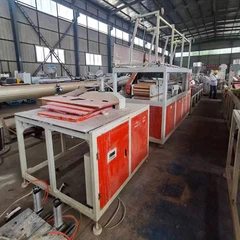
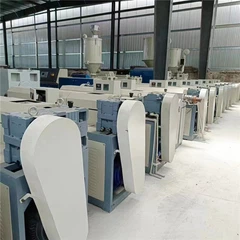

Buying a used PVC profile production line helps window‑door and decorative profile manufacturers cut investment costs. However, second‑hand extrusion equipment has already gone through previous production cycles. Improper daily care will cause frequent breakdowns, poor profile quality and shortened machine service life.
📅 Maintenance Schedule for Used PVC Profile Line
For second‑hand machines, fixed‑cycle inspection is more important than for brand‑new equipment.
| Frequency | Core Work |
|---|---|
| Daily (Each shift) | Temperature check, purge before shutdown, cooling system check, abnormal noise observation, running data log |
| Weekly | Clean hopper & filter, check belt tension, lubricate haul‑off rollers, inspect wiring terminals |
| Monthly | Measure screw & barrel wear, test heater bands and thermocouples, tighten loose bolts caused by vibration |
| Every 2000‑3000 working hours | Replace gearbox oil, overhaul die, inspect vacuum system, full‑line alignment adjustment |
🔧 Core Extruder Unit Maintenance
The conical twin‑screw extruder is the heart of the whole PVC profile line. Used units usually have hidden wear risks.
1. Screw & Barrel Protection
- Never keep hot PVC material staying inside the barrel during long‑time shutdown. PVC will decompose, produce corrosive gas and damage metal surfaces.
- Complete purging before stop‑over, remove residual PVC thoroughly.
- Regularly check for scratches, corrosion and flight wear. Replace severely worn parts in advance to avoid unstable output and black spots on profiles.
2. Gearbox & Drive System
- Check oil level and oil quality frequently. Old gear oil will lead to gear and bearing damage on used extruders.
- Listen for abnormal grinding or knocking noise. Strange sound is an early failure warning.
3. Heating & Temperature Control System
- Calibrate thermocouples and heater bands regularly. Aging heating parts are very common on second‑hand lines, causing local over‑heating and PVC carbonization.
🛠 Downstream Auxiliary Equipment Care
Many buyers only focus on the main extruder while ignoring downstream machines, yet most profile defects come from auxiliary units.
✅ Calibration cooling table Clean cooling water filter regularly; avoid water scale blocking pipelines. Unstable cooling causes profile warping, uneven thickness.
✅ Haul‑off & cutter unit Keep roller surface clean; check belt and chain tension. Poor haul‑off traction leads to profile dimensional deviation. Lubricate cutting moving parts to prevent jamming.
✅ Vacuum system Clear vacuum filter and pipeline dust. Blocked vacuum will result in bubbles and pits on PVC profile surface.
✅ Die maintenance Clean die runner and lip after batches. Remove carbon deposits; inspect gap uniformity. A worn die directly ruins finished product quality.
Final Note
A well‑maintained used PVC profile production line can deliver near‑new performance for many years. Do not only pay attention to price when purchasing; build up your regular maintenance workflow after installation. Small daily checks will save you huge repair cost and production loss in the future.
Hot Tags: wpvc profile line, China wpvc profile line manufacturers, suppliers, profile extrusion machine used for insert molding, second hand extrusion line for profiles, used profile extruder with accessories, pre owned profile extruder, second hand profile extruder for heavy duty profiles, profile extruder used for chemical resistant profiles
FAQ
Q1: Is maintenance for used PVC profile line different from new machine?
A: Yes. Second‑hand equipment needs more frequent wear‑part inspection. Vibration‑caused loose fasteners and aging electrical components happen more often. Preventive checks can greatly reduce unexpected downtime.
Q2: What is the most frequent mistake during PVC line shutdown?
A: Direct power‑off with hot PVC left inside heated barrel. This is the main reason for screw‑barrel corrosion and sticking on many used extruders. Always perform purging before long shutdown.
Q3: Can I skip some monthly checks if the machine still works normally?
A: Not suggested. Many failures develop slowly. By the time you see obvious malfunctions, key components may already suffer permanent damage.