

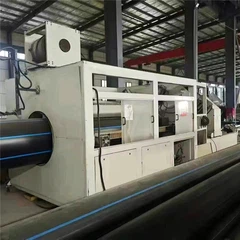
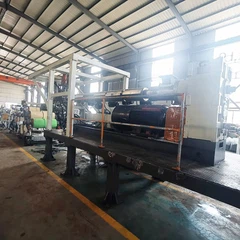
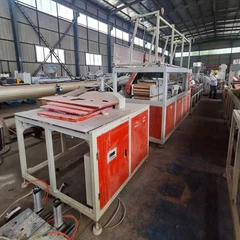
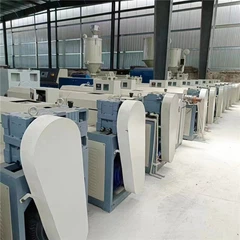

As the demand for cost-effective plastic manufacturing equipment continues to grow, many companies are considering used plastic extruders as an alternative to new machines. A second-hand extruder can significantly reduce investment costs, but it is important to carefully inspect the equipment before making a purchase. A thorough inspection helps ensure reliable performance and avoids unexpected repair expenses.
1. Check the Overall Machine Condition
Start by examining the general appearance of the extruder. Look for signs of excessive wear, corrosion, cracks, or damage to the machine frame. A well-maintained machine usually indicates that the previous owner followed proper maintenance procedures.
Pay attention to:
- Rust or corrosion on metal parts
- Oil leaks around the gearbox and motor
- Damaged electrical cabinets and wiring
- Missing components or safety covers
2. Inspect the Screw and Barrel
The screw and barrel are the core components of any plastic extruder. Excessive wear can reduce production efficiency and product quality.
When inspecting the screw and barrel:
- Check for visible wear or scratches
- Measure wear levels if possible
- Ask about previous production materials
- Confirm whether the screw or barrel has been repaired or replaced
A machine with a well-maintained screw and barrel will generally provide better output and lower maintenance costs.
3. Examine the Drive System
The motor and gearbox directly affect the machine's performance. Listen for unusual noises during operation and check whether the motor runs smoothly.
Important inspection points include:
- Motor condition and power rating
- Gearbox vibration and noise
- Lubrication system status
- Maintenance records
A stable drive system is essential for long-term production reliability.
4. Test the Heating and Cooling Systems
Proper temperature control is critical for plastic extrusion. Verify that all heating zones and cooling systems function correctly.
Check:
- Heater bands and temperature sensors
- Cooling fans and water systems
- Temperature controller accuracy
- Heating speed and stability
Poor temperature control can lead to product defects and reduced production efficiency.
5. Review the Electrical System
Electrical components can be expensive to repair or replace. Inspect the control panel and ensure all functions operate normally.
Look for:
- Clean and organized wiring
- Functional control buttons and displays
- Inverter and PLC condition
- Emergency stop functionality
A properly functioning electrical system helps minimize downtime.
6. Request a Trial Run
Whenever possible, ask the seller to run the machine under production conditions. A trial run provides valuable information about the machine's actual performance.
During testing, observe:
- Extrusion stability
- Output capacity
- Product quality
- Noise and vibration levels
- Temperature consistency
A successful trial run is often the best indicator of machine condition.
Conclusion
Purchasing a used plastic extruder can be an excellent way to expand production while controlling costs. However, a detailed inspection is essential before making a final decision. By checking the machine's mechanical condition, electrical system, screw and barrel wear, and maintenance history, buyers can greatly reduce risks and select equipment that will deliver reliable performance for years to come.
Hot Tags: used,second-hand pipe extruders, China used,second-hand pipe extruders manufacturers, suppliers, Old HDPE Pipe Machine, Second Hand Plastic Pipe Machine, Used HDPE Pipe Extrusion Machine, Used HDPE Pipe Machine, used HDPE pipe production line, Used PE Pipe Extrusion Line.