


Are there any quality differences between new and second - hand extruders?
In the manufacturing and industrial sectors, extruders play a pivotal role in the production of a wide range of products, from plastic pipes to food items. When it comes to acquiring an extruder, one of the most common dilemmas faced by businesses is whether to invest in a new extruder or opt for a second - hand one. As a second - hand extruder supplier, I have witnessed firsthand the diverse perspectives and concerns of potential buyers regarding the quality of these machines. In this blog, I will delve into the key aspects to help you understand if there are indeed quality differences between new and second - hand extruders.
1. Initial Quality and Design
New extruders are typically built with the latest technology and design concepts. Manufacturers invest significant resources in research and development to ensure that their new machines are efficient, reliable, and compliant with the latest industry standards. They often incorporate advanced features such as precision control systems, energy - saving mechanisms, and improved safety features.
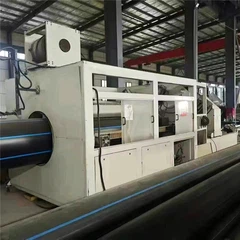
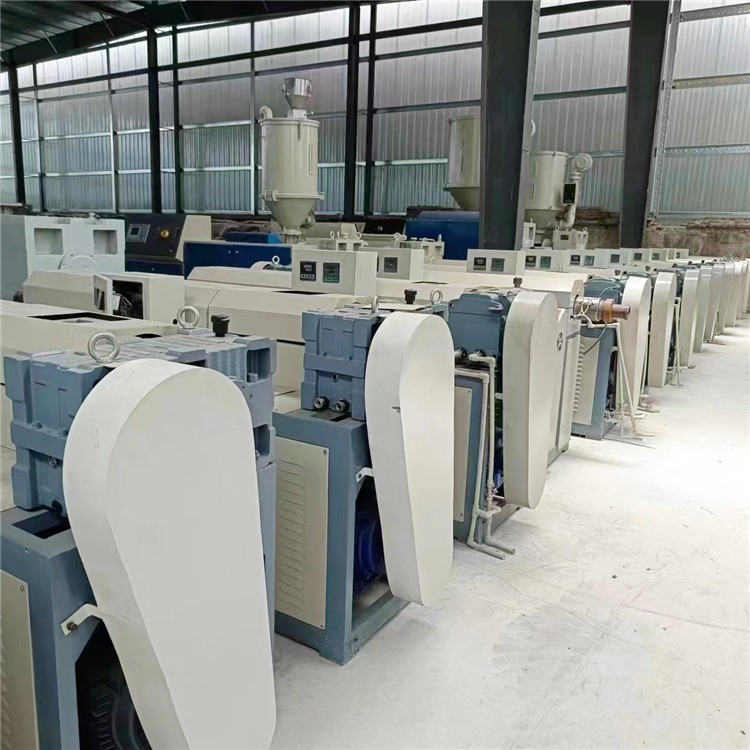
On the other hand, second - hand extruders may be older models. However, this does not necessarily mean they lack quality. Many second - hand extruders were originally high - end machines that were well - built and designed to last. For example, some Used Extrusion Machine models have a reputation for their robust construction and long - term performance. These machines may have been used in well - maintained industrial settings, and with proper refurbishment, they can still offer excellent quality.
2. Wear and Tear
One of the most obvious differences between new and second - hand extruders is the level of wear and tear. New extruders start with zero usage, which means all their components are in pristine condition. There is no risk of pre - existing mechanical problems or component failures due to previous use.
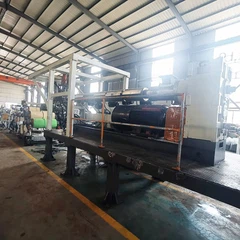
Second - hand extruders, as the name suggests, have been used before. The extent of wear and tear can vary greatly depending on factors such as the duration of use, the operating conditions, and the maintenance history. A well - maintained second - hand extruder may show minimal signs of wear, while a machine that has been used in harsh conditions or without proper maintenance may have significant issues. However, as a responsible second - hand extruder supplier, we thoroughly inspect and refurbish our machines. For instance, when dealing with Used 80/156 Extruder, we check all critical components, replace worn - out parts, and conduct performance tests to ensure that the machine meets high - quality standards.
3. Performance and Efficiency
New extruders are often designed to be more energy - efficient and have higher production capacities compared to older models. They can process materials more quickly and accurately, resulting in better - quality end products. The advanced control systems in new extruders allow for precise adjustment of parameters such as temperature, pressure, and speed, which can lead to more consistent production.
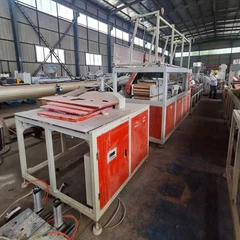
Second - hand extruders may not have the same level of energy efficiency or production speed as new ones. However, with proper upgrades and maintenance, their performance can be significantly improved. For example, by replacing outdated control systems with modern ones, a second - hand extruder can achieve better process control and increased efficiency. Additionally, some second - hand extruders are specifically designed for certain types of materials or products, and they can still perform very well in their intended applications. For example, a Drip Irrigation Belt Coiling Machine that has been well - maintained can produce high - quality drip irrigation belts with consistent specifications.
4. Cost - Quality Balance
One of the main reasons why businesses consider second - hand extruders is the cost factor. New extruders can be very expensive, especially for small and medium - sized enterprises. The high cost of new machines may limit the budget available for other aspects of the business, such as raw materials or marketing.
Second - hand extruders offer a more cost - effective alternative. They are generally priced much lower than new ones, which allows businesses to acquire a functional extruder at a fraction of the cost. In many cases, the quality of a second - hand extruder can be sufficient for the specific needs of a business. For example, if a company only needs to produce a small volume of products or has a limited budget, a second - hand extruder can be a practical choice. By carefully selecting a second - hand extruder and ensuring proper maintenance, businesses can achieve a good balance between cost and quality.
5. Technical Support and After - Sales Service
New extruder manufacturers usually provide comprehensive technical support and after - sales service. They have dedicated teams of engineers and technicians who can assist with installation, training, and troubleshooting. They also offer warranties for their products, which gives buyers peace of mind.
As a second - hand extruder supplier, we also strive to provide excellent technical support. We have a team of experienced technicians who can offer installation and maintenance services. Although we may not be able to provide the same level of warranty as new machine manufacturers, we ensure that our refurbished machines are reliable and that we stand behind our products. We also have a network of suppliers for spare parts, which ensures that our customers can easily obtain the necessary components for their machines.

6. Environmental Considerations
In today's world, environmental sustainability is an important factor to consider. Buying a second - hand extruder is a more environmentally friendly option compared to purchasing a new one. By reusing existing machines, we reduce the demand for new manufacturing, which in turn conserves natural resources and reduces energy consumption. Additionally, the production of new extruders often involves significant amounts of energy and raw materials, and by choosing a second - hand machine, we can contribute to a more sustainable future.
Conclusion
In conclusion, there are indeed some differences in quality between new and second - hand extruders. New extruders offer the latest technology, zero wear and tear, and high - end performance, but they come at a high cost. Second - hand extruders, on the other hand, can provide a cost - effective alternative with acceptable quality, especially when properly refurbished and maintained.
If you are considering purchasing an extruder, it is important to carefully evaluate your specific needs, budget, and production requirements. Whether you choose a new or second - hand extruder, make sure to do your research, inspect the machine thoroughly, and ensure that you have access to reliable technical support. If you are interested in exploring our range of second - hand extruders, please feel free to contact us for further information and to discuss your specific requirements. We are committed to providing high - quality second - hand extruders and excellent customer service.
References
- "Extrusion Technology Handbook" by Christopher Rauwendaal
- "Plastics Extrusion: Principles and Practice" by James L. White and Paul D. Cole