

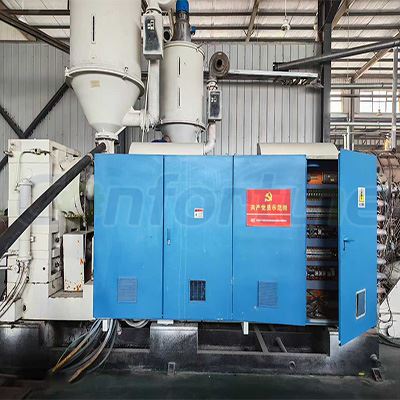
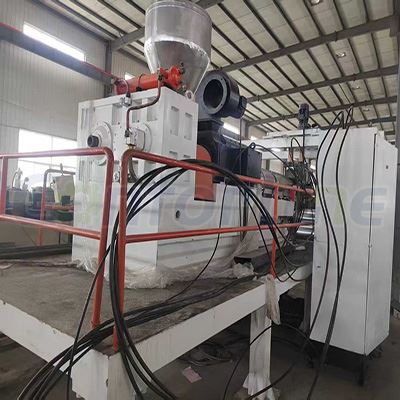
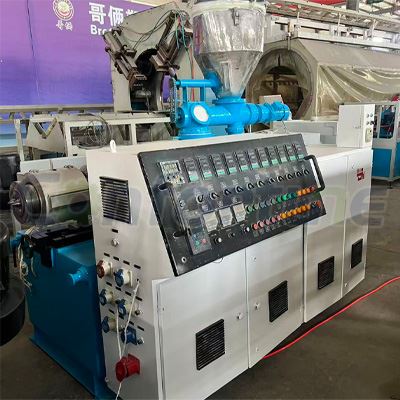
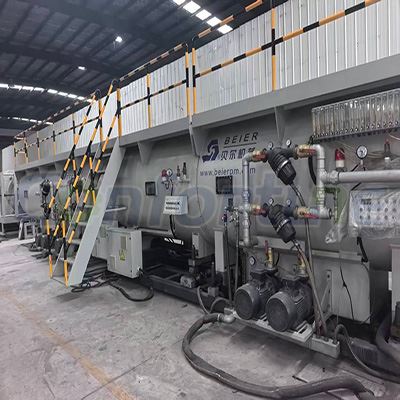
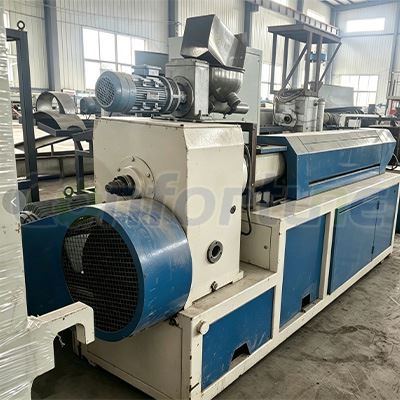
Hey there! As a supplier of second - hand PE mixers, I often get asked a pretty common question: "Can a second - hand PE mixer be used for mixing pigments?" Well, let's dive right into this topic and find out.
First off, let's talk about what a PE mixer is. A PE (Polyethylene) mixer is designed to blend PE materials, which are one of the most widely used plastics in the world. It's used to combine additives, fillers, and sometimes other polymers with the base PE resin to achieve the desired properties. But when it comes to pigments, things get a bit more interesting.
Pigments are used to color plastics, and they come in different forms - powders, granules, and pastes. The key to successfully using a second - hand PE mixer for pigment mixing lies in a few important factors.
Condition of the Mixer
The first thing to consider is the condition of the second - hand PE mixer. A well - maintained mixer is more likely to work efficiently for pigment mixing. Over time, mixers can experience wear and tear, especially in the mixing blades and the inner lining. If these parts are in good shape, the mixer can provide a homogeneous blend of pigments with the PE material.
For example, if the mixing blades are worn, they might not be able to disperse the pigments evenly. This can result in color streaks or patches in the final product. So, before using a second - hand PE mixer for pigment mixing, it's crucial to thoroughly inspect it. Check for any signs of damage, such as cracks in the housing, loose parts, or excessive corrosion. You can also ask for the mixer's maintenance history if possible. This will give you an idea of how well it has been taken care of.
Compatibility
Another important aspect is the compatibility between the mixer and the pigments. Different pigments have different chemical and physical properties. Some pigments are more abrasive, while others are more reactive. The materials used in the construction of the mixer, such as the type of metal for the blades and the lining, need to be compatible with the pigments.
For instance, if you're using a pigment that is highly abrasive, a mixer with a hard - wearing lining will be more suitable. Otherwise, the pigment can cause excessive wear on the mixer components, reducing its lifespan and affecting the quality of the mixing. Some pigments may also react with certain metals, so it's essential to ensure that there won't be any chemical reactions that could contaminate the mixture or damage the mixer.


Mixing Capacity and Design
The mixing capacity and design of the second - hand PE mixer also play a significant role. If you're planning to mix a large volume of pigments with PE, you need a mixer with an appropriate capacity. An undersized mixer will struggle to handle the load, resulting in incomplete mixing.
The design of the mixer, such as the type of mixing blades (e.g., paddle blades, screw blades) and the mixing mechanism (e.g., batch mixing or continuous mixing), can also impact the pigment mixing process. Batch mixers are suitable for small - to medium - scale production, where you can precisely control the amount of pigments added. Continuous mixers, on the other hand, are better for large - scale production, as they can continuously mix the materials.
Advantages of Using a Second - Hand PE Mixer for Pigment Mixing
There are several advantages to using a second - hand PE mixer for pigment mixing. Firstly, it's cost - effective. Buying a brand - new mixer can be quite expensive, especially for small and medium - sized businesses. A second - hand mixer can offer the same functionality at a much lower price.
Secondly, it can be a quicker solution. If you're in a hurry to start your pigment mixing operations, waiting for a new mixer to be manufactured and delivered can be time - consuming. A second - hand mixer can usually be obtained and put into use much more quickly.
Potential Challenges
Of course, there are also some potential challenges. As mentioned earlier, the condition of the second - hand mixer can be a concern. You might also face issues with getting spare parts if the mixer is an older model. And there could be a learning curve if the mixer has a different operating system than what you're used to.
Now, if you're in the market for a second - hand PE mixer or other related equipment, we've got some great options for you. Check out our Second Hand PE Mixer. We also have a Used PVC Pelletizing Production Line and Used High And Lower Mixer that might fit your needs.
If you have any questions or are interested in purchasing a second - hand PE mixer for pigment mixing, feel free to reach out. We're here to help you make the right choice for your business.
References
- Plastics Industry Handbook: Covers general information about plastic processing equipment and materials.
- Mixer Manufacturer Technical Guides: Provide details on the operation and maintenance of mixers.