

Hey there! As a supplier of second - hand extruders, I often get asked this question: "Can a second - hand extruder be integrated with other production equipment?" Well, let's dig into this topic and find out.
First off, what exactly is an extruder? An extruder is a machine that forces material through a die to create objects with a fixed cross - sectional profile. They're used in a whole bunch of industries, like plastics, food, and even pharmaceuticals. And second - hand extruders can be a great option for businesses looking to save some cash without sacrificing too much on quality.
Now, back to the main question. The short answer is yes, a second - hand extruder can usually be integrated with other production equipment. But there are a few things you need to consider.
Compatibility
The first thing you gotta think about is compatibility. Different production equipment has different specifications, such as power requirements, speed, and control systems. You need to make sure that your second - hand extruder can work well with the other machines in your production line.
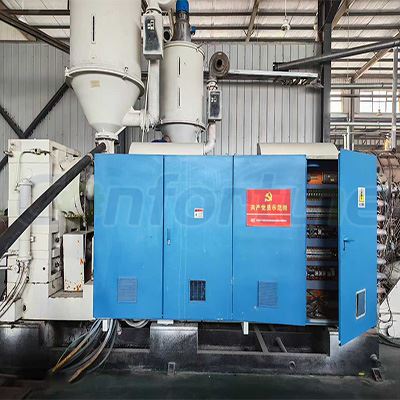
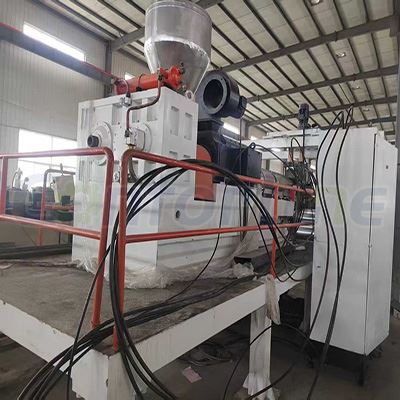
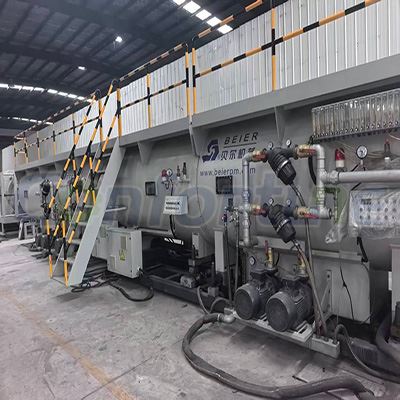
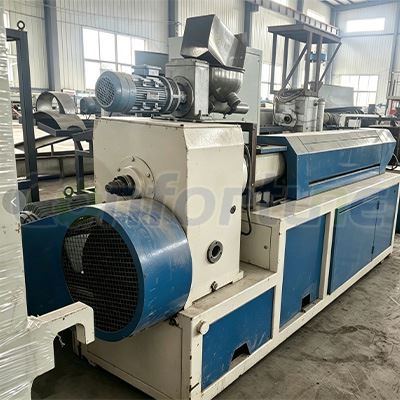
For example, if you're using a Second Hand Plastic Extrusion Machine and you want to integrate it with a downstream cooling system, you need to ensure that the output rate of the extruder matches the capacity of the cooling system. If the extruder produces more plastic than the cooling system can handle, you'll end up with a mess.
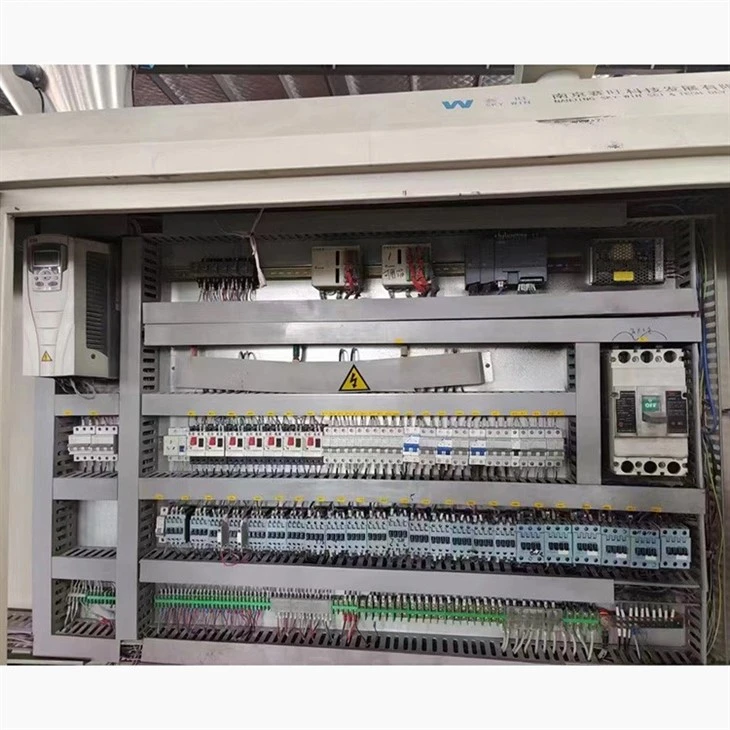
Another aspect of compatibility is the control system. Modern production equipment often comes with advanced control systems that allow for precise operation. If your second - hand extruder has an outdated control system, it might be a challenge to integrate it with newer machines. However, in many cases, it's possible to upgrade the control system of the extruder to make it more compatible.
Condition of the Extruder
The condition of the second - hand extruder also plays a crucial role in integration. A well - maintained extruder is more likely to work smoothly with other equipment. Before you buy a second - hand extruder, it's a good idea to have it inspected by a professional. They can check for any mechanical issues, such as worn - out parts, leaks, or electrical problems.
If the extruder has significant mechanical problems, it might not only affect its own performance but also cause issues for the other equipment in the production line. For instance, a leaky extruder can contaminate the material being processed and damage downstream equipment.
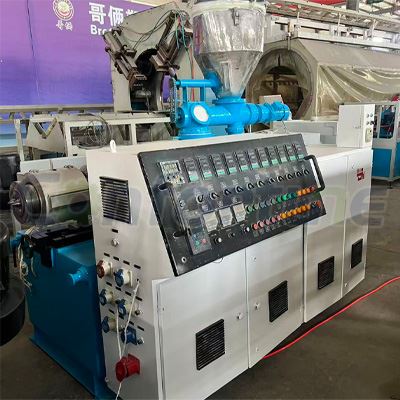
Let's say you're considering a Used 65/132 Extruder Machine. You need to make sure that all the components, like the screws, barrels, and heaters, are in good condition. A damaged screw can lead to uneven extrusion, which can cause problems when integrating with other machines.
Technical Support
When integrating a second - hand extruder with other production equipment, you might run into some technical challenges. That's why it's important to have access to good technical support. As a supplier, I offer technical support to my customers. We can help you with the installation, calibration, and troubleshooting of the extruder.
If you're not familiar with the process of integrating the extruder, our team can guide you through it. We can also provide you with training on how to operate the extruder and how to make it work in harmony with the other equipment.

Advantages of Integration
Integrating a second - hand extruder with other production equipment has several advantages. First of all, it can improve the overall efficiency of your production line. By having all the machines work together seamlessly, you can reduce the time and effort required to produce your products.
For example, if you integrate a Used Single Screw Extruder with a pelletizing machine, you can produce high - quality plastic pellets in a continuous process. This can save you a lot of time compared to having separate processes for extrusion and pelletizing.
Secondly, integration can also improve the quality of your products. When the extruder works in sync with other equipment, you can have better control over the production process. This means that you can produce products with more consistent quality and fewer defects.
Challenges and Solutions
Of course, integrating a second - hand extruder with other production equipment isn't always a walk in the park. There are some challenges that you might face, but don't worry, there are solutions.
One common challenge is the difference in standards between the extruder and the other equipment. Different manufacturers might have different standards for things like connectors, interfaces, and communication protocols. To solve this problem, you might need to use adapters or converters to make the equipment compatible.
Another challenge is the lack of documentation for the second - hand extruder. Sometimes, it can be difficult to find detailed information about the extruder's specifications and operation. In this case, you can rely on the expertise of the supplier or hire a professional to do a thorough inspection and analysis of the extruder.
Cost - Benefit Analysis
When considering integrating a second - hand extruder with other production equipment, it's important to do a cost - benefit analysis. On one hand, buying a second - hand extruder can save you a significant amount of money compared to buying a brand - new one. On the other hand, there might be some costs associated with integration, such as the cost of upgrading the control system or buying adapters.
You need to weigh the potential savings against the integration costs to see if it's a worthwhile investment. In most cases, if you can find a good - quality second - hand extruder and manage the integration process well, it can be a very cost - effective solution.
Conclusion
In conclusion, a second - hand extruder can definitely be integrated with other production equipment. However, it requires careful consideration of compatibility, the condition of the extruder, and access to technical support. There are both advantages and challenges, but with the right approach, you can achieve a successful integration.
If you're interested in buying a second - hand extruder and want to learn more about how it can be integrated with your existing production equipment, feel free to reach out to us. We're here to help you make the best decision for your business.
References
- "Extrusion Technology Handbook"
- Industry reports on second - hand industrial equipment