


As a supplier of Used Extrusion Machines, I often get asked whether a used extrusion machine can be used for composite materials. This is a valid question, especially considering the unique properties and processing requirements of composite materials. In this blog post, I'll explore the feasibility of using a used extrusion machine for composites, discuss the factors to consider, and share some insights based on my experience in the industry.
Understanding Composite Materials
Composite materials are engineered materials made from two or more constituent materials with significantly different physical or chemical properties. When combined, they produce a material with characteristics different from the individual components. Composites are known for their high strength-to-weight ratio, corrosion resistance, and design flexibility, making them popular in various industries such as aerospace, automotive, and construction.
Common types of composite materials include fiber-reinforced polymers (FRPs), which consist of a polymer matrix (such as epoxy, polyester, or vinyl ester) reinforced with fibers (such as carbon, glass, or aramid). The extrusion process for composites involves melting the polymer matrix, impregnating the fibers with the molten polymer, and shaping the composite into the desired form.
Feasibility of Using a Used Extrusion Machine for Composites
The short answer is yes, a used extrusion machine can be used for composite materials. However, several factors need to be considered to ensure successful processing and high-quality end products.

Machine Condition
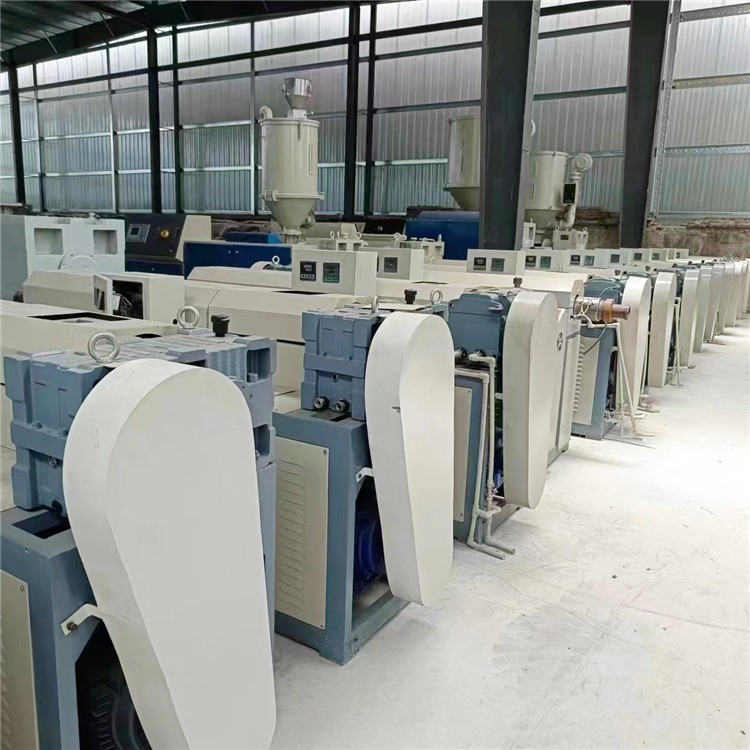
The first and most crucial factor is the condition of the used extrusion machine. A well-maintained machine with minimal wear and tear is more likely to perform reliably and produce consistent results. Before purchasing a used machine, it's essential to conduct a thorough inspection to assess its mechanical and electrical components, including the screw, barrel, heater bands, and control system. Look for signs of corrosion, damage, or excessive wear, as these can affect the machine's performance and lifespan.
Screw Design
The screw design plays a vital role in the extrusion process, especially for composite materials. The screw should be capable of melting the polymer matrix, dispersing the fibers evenly, and maintaining a consistent pressure and flow rate. For composite extrusion, a screw with a high compression ratio and a mixing section is often required to ensure proper fiber impregnation and dispersion. Some used extrusion machines may come with a standard screw design that may not be suitable for composites. In such cases, the screw may need to be replaced or modified to meet the specific requirements of the composite material.
Temperature Control
Temperature control is critical in composite extrusion to prevent thermal degradation of the polymer matrix and ensure proper fiber impregnation. A used extrusion machine should have a reliable temperature control system that can maintain the desired temperature profile throughout the extrusion process. This may involve multiple heater zones along the barrel and a cooling system to regulate the temperature of the molten polymer. It's important to check the accuracy and stability of the temperature control system during the inspection to ensure it can meet the requirements of the composite material.
Feeding System
The feeding system of the extrusion machine is responsible for delivering the polymer matrix and fibers to the barrel. For composite materials, a precise and consistent feeding system is essential to ensure uniform fiber distribution and product quality. Some used extrusion machines may come with a standard feeding system that may not be suitable for composites. In such cases, a specialized feeding system, such as a twin-screw feeder or a gravimetric feeder, may need to be installed to ensure accurate and consistent feeding of the fibers and polymer matrix.
Advantages of Using a Used Extrusion Machine for Composites
Despite the challenges, there are several advantages to using a used extrusion machine for composite materials.
Cost Savings
One of the primary advantages of using a used extrusion machine is cost savings. Used machines are typically available at a lower price compared to new machines, making them a more affordable option for small and medium-sized businesses. This can significantly reduce the initial investment required for composite extrusion and improve the return on investment.
Availability
Another advantage is the availability of used extrusion machines. Unlike new machines, which may have long lead times for delivery, used machines are often readily available for immediate purchase. This can be beneficial for businesses that need to start production quickly or expand their production capacity without waiting for a new machine to be manufactured.
Customization
Used extrusion machines can also be customized to meet the specific requirements of the composite material. For example, the screw design, barrel length, and feeding system can be modified or replaced to improve the machine's performance and compatibility with the composite material. This allows businesses to tailor the machine to their specific needs and achieve better results.
Considerations for Purchasing a Used Extrusion Machine for Composites
If you're considering purchasing a used extrusion machine for composite materials, here are some additional considerations to keep in mind.
Supplier Reputation
When purchasing a used extrusion machine, it's important to choose a reputable supplier with a proven track record in the industry. A reliable supplier will provide detailed information about the machine's history, condition, and performance, and will offer after-sales support and service. Look for suppliers who have experience in selling used extrusion machines for composite materials and who can provide references from satisfied customers.
Machine Testing
Before finalizing the purchase, it's recommended to conduct a machine test to ensure that the used extrusion machine meets your requirements and produces high-quality composite products. This may involve running a sample batch of the composite material through the machine and evaluating the product quality, including the fiber distribution, mechanical properties, and surface finish. If possible, bring your own raw materials to the supplier's facility for testing to ensure accurate results.
Training and Support
Operating a used extrusion machine for composite materials may require specialized knowledge and skills. It's important to choose a supplier who offers training and support to help you get up to speed quickly and ensure the successful operation of the machine. This may include on-site training, technical support, and access to spare parts and maintenance services.
Conclusion
In conclusion, a used extrusion machine can be a viable option for processing composite materials, provided that the machine is in good condition, has the appropriate screw design and temperature control system, and is compatible with the specific requirements of the composite material. By considering the factors discussed in this blog post and working with a reputable supplier, you can find a used extrusion machine that meets your needs and helps you achieve high-quality composite products at a lower cost.
If you're interested in purchasing a used extrusion machine for composite materials, I encourage you to [contact us]([insert contact page URL]) to discuss your requirements and explore our range of Used Extrusion Machine. We have a wide selection of used machines available, including Second Hand Twin Screw Extruder and Drip Irrigation Belt Coiling Machine, and our team of experts can help you choose the right machine for your application.
References
- "Extrusion of Polymer Composites" by John Vlachopoulos and Zoran Tadmor
- "Handbook of Composite Materials" by Suresh V. Garud and Rajiv K. Srivastava
- "Composite Materials: Design and Applications" by David Hull and T. W. Clyne