

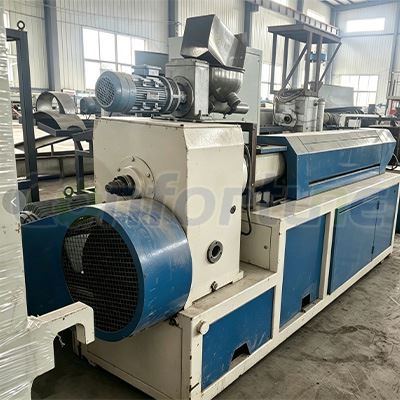
Hey there! If you're in the market for a second - hand extruder, you're probably looking to get the best deal possible. As a second - hand extruder supplier, I've been through countless price negotiations, and I'm here to share some tips on how to negotiate the price of a second - hand extruder.
Know Your Extruder
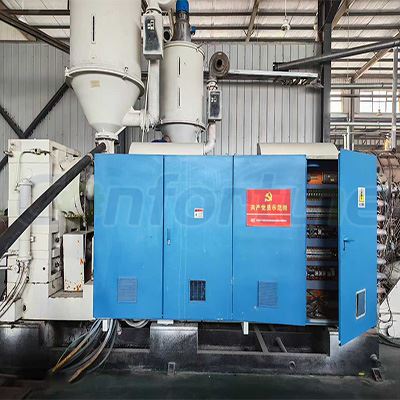
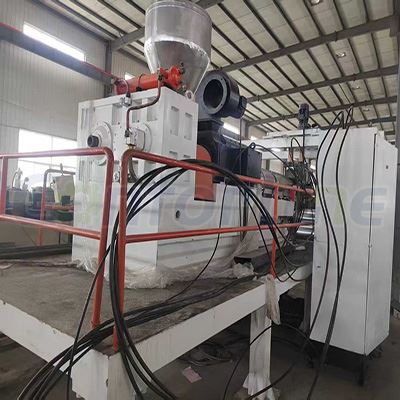
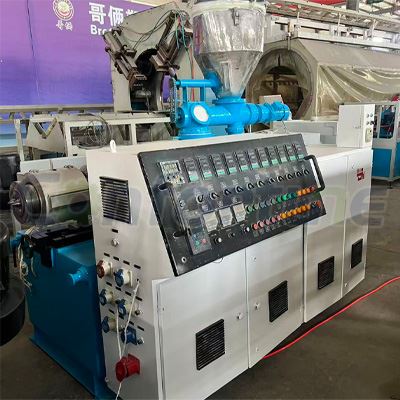
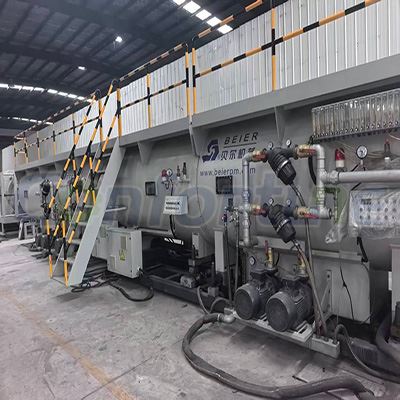
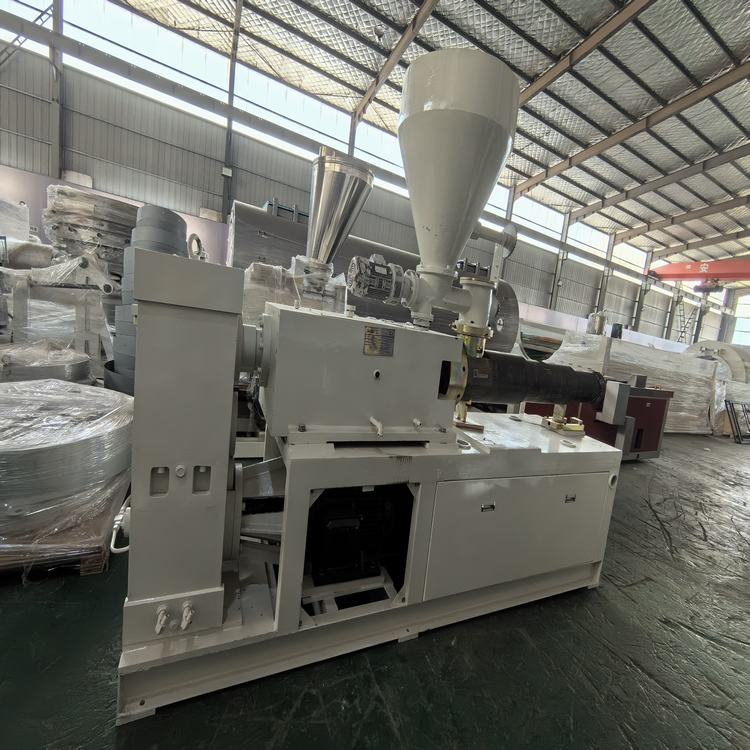
First things first, you need to have a good understanding of the extruder you're interested in. There are different types of extruders out there, like the Used 45mm Single Screw Extruder, Used Conical Twin Screw Extruder, and Used Extrusion Machine. Each type has its own features, advantages, and price range.
Research the typical price for the specific model and type of extruder you want. Look at online marketplaces, industry forums, and ask around in the industry. This will give you a ballpark figure of what a fair price should be. For example, a used 45mm single - screw extruder might have a different price point compared to a used conical twin - screw extruder, depending on factors like its age, condition, and production capacity.
Inspect the Extruder Thoroughly
Before you start negotiating, make sure you inspect the extruder in person if possible. Check for any signs of wear and tear, damage, or malfunction. Look at the mechanical parts, the electrical system, and the overall condition of the machine. If you're not an expert, bring someone who is.
If you find any issues during the inspection, these can be used as bargaining chips. For instance, if the extruder has a minor leak in the hydraulic system, you can mention this to the seller and use it to justify a lower price. Sellers are often more willing to negotiate if they know there are problems that need to be fixed.
Build a Good Relationship with the Seller
Negotiation isn't just about haggling; it's also about building a relationship. Be polite and respectful when communicating with the seller. Ask about the history of the extruder, how it was used, and why they're selling it. Showing genuine interest can make the seller more receptive to your negotiation.
Share your own situation as well. If you're a small business on a tight budget or if you're planning to use the extruder for a specific project, let the seller know. They might be more willing to work with you if they understand your circumstances.
Start with a Reasonable Offer
When you make your initial offer, don't go too low. A ridiculously low offer can offend the seller and end the negotiation right away. Instead, start with a price that's slightly lower than what you're actually willing to pay. This gives you some room to negotiate upwards.
For example, if you think the fair price for the extruder is $10,000, you could start with an offer of $9,000. Explain to the seller why you're making this offer. Maybe you've seen similar extruders at a lower price or you've identified some issues during the inspection.
Be Prepared to Compromise
Negotiation is a two - way street. The seller might not accept your initial offer, and that's okay. Be prepared to make some compromises. You could offer to pay a higher price if the seller is willing to include some additional services, like delivery, installation, or a short - term warranty.
On the other hand, the seller might counter - offer with a price that's higher than your initial offer. In this case, you can try to find a middle ground. For example, if the seller counter - offers at $9,500, you could offer to split the difference and meet at $9,250.
Use Market Conditions to Your Advantage
Keep an eye on the market conditions for second - hand extruders. If there are a lot of similar extruders available for sale, it's a buyer's market. You can use this to your advantage by reminding the seller that there are other options out there.
Conversely, if the supply of the type of extruder you want is limited, the seller might be less willing to negotiate. But you can still try to find other ways to get a better deal, like asking for additional accessories or spare parts.
Be Patient
Negotiation takes time. Don't rush the process. If the seller needs some time to think about your offer, give them that time. Sometimes, waiting a day or two can make a difference.
During the negotiation, stay calm and composed. Don't let your emotions get the better of you. If the negotiation gets heated, take a break and come back to it later.
Consider the Total Cost
When negotiating the price, don't just focus on the upfront cost of the extruder. Consider the total cost of ownership. This includes things like maintenance, repairs, energy consumption, and the cost of spare parts.
If the seller is asking for a higher price but the extruder has a lower energy consumption or comes with a comprehensive set of spare parts, it might actually be a better deal in the long run. Factor these things into your negotiation and make sure you're getting the best overall value.
Follow Up
After you've reached an agreement on the price, make sure you follow up. Get everything in writing, including the price, the terms of the sale, and any additional services or warranties. This protects both you and the seller.
If there are any outstanding issues, like the delivery date or the installation schedule, make sure these are clearly defined in the agreement.
Conclusion
Negotiating the price of a second - hand extruder can be a challenging but rewarding process. By doing your research, building a relationship with the seller, making reasonable offers, and being prepared to compromise, you can increase your chances of getting a great deal.
If you're interested in purchasing a second - hand extruder and want to start the negotiation process, feel free to reach out. I'm here to help you find the right extruder at the best price.

References
- Industry knowledge and experience as a second - hand extruder supplier.
- Online market research on second - hand extruder prices.