

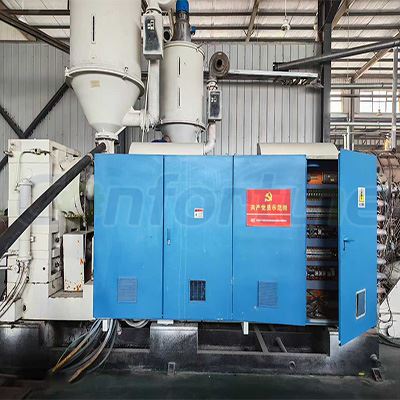
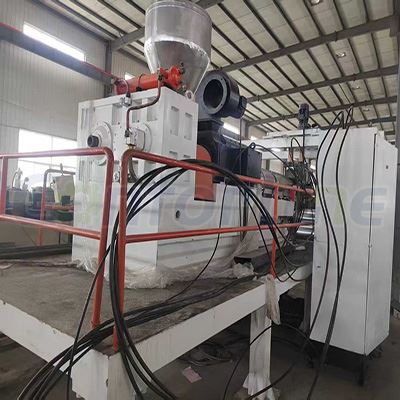
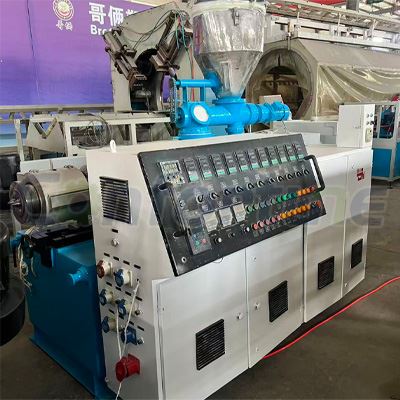
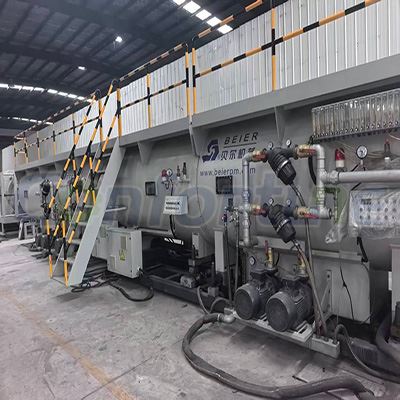
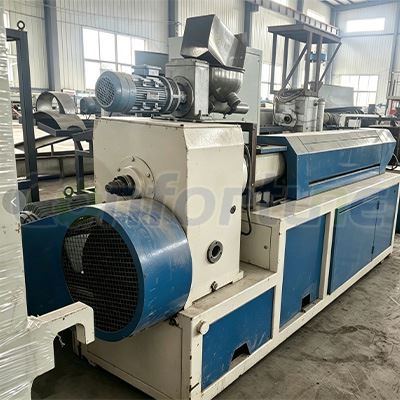
Hey there! As a supplier of second - hand extruders, I've seen firsthand how optimizing the operation process of these machines can make a huge difference in your business. In this blog, I'm gonna share some tips and tricks on how to get the most out of your second - hand extruder.
1. Pre - operation Checks
Before you fire up your second - hand extruder, it's super important to do a thorough pre - operation check. First off, take a look at the overall condition of the machine. Check for any visible signs of wear and tear, like loose belts, frayed wires, or leaking fluids. Make sure all the safety guards are in place and in good condition.
Next, inspect the screws and barrels. Over time, these components can get worn down, which can affect the extrusion process. Look for any signs of corrosion or damage. If you notice any issues, it might be a good idea to replace these parts before starting the machine.
Also, don't forget to check the temperature sensors and controllers. These are crucial for maintaining the right temperature during the extrusion process. A faulty sensor can lead to inconsistent product quality. You can test these sensors by comparing their readings with a reliable thermometer.
2. Material Preparation
The quality of the material you use has a big impact on the operation of your second - hand extruder. First, make sure the material is clean and free of any contaminants. Dirt, dust, or other foreign particles can clog the machine and cause damage.
It's also important to dry the material properly. Most polymers need to be dried to a certain moisture level before extrusion. If the material is too wet, it can cause bubbles or other defects in the final product. You can use a desiccant dryer or a hopper dryer to remove the moisture.
Another thing to consider is the material's particle size. If the particles are too large, they might not melt evenly in the extruder. On the other hand, if they are too small, they can cause feeding problems. Make sure the material has a consistent particle size for optimal performance.


3. Machine Setup
Proper machine setup is key to optimizing the operation of your second - hand extruder. Start by setting the right temperature profile. Different materials require different temperature settings for melting and extrusion. You can refer to the material manufacturer's guidelines to determine the appropriate temperature range.
Next, adjust the screw speed. The screw speed affects the output rate and the quality of the extruded product. If the screw speed is too high, it can cause the material to overheat and degrade. If it's too low, the output rate will be slow. You'll need to find the sweet spot based on the type of material and the desired product.
Also, make sure the die is properly installed and aligned. The die is responsible for shaping the extruded material. A misaligned die can result in uneven products or even damage to the machine. Check the die regularly for any signs of wear or blockages.
4. Maintenance and Lubrication
Regular maintenance is essential for keeping your second - hand extruder running smoothly. This includes cleaning the machine after each use. Remove any residual material from the barrels, screws, and dies. You can use a cleaning compound or a solvent to dissolve the stubborn residues.
Lubrication is also important. Make sure all the moving parts, such as the bearings and gears, are properly lubricated. Use the recommended lubricant for your machine. Over - lubrication can be just as bad as under - lubrication, so follow the manufacturer's guidelines.
In addition, schedule regular inspections and tune - ups. This can help you catch any potential problems before they turn into major issues. You might want to consider hiring a professional technician to perform these inspections.
5. Troubleshooting
Even with proper maintenance and setup, you might encounter some problems with your second - hand extruder. One common issue is poor product quality, such as uneven thickness or surface defects. This could be due to a variety of factors, like incorrect temperature settings, worn - out screws, or a clogged die.
If you notice poor product quality, start by checking the temperature and screw speed. Make sure they are within the recommended range. If the problem persists, inspect the screws and barrels for wear. You might need to replace these parts if they are too worn.
Another common problem is feeding issues. If the material is not feeding properly into the extruder, it could be because the hopper is clogged or the feeder is not working correctly. Check the hopper for any blockages and make sure the feeder is calibrated correctly.
6. Training Your Staff
Having well - trained staff is crucial for optimizing the operation of your second - hand extruder. Make sure your operators understand how the machine works, including all the safety procedures. Provide them with comprehensive training on the pre - operation checks, material preparation, machine setup, and troubleshooting.
You can also encourage your staff to share their experiences and ideas for improving the operation process. They might have some valuable insights based on their day - to - day work with the machine.
7. Upgrading Your Machine
If you find that your second - hand extruder is not meeting your production needs, you might want to consider upgrading it. There are many aftermarket parts and accessories available that can improve the performance of your machine.
For example, you can install a more advanced temperature control system to ensure more precise temperature regulation. You can also upgrade the screws and barrels to ones with better wear resistance.
When looking for upgrades, make sure to choose high - quality parts from reputable suppliers. You can find a wide range of used extruder equipment on our website, including Used Pet Sheet Line Machine, Used 65/132 Extruder Machine, and Used Extrusion Machine.
Conclusion
Optimizing the operation process of a second - hand extruder takes time and effort, but it's definitely worth it. By following these tips, you can improve the performance of your machine, increase the quality of your products, and reduce downtime.
If you're in the market for a second - hand extruder or need help with optimizing your existing machine, feel free to reach out. We're here to assist you with all your extruder needs. Let's work together to take your business to the next level!
References
- "Extrusion of Polymers: Theory and Practice" by John A. Brydson
- "Handbook of Plastic Extrusion Technology" by Frank Hensen