

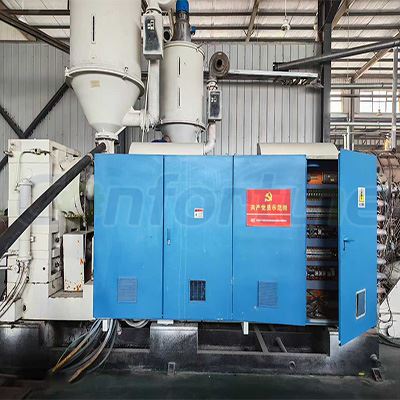
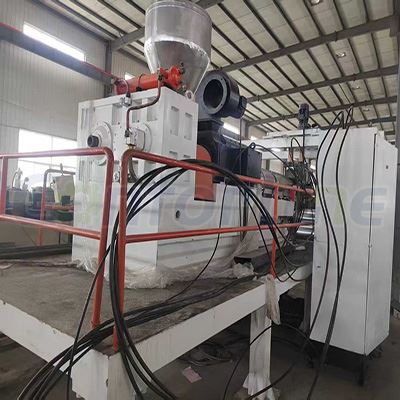
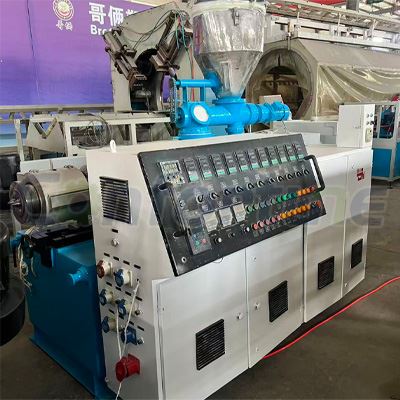
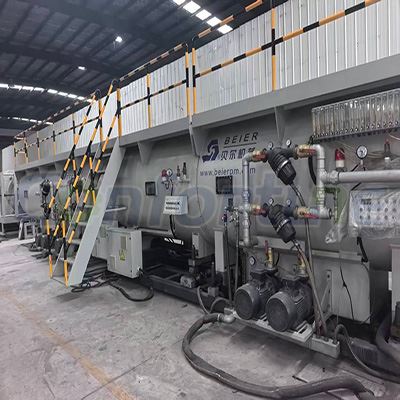
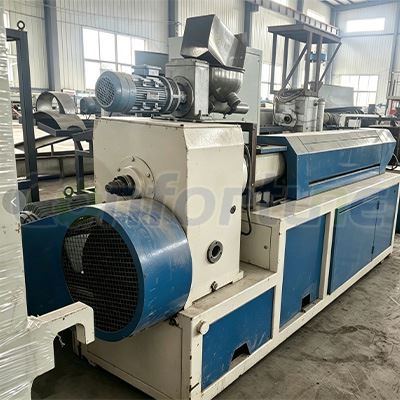
Proper storage of a used pipe machine when it's not in use is crucial to maintain its functionality, extend its lifespan, and ensure it's ready for operation when needed. As a reputable supplier of used pipe machines, I understand the significance of this process and am here to share some valuable insights on how to store these machines effectively.
1. Cleaning the Machine
Before storing the used pipe machine, a thorough cleaning is essential. This step helps prevent the buildup of dirt, debris, and residual materials that can cause corrosion, blockages, or damage to the machine's components over time.
- Exterior Cleaning: Start by using a soft brush or a compressed air gun to remove loose dust and dirt from the machine's exterior. Pay special attention to areas where dirt tends to accumulate, such as corners, crevices, and ventilation openings. Then, use a mild detergent and a clean cloth to wipe down the entire surface of the machine. Rinse with clean water and dry thoroughly to prevent rusting.
- Interior Cleaning: For the interior of the machine, such as the extrusion barrel, screw, and die, it's important to follow the manufacturer's instructions. In general, you can use a suitable cleaning agent to dissolve and remove any remaining plastic or other materials. After cleaning, make sure to dry the interior completely to avoid moisture-related issues.
2. Lubrication
Proper lubrication is vital to protect the moving parts of the used pipe machine during storage. Lubricants create a protective barrier that prevents metal-to-metal contact, reduces friction, and inhibits corrosion.
- Identify Lubrication Points: Refer to the machine's manual to identify all the lubrication points, including bearings, gears, chains, and shafts. These are the areas where lubrication is most critical.
- Apply the Right Lubricant: Use a high-quality lubricant recommended by the manufacturer. Apply the lubricant evenly to each lubrication point, taking care not to over - lubricate, as this can attract dirt and debris.
3. Disconnecting and Protecting Electrical Components
Electrical components are sensitive and can be damaged by moisture, dust, or static electricity during storage.
- Disconnect Power: First, turn off the machine and disconnect it from the power source. This helps prevent electrical hazards and reduces the risk of damage to the electrical system.
- Protect Electrical Connectors: Cover all electrical connectors with protective caps or insulation tape to prevent moisture and dust from entering. You can also use a desiccant packet in the electrical control cabinet to absorb any moisture.
4. Rust Prevention
Rust is one of the biggest enemies of used pipe machines, especially when they are stored for an extended period.
- Use Rust - Inhibiting Coatings: Apply a rust - inhibiting coating to all exposed metal surfaces of the machine. These coatings form a protective layer that prevents oxygen and moisture from reaching the metal, thus preventing rust formation.
- Store in a Dry Environment: Choose a storage location that is dry and well - ventilated. Avoid areas prone to high humidity, such as basements or near water sources. If necessary, use a dehumidifier in the storage area to maintain a low humidity level.
5. Covering the Machine
A good cover can provide an extra layer of protection for the used pipe machine during storage.
- Choose the Right Cover: Select a cover made of a durable, waterproof material that is specifically designed for industrial machinery. The cover should fit the machine snugly to prevent dust, dirt, and moisture from getting inside.
- Secure the Cover: Make sure the cover is securely fastened to the machine. You can use straps or bungee cords to keep the cover in place, especially in areas with high winds.
6. Storage Location
The choice of storage location can significantly impact the condition of the used pipe machine.
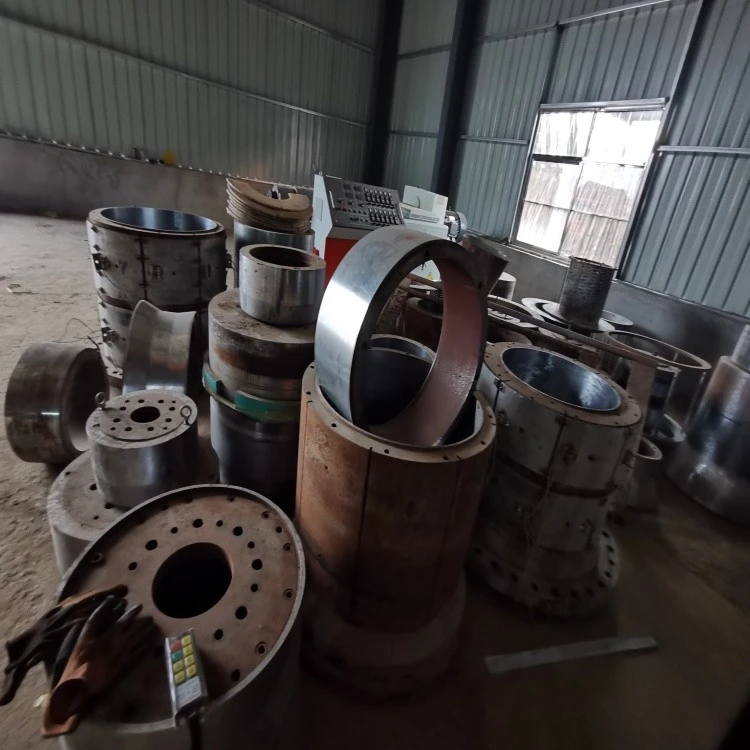

- Indoor Storage: Whenever possible, store the machine indoors in a climate - controlled environment. This helps protect the machine from extreme temperatures, humidity, and weather conditions. An indoor storage facility also reduces the risk of vandalism and theft.
- Level Surface: Place the machine on a level surface to prevent any stress on its frame or components. Uneven surfaces can cause misalignment and damage over time.
7. Regular Inspection
Even when the used pipe machine is in storage, it's important to conduct regular inspections to ensure its condition remains good.
- Inspection Schedule: Set up a regular inspection schedule, for example, once a month or every few months depending on the length of storage.
- Check for Damage: During each inspection, check for any signs of damage, such as rust, corrosion, leaks, or loose parts. If any issues are detected, address them immediately to prevent further damage.
8. Documentation
Keep detailed records of the storage process, including cleaning, lubrication, inspection dates, and any maintenance or repairs performed. This documentation can be useful for future reference and can also help prove the machine's condition when it comes to selling or resuming operations.
As a supplier of used pipe machines, we offer a wide range of high - quality products, including the Second-hand PVC Pipe Extruder Production Line, Used Pvc Pipe Extruder Plastic Extruder Line, and PVC Used Pipe Production Line. If you are interested in purchasing a used pipe machine or have any questions about storage or maintenance, we encourage you to contact us for further discussion and negotiation.
References
- Manufacturer's manuals of used pipe machines
- Industry standards and best practices for industrial machinery storage