

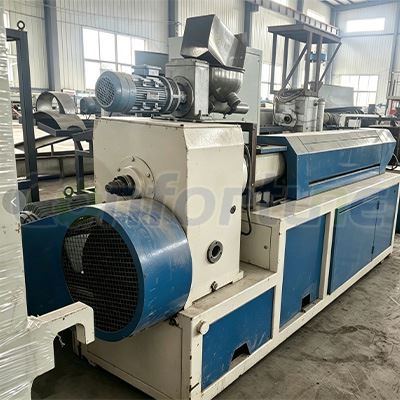
Hey there! As a supplier of old HDPE pipe machines, I often get asked if these machines can produce pipes with good weatherability. Well, let's dive right into this topic and find out.
First off, what's HDPE anyway? HDPE stands for High - Density Polyethylene. It's a thermoplastic polymer made from petroleum. HDPE is known for its high strength - to - density ratio, which makes it a popular choice for pipe manufacturing. Pipes made from HDPE are used in a wide range of applications, from water supply systems to drainage and sewage systems. And weatherability is a crucial factor, especially for pipes that are installed outdoors.
Now, the big question: Can an old HDPE pipe machine produce pipes with good weatherability? The answer isn't a simple yes or no. It depends on a few key factors.
Machine Maintenance
One of the most important factors is the maintenance of the old HDPE pipe machine. If the machine has been well - maintained over the years, it can still produce high - quality pipes with good weatherability. Regular maintenance, such as cleaning, lubrication, and replacement of worn - out parts, can keep the machine in top shape. For example, if the screw of the extruder is in good condition, it can ensure a uniform melt of the HDPE material, which is essential for the quality of the pipes. On the other hand, if the machine has been neglected and has a lot of wear and tear, it may produce pipes with inconsistent quality, which can affect their weatherability.
Material Quality
The quality of the HDPE material used also plays a significant role. Even the best - maintained old machine won't be able to produce pipes with good weatherability if low - quality HDPE is used. High - quality HDPE contains additives that enhance its weather resistance. These additives can protect the pipes from UV radiation, oxidation, and other environmental factors. So, when using an old HDPE pipe machine, it's crucial to source high - quality HDPE materials.
Technological Upgrades
Although it's an old machine, it doesn't mean it can't be upgraded. Some old HDPE pipe machines can be retrofitted with modern technologies to improve their performance. For example, adding a better control system can ensure more precise temperature and pressure control during the pipe manufacturing process. This can lead to more consistent pipe quality and better weatherability.


Let's talk a bit about the benefits of using an old HDPE pipe machine. One of the main advantages is cost - effectiveness. Buying a new HDPE pipe machine can be quite expensive, while an old machine can be a more affordable option, especially for small - to - medium - sized businesses. And if the old machine is in good condition, it can still produce high - quality pipes.
Another benefit is that old machines are often well - proven in the market. They have been used for a long time, and their performance and reliability have been tested. This can give you more confidence in the machine's ability to produce pipes with good weatherability.
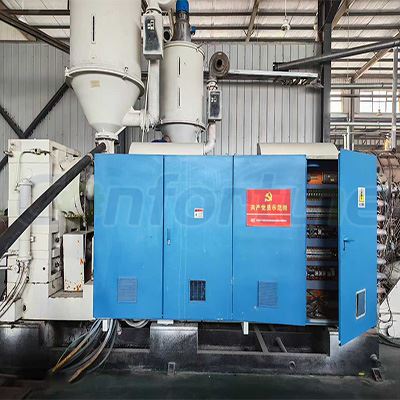
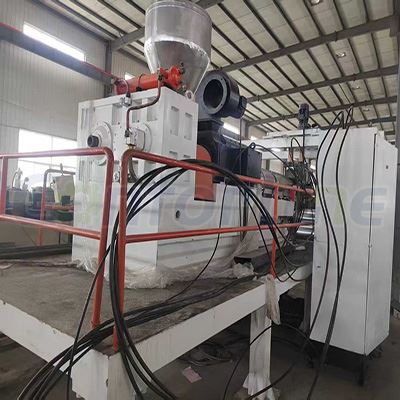
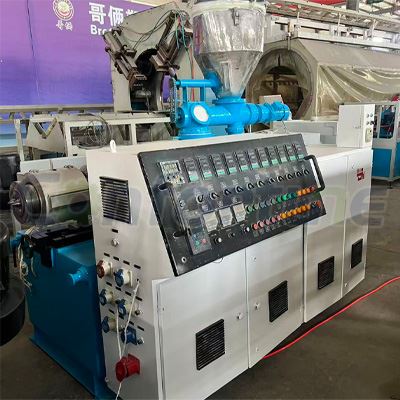
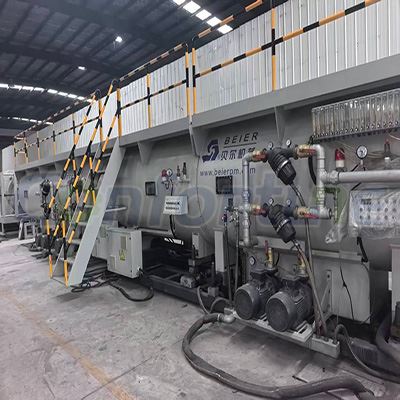
Now, I'd like to introduce some of our products. We offer HDPE Second - hand Plastic Extruder, Used HDPE Pipe Making Machine, and Used Pipe Extrusion Line Equipment. These machines have been carefully inspected and maintained to ensure they can produce high - quality pipes.
If you're in the market for an old HDPE pipe machine, don't hesitate to reach out. We can provide you with detailed information about our machines, their performance, and how they can help you produce pipes with good weatherability. Whether you're a startup looking for an affordable solution or an established business looking to expand your production capacity, we're here to help.
In conclusion, an old HDPE pipe machine can produce pipes with good weatherability if it's well - maintained, high - quality materials are used, and it's potentially upgraded with modern technologies. With the right approach, you can get great results from an old machine at a lower cost. So, if you're interested in our products, contact us for a purchase negotiation. We're looking forward to working with you!
References
- "Plastics Pipe Handbook" by Hans - Joachim Endres and Klaus Nitz.
- "Polyethylene Pipes: Properties, Design, and Applications" by John V. Kennedy.