

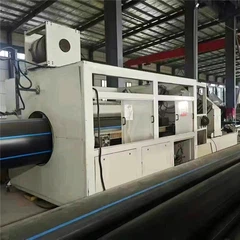
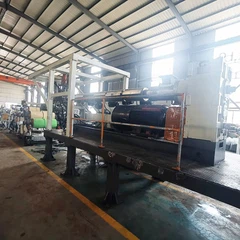
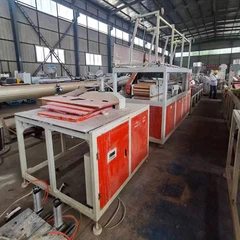
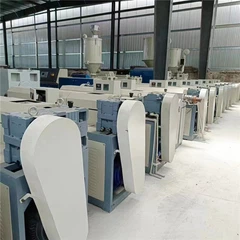

The longevity of a second - hand extruder is a question that concerns many potential buyers in the plastic processing industry. As a second - hand extruder supplier, I've encountered numerous inquiries about this topic. In this blog, I'll share my insights on how long a second - hand extruder can last, taking into account various factors that influence its lifespan.
Factors Affecting the Lifespan of a Second - Hand Extruder
1. Initial Quality and Brand
The original quality of the extruder plays a crucial role in determining its longevity. Well - known brands often use high - quality materials and advanced manufacturing processes. For example, extruders from established European or Japanese manufacturers are generally built to last. These machines are designed with precision, and their components are made of durable materials that can withstand the rigors of continuous operation. A second - hand extruder from a reputable brand is more likely to have a longer lifespan compared to a no - name or low - quality model.
2. Usage History
The way the extruder was used in its previous life significantly impacts its remaining lifespan. If the extruder was used for light - duty applications, such as producing thin plastic films or small plastic parts, it may have less wear and tear. On the other hand, if it was used for heavy - duty tasks like processing high - viscosity plastics or running at high speeds for long periods, the components may be more worn out. For instance, an extruder that was used in a continuous 24/7 production line will likely have more wear on its screws, barrels, and heating elements compared to one that was used intermittently.
3. Maintenance and Care
Proper maintenance is key to extending the lifespan of a second - hand extruder. Regular cleaning, lubrication, and replacement of worn - out parts can keep the machine in good working condition. If the previous owner followed a strict maintenance schedule, the extruder is more likely to have a longer lifespan. For example, changing the filters regularly, checking the alignment of the screws, and ensuring proper cooling of the barrels can prevent premature wear and damage. However, if the extruder was neglected and not maintained properly, it may experience frequent breakdowns and a shorter overall lifespan.
4. Technological Obsolescence
In the rapidly evolving field of plastic extrusion technology, older extruders may become obsolete over time. Newer models often come with improved features such as better energy efficiency, more precise control systems, and enhanced safety features. While a second - hand extruder may still be functional, it may not be able to meet the requirements of modern production processes. For example, if a manufacturer needs to produce high - precision plastic products, an older extruder may not have the necessary accuracy and control.
Typical Lifespan of a Second - Hand Extruder
On average, a well - maintained second - hand extruder can last anywhere from 10 to 20 years. However, this is a rough estimate, and the actual lifespan can vary widely depending on the factors mentioned above.
If the extruder was originally of high quality, used for light - duty applications, and well - maintained, it could potentially last even longer. In some cases, I've seen second - hand extruders that are over 20 years old still operating efficiently. On the other hand, if the extruder was of poor quality, used in harsh conditions, and not maintained properly, its lifespan may be significantly shorter, perhaps only 5 to 10 years.
Extending the Lifespan of a Second - Hand Extruder
1. Regular Maintenance
As mentioned earlier, regular maintenance is essential. This includes cleaning the extruder after each use, lubricating moving parts, and inspecting the electrical and mechanical components. It's also important to follow the manufacturer's recommended maintenance schedule. For example, the screws and barrels should be inspected periodically for wear and replaced if necessary.
2. Upgrades and Retrofits
To keep a second - hand extruder competitive and extend its lifespan, consider upgrading or retrofitting certain components. For example, installing a new control system can improve the precision and efficiency of the extruder. Upgrading the heating elements can also enhance the energy efficiency of the machine.
3. Proper Training
Ensure that the operators are properly trained to use the extruder. Improper operation can cause unnecessary wear and tear on the machine. Training should cover topics such as start - up and shut - down procedures, temperature control, and troubleshooting.


Our Second - Hand Extruder Offerings
At our company, we offer a wide range of second - hand extruders to meet the diverse needs of our customers. We carefully inspect each extruder before offering it for sale to ensure its quality and functionality. Our inventory includes Used Pet Sheet Line Machine, Used Double Wall Bellows Production Line, and Drip Irrigation Belt Coiling Machine.
We understand that investing in a second - hand extruder is a significant decision, and we are committed to providing our customers with the best possible products and services. Our team of experts can help you choose the right extruder for your specific needs and provide guidance on maintenance and operation.
Conclusion
The lifespan of a second - hand extruder depends on multiple factors, including initial quality, usage history, maintenance, and technological obsolescence. With proper care and maintenance, a second - hand extruder can serve you well for many years. If you're in the market for a second - hand extruder, don't hesitate to contact us. We're here to help you find the perfect machine for your production needs.
References
- "Plastic Extrusion Technology Handbook" by John F. Carley
- "Extrusion of Polymers: Theory and Practice" by Christopher Rauwendaal