

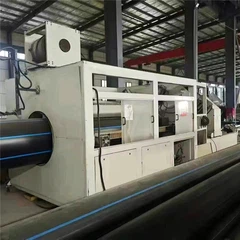
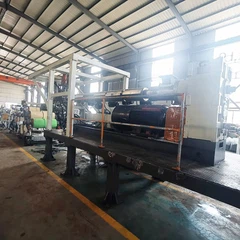
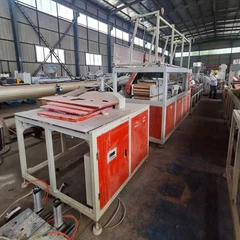
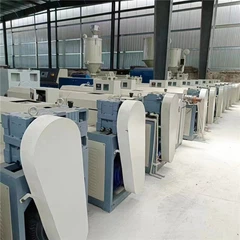

Calibrating a used extruder machine is a crucial process that ensures the machine operates at its optimal performance. As a trusted supplier of used extruder machines, I understand the importance of calibration in maintaining the efficiency and quality of these machines. In this blog, I will guide you through the step-by-step process of calibrating a used extruder machine, sharing valuable insights and tips along the way.
Understanding the Importance of Calibration
Before delving into the calibration process, it's essential to understand why calibration is so important. A well-calibrated extruder machine can significantly enhance the quality of the extruded products, reduce waste, and improve overall productivity. Over time, used extruder machines may experience wear and tear, which can lead to inaccurate temperature control, inconsistent extrusion rates, and other performance issues. Calibration helps to correct these problems, ensuring that the machine operates within the specified parameters.
Pre-Calibration Checks
Before starting the calibration process, it's important to perform a series of pre-calibration checks to ensure the machine is in good working condition. Here are some key steps to follow:
- Visual Inspection: Conduct a thorough visual inspection of the extruder machine to check for any signs of damage, wear, or loose components. Pay special attention to the screws, barrels, heaters, and sensors.
- Cleaning: Clean the extruder machine thoroughly to remove any debris, dust, or residue that may affect its performance. Use a suitable cleaning agent and follow the manufacturer's instructions.
- Lubrication: Check the lubrication levels of the machine and ensure that all moving parts are properly lubricated. This will help to reduce friction and wear, extending the lifespan of the machine.
- Electrical Checks: Inspect the electrical connections and wiring of the machine to ensure they are secure and in good condition. Check for any signs of damage or corrosion.
Calibration Process
Once you have completed the pre-calibration checks, you can proceed with the calibration process. Here are the key steps involved:
-
Temperature Calibration: The temperature of the extruder machine is a critical factor that affects the quality of the extruded products. To calibrate the temperature, you will need a temperature sensor and a calibration device. Follow these steps:
- Set the Target Temperature: Determine the target temperature for the extrusion process based on the type of material being used.
- Install the Temperature Sensor: Install the temperature sensor in the appropriate location on the extruder machine, following the manufacturer's instructions.
- Connect the Calibration Device: Connect the calibration device to the temperature sensor and the extruder machine's control panel.
- Adjust the Temperature Settings: Use the calibration device to adjust the temperature settings of the extruder machine until the actual temperature matches the target temperature.
- Verify the Calibration: Once the temperature has been adjusted, verify the calibration by checking the temperature at different points along the extruder barrel.
-
Pressure Calibration: The pressure of the extruder machine is another important factor that affects the quality of the extruded products. To calibrate the pressure, you will need a pressure sensor and a calibration device. Follow these steps:
- Set the Target Pressure: Determine the target pressure for the extrusion process based on the type of material being used.
- Install the Pressure Sensor: Install the pressure sensor in the appropriate location on the extruder machine, following the manufacturer's instructions.
- Connect the Calibration Device: Connect the calibration device to the pressure sensor and the extruder machine's control panel.
- Adjust the Pressure Settings: Use the calibration device to adjust the pressure settings of the extruder machine until the actual pressure matches the target pressure.
- Verify the Calibration: Once the pressure has been adjusted, verify the calibration by checking the pressure at different points along the extruder barrel.
-
Speed Calibration: The speed of the extruder machine is also an important factor that affects the quality of the extruded products. To calibrate the speed, you will need a speed sensor and a calibration device. Follow these steps:


- Set the Target Speed: Determine the target speed for the extrusion process based on the type of material being used.
- Install the Speed Sensor: Install the speed sensor in the appropriate location on the extruder machine, following the manufacturer's instructions.
- Connect the Calibration Device: Connect the calibration device to the speed sensor and the extruder machine's control panel.
- Adjust the Speed Settings: Use the calibration device to adjust the speed settings of the extruder machine until the actual speed matches the target speed.
- Verify the Calibration: Once the speed has been adjusted, verify the calibration by checking the speed at different points along the extruder barrel.
Post-Calibration Checks
After completing the calibration process, it's important to perform a series of post-calibration checks to ensure the machine is operating correctly. Here are some key steps to follow:
- Test Run: Conduct a test run of the extruder machine to ensure it is operating smoothly and producing high-quality extruded products. Monitor the temperature, pressure, and speed of the machine during the test run.
- Quality Inspection: Inspect the extruded products to ensure they meet the required quality standards. Check for any signs of defects, such as uneven thickness, bubbles, or discoloration.
- Documentation: Document the calibration process, including the target values, actual values, and any adjustments made. This documentation will be useful for future reference and maintenance.
Tips for Calibrating a Used Extruder Machine
Here are some additional tips to help you calibrate a used extruder machine effectively:
- Follow the Manufacturer's Instructions: Always refer to the manufacturer's instructions when calibrating a used extruder machine. The manufacturer's instructions will provide specific guidelines and procedures for calibrating the machine.
- Use the Right Tools: Use the right tools and equipment for the calibration process. This will ensure accurate and reliable results.
- Take Your Time: Calibrating a used extruder machine can be a time-consuming process. Take your time and follow the steps carefully to ensure the calibration is done correctly.
- Seek Professional Help: If you are unsure about any aspect of the calibration process, seek professional help. A qualified technician can provide expert advice and assistance.
Conclusion
Calibrating a used extruder machine is an important process that ensures the machine operates at its optimal performance. By following the steps outlined in this blog, you can calibrate your used extruder machine effectively and improve the quality of your extruded products. As a supplier of used extruder machines, I am committed to providing high-quality machines and excellent customer service. If you are interested in purchasing a used extruder machine or need assistance with calibration, please contact us for more information.