

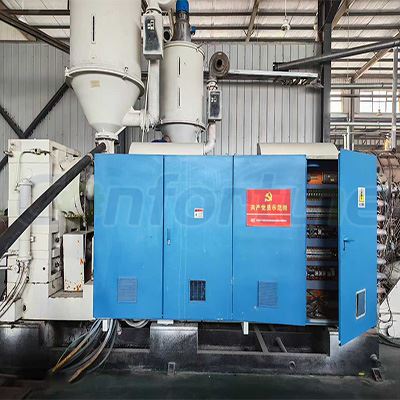
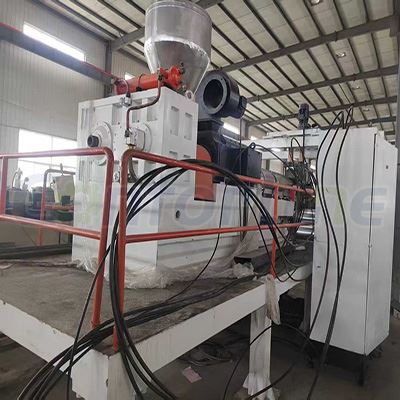
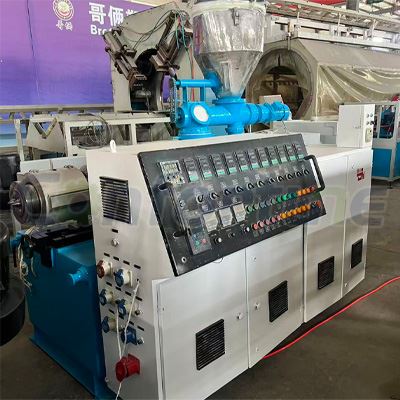
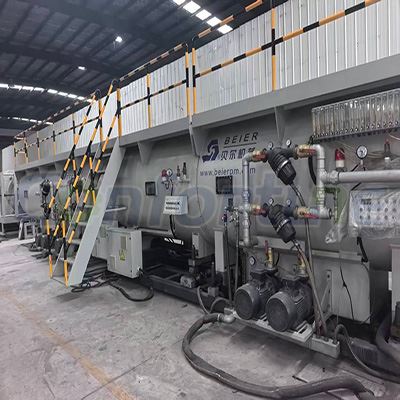
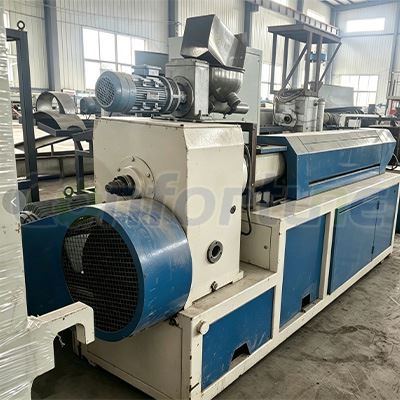
Ensuring the safety of operators when using a used WPVC foam board machine is of utmost importance. As a supplier of used WPVC foam board machines, I understand the significance of providing clear guidelines and safety measures to protect those who operate these machines. In this blog post, I will share some essential tips and strategies to ensure the safety of operators during the use of a used WPVC foam board machine.
Pre - operation Safety Checks
Before starting the used WPVC foam board machine, a series of pre - operation safety checks should be carried out. First, visually inspect the machine for any obvious signs of damage, such as cracks in the frame, loose parts, or frayed wires. Check the lubrication levels of all moving parts. Proper lubrication reduces friction and wear, and also prevents overheating, which can be a safety hazard.
Inspect the safety guards and shields. These are designed to prevent operators from coming into contact with moving parts, hot surfaces, or flying debris. Make sure they are in place and in good condition. If any guards are missing or damaged, they should be replaced immediately.


Verify the functionality of all safety devices, such as emergency stop buttons, overload protection switches, and safety interlocks. Press the emergency stop button to ensure it stops the machine promptly. Test the overload protection to make sure it will shut down the machine in case of excessive load. The safety interlocks should prevent the machine from operating when certain access doors or covers are open.
Operator Training
Proper training is the cornerstone of operator safety. All operators should receive comprehensive training on the used WPVC foam board machine before they are allowed to operate it. The training should cover the machine's basic operation, including how to start, stop, and adjust the settings.
Operators should also be trained on the potential hazards associated with the machine. For example, they need to know that the heating elements can reach very high temperatures and can cause severe burns. They should be taught how to handle and store raw materials safely, as some of the chemicals used in the WPVC foam board production process may be toxic or flammable.
Practical hands - on training is essential. Operators should practice operating the machine under the supervision of an experienced trainer. They should be given the opportunity to make mistakes in a controlled environment and learn from them. Regular refresher training should also be provided to keep operators updated on safety procedures and new operating techniques.
Personal Protective Equipment (PPE)
Personal protective equipment is a must for operators using a used WPVC foam board machine. Safety glasses should be worn at all times to protect the eyes from flying debris, dust, and chemical splashes. Ear protection is necessary because the machine can generate high - decibel noise during operation, which can cause hearing damage over time.
Gloves should be worn to protect the hands from cuts, burns, and chemical exposure. Depending on the nature of the operation, heat - resistant gloves may be required when handling hot parts of the machine, while chemical - resistant gloves are needed when dealing with raw materials.
A safety helmet is recommended, especially in environments where there is a risk of falling objects. Additionally, operators should wear appropriate footwear, such as safety boots with steel toes, to protect their feet from heavy objects or sharp materials.
Machine Maintenance
Regular maintenance of the used WPVC foam board machine is crucial for operator safety. A maintenance schedule should be established and strictly followed. This includes daily, weekly, monthly, and annual maintenance tasks.
Daily maintenance tasks may include cleaning the machine, checking the oil levels, and inspecting for any loose bolts or nuts. Weekly maintenance could involve more in - depth checks, such as examining the conveyor belts for wear and tear, and testing the electrical connections.
Monthly maintenance may include lubricating all moving parts, calibrating the sensors, and checking the alignment of the cutting tools. Annual maintenance should be carried out by a professional technician. This may involve disassembling the machine, inspecting internal components, and replacing any worn - out parts.
By keeping the machine in good working condition, the risk of malfunctions and accidents is significantly reduced.
Hazardous Substances Management
The WPVC foam board production process may involve the use of hazardous substances. These substances should be stored and handled properly to prevent accidents. All hazardous substances should be labeled clearly, indicating their name, properties, and safety precautions.
A dedicated storage area should be set aside for these substances. The storage area should be well - ventilated, away from heat sources, and protected from direct sunlight. It should also be equipped with spill - containment measures, such as spill trays and absorbent materials.
When using hazardous substances, operators should follow strict procedures. For example, they should measure and mix the chemicals in a well - ventilated area, wearing appropriate PPE. Any spills should be cleaned up immediately using the proper cleaning methods and materials.
Emergency Preparedness
Despite all the safety measures in place, emergencies can still occur. Therefore, it is essential to have an emergency preparedness plan. This plan should include procedures for dealing with fires, chemical spills, and medical emergencies.
Fire extinguishers should be readily available near the machine, and operators should be trained on how to use them. In case of a fire, the machine should be shut down immediately, and the emergency evacuation route should be followed.
For chemical spills, there should be a spill - response kit available. Operators should know how to contain the spill, neutralize the chemicals if necessary, and clean up the mess safely.
In the event of a medical emergency, first - aid kits should be easily accessible, and some operators should be trained in first - aid procedures. An emergency contact list should be posted near the machine, including the contact information of the local emergency services.
Related Product Information
If you are also interested in other types of used extrusion machines, we have some great options for you. You can check out our Used Pipe Three Layer Coextrusion Extruder Line, Used Threelayer Coextrusion Extruder Production Line, and Used Plastic PE Single - layer Pipe Production Line. These machines are also carefully inspected and maintained to ensure reliable performance.
Conclusion
Ensuring the safety of operators when using a used WPVC foam board machine requires a combination of pre - operation checks, operator training, personal protective equipment, machine maintenance, hazardous substances management, and emergency preparedness. By following these guidelines, the risk of accidents and injuries can be significantly reduced.
If you are interested in purchasing a used WPVC foam board machine or have any questions about safety measures, please feel free to contact us for more information and to start a procurement negotiation. We are committed to providing you with high - quality machines and comprehensive safety support.
References
- "Industrial Machine Safety Handbook"
- "Safety Standards for Plastic Extrusion Machines"
- "Personal Protective Equipment Guidelines"