

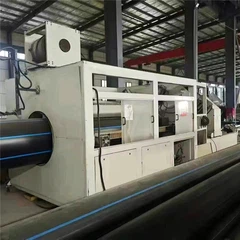
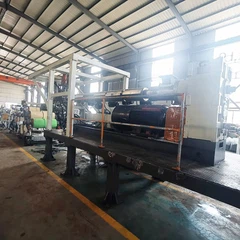
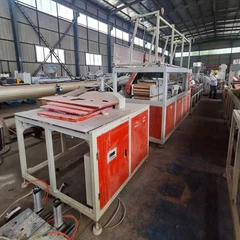
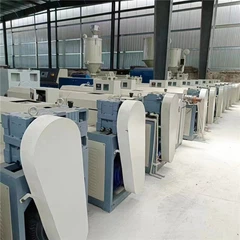

In the dynamic world of plastic pipe manufacturing, the efficient use of energy is not only a cost - saving measure but also an environmentally responsible choice. As a supplier of used pipe extruder machines, I understand the importance of optimizing energy efficiency in these machines. This blog post will explore various strategies to enhance the energy efficiency of a used pipe extruder machine, ensuring that your operations are both cost - effective and sustainable.
Understanding the Basics of Pipe Extruder Energy Consumption
Before delving into the ways to improve energy efficiency, it is crucial to understand how a pipe extruder consumes energy. A typical pipe extruder consists of several components, including the extruder barrel, screw, heating elements, cooling systems, and the drive motor. The extruder barrel and screw are responsible for melting and conveying the plastic material, while the heating elements maintain the appropriate temperature for the plastic to flow. The cooling systems prevent overheating, and the drive motor powers the entire operation.
Energy is consumed in three main areas: heating, cooling, and mechanical drive. Heating accounts for a significant portion of the energy consumption, as the plastic needs to be heated to a specific temperature for extrusion. Cooling is also essential to maintain the quality of the extruded pipe, and the drive motor requires energy to rotate the screw and move the plastic through the extruder.
Upgrading the Heating System
One of the most effective ways to improve energy efficiency is to upgrade the heating system of the used pipe extruder. Older extruders may use traditional resistance heaters, which are less efficient compared to modern induction heaters. Induction heaters work by generating heat directly in the metal of the extruder barrel, rather than heating the air around the barrel. This results in faster heating times and less heat loss, leading to significant energy savings.
Another option is to install a temperature control system that can accurately regulate the heating elements. This ensures that the plastic is heated to the optimal temperature without overheating, which can waste energy. By maintaining a consistent temperature, the extruder can operate more efficiently and produce high - quality pipes.
Optimizing the Screw Design
The screw is a critical component of the pipe extruder, as it is responsible for melting and conveying the plastic material. An optimized screw design can improve the energy efficiency of the extruder by reducing the amount of energy required to melt and transport the plastic.
Modern screw designs are engineered to have a higher compression ratio, which means that they can melt the plastic more effectively. This reduces the need for excessive heating, resulting in energy savings. Additionally, some screws are designed with special geometries that improve the mixing of the plastic, ensuring a more uniform melt and better quality pipes.
Implementing Energy - Saving Cooling Systems
Cooling is an important part of the pipe extrusion process, as it helps to solidify the extruded pipe and maintain its shape. However, traditional cooling systems can be energy - intensive. To improve energy efficiency, consider implementing energy - saving cooling systems such as water - cooled chillers or air - cooled condensers.
Water - cooled chillers are more efficient than air - cooled systems because they can transfer heat more effectively. They use less energy to cool the water, which in turn cools the extruded pipe. Air - cooled condensers, on the other hand, are a more cost - effective option for smaller extruders. They work by dissipating heat into the air, and some modern designs are equipped with energy - saving features such as variable - speed fans.
Regular Maintenance and Inspection
Regular maintenance and inspection of the used pipe extruder are essential for ensuring optimal energy efficiency. Over time, components such as the heating elements, screws, and bearings can wear out, which can increase energy consumption. By performing regular maintenance, you can identify and replace worn - out parts before they cause significant problems.
Inspecting the extruder for leaks, blockages, and other issues can also help to improve energy efficiency. Leaks in the heating system or cooling system can result in energy loss, while blockages in the screw or die can cause the extruder to work harder, consuming more energy.
Using High - Quality Raw Materials
The quality of the raw materials used in the pipe extrusion process can also have an impact on energy efficiency. High - quality plastic resins are easier to melt and process, requiring less energy to reach the desired temperature. They also produce less waste, which means that the extruder can operate more efficiently.
When selecting raw materials, look for those that have a lower melting point and better flow properties. This will reduce the amount of energy required to melt the plastic and improve the overall efficiency of the extrusion process.
Training and Education
Proper training and education of the operators are crucial for maximizing the energy efficiency of the used pipe extruder. Operators should be trained on how to operate the extruder correctly, including how to set the temperature, adjust the screw speed, and monitor the energy consumption.


By providing training and education, operators can learn how to identify and address energy - saving opportunities. They can also be taught how to troubleshoot common problems and perform basic maintenance tasks, which can help to keep the extruder running efficiently.
Investing in Energy - Monitoring Systems
Energy - monitoring systems can provide valuable insights into the energy consumption of the used pipe extruder. These systems can track the energy usage of different components, such as the heating elements, cooling systems, and drive motor. By analyzing the data collected by the energy - monitoring system, you can identify areas where energy is being wasted and take steps to improve efficiency.
Some energy - monitoring systems can also provide real - time feedback to the operators, allowing them to adjust the settings of the extruder to optimize energy consumption. This can help to reduce energy costs and improve the overall performance of the extruder.
Conclusion
Improving the energy efficiency of a used pipe extruder machine is a multi - faceted process that requires a combination of upgrades, maintenance, and operational changes. By implementing the strategies outlined in this blog post, you can reduce energy consumption, lower operating costs, and contribute to a more sustainable manufacturing process.
If you are interested in purchasing a used pipe extruder machine, we offer a wide range of options, including Second-hand /used PVC Pipe Extrusion Production Line, Used And Second Hand PVC Pipe Extrusion Production Line, and Used Jwell Pipe Extruder Production Line. Contact us to discuss your specific requirements and start optimizing your pipe extrusion operations today.
References
- "Plastic Extrusion Technology" by Hanser Publishers
- "Energy Efficiency in Manufacturing" by the Department of Energy