


Hey there! As a supplier of second hand extruder machines, I get asked a lot about the color mixing capabilities of these machines. So, I thought I'd take a moment to share some insights on this topic.
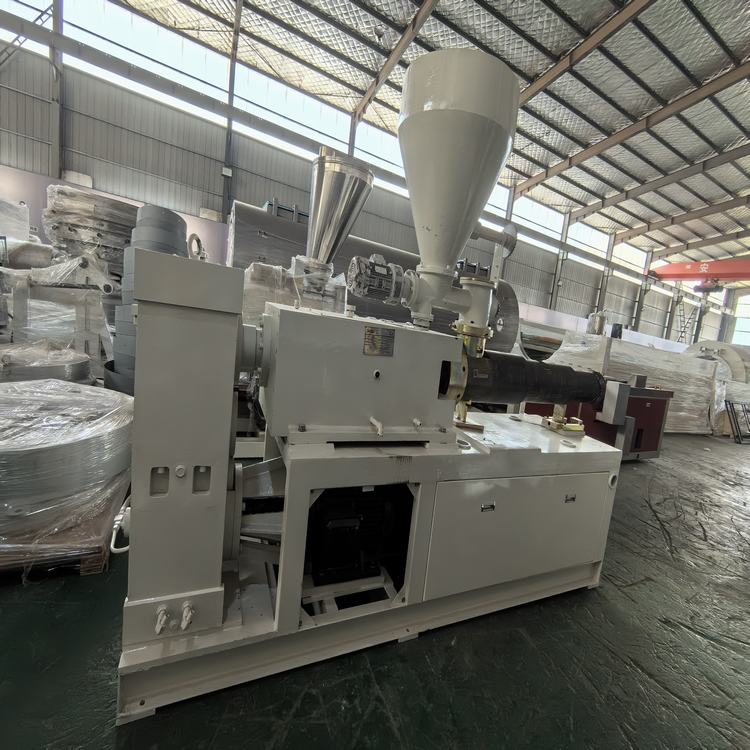

First off, let's talk about what an extruder machine is. An extruder is a device that processes raw materials, typically plastics or rubber, by forcing them through a die to create a specific shape. Second hand extruders are pre - owned machines that can offer a cost - effective solution for businesses looking to get into extrusion or expand their operations.
Color Mixing Basics
Color mixing in an extruder is all about combining different colored materials to achieve the desired final color. There are a few key factors that affect the color mixing capabilities of a second hand extruder machine.
Screw Design
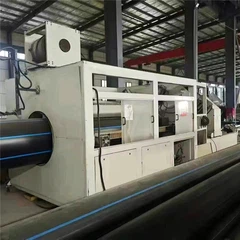
The screw in an extruder plays a crucial role in color mixing. A well - designed screw can effectively blend different colored materials. For example, a screw with a long flight length and a proper compression ratio can provide more mixing opportunities. In a Used Single Screw Extruder, the single screw design has its own unique way of mixing colors. It relies on the rotation of the screw to move the materials forward and mix them. The single screw can be designed with different geometries, such as a barrier screw, which can enhance the mixing of colors by separating the molten and solid phases of the material.
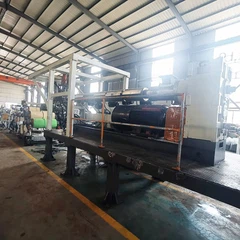
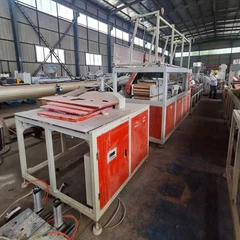
On the other hand, Used Conical Twin Screw Extruders and Old Twin Screw Extruders have two intermeshing screws. These twin - screw designs offer better mixing capabilities compared to single - screw extruders. The intermeshing of the screws creates a complex flow pattern, which helps in more thorough color mixing. The counter - rotating or co - rotating twin screws can knead and shear the materials, breaking up color agglomerates and ensuring a more uniform color distribution.
Barrel Temperature
The temperature of the extruder barrel also affects color mixing. If the temperature is too low, the materials may not melt properly, and the color mixing will be poor. On the other hand, if the temperature is too high, the materials may degrade, which can also impact the final color. For most thermoplastic materials, there is an optimal temperature range for color mixing. In a second hand extruder, it's important to check the barrel heating system to ensure that it can maintain the proper temperature for good color mixing.
Feed System
The feed system of the extruder is another important factor. A good feed system should be able to accurately meter the different colored materials into the extruder. If the feed rate of the colored materials is not consistent, it can lead to uneven color distribution in the final product. Some second hand extruders may come with a simple gravity feed system, while others may have more advanced volumetric or gravimetric feeders. Upgrading the feed system can significantly improve the color mixing capabilities of the extruder.
Advantages of Second Hand Extruders for Color Mixing
One of the main advantages of using a second hand extruder for color mixing is the cost. Buying a new extruder can be quite expensive, especially for small and medium - sized businesses. Second hand extruders offer a more affordable option. You can get a machine with decent color mixing capabilities at a fraction of the cost of a new one.
Another advantage is that second hand extruders are often already set up and calibrated for certain types of materials and color mixing processes. This means that you can start using the machine right away without having to spend a lot of time and money on initial setup and testing.
Limitations and Considerations
However, there are also some limitations to using second hand extruders for color mixing. The age of the machine can be a factor. Older machines may have worn - out parts, such as screws or barrels, which can affect the color mixing performance. It's important to thoroughly inspect the machine before purchasing to ensure that it's in good working condition.
The previous usage of the machine can also impact its color mixing capabilities. If the machine was previously used for processing materials with a high level of contaminants or if it was not properly cleaned between different color runs, it can lead to color contamination in future runs.
Tips for Improving Color Mixing in Second Hand Extruders
- Regular Maintenance: Keep the extruder well - maintained. This includes cleaning the screws, barrels, and feed system regularly. Replace worn - out parts as needed to ensure optimal performance.
- Test Runs: Before starting a large - scale production run, do some test runs with small batches of materials. This will allow you to adjust the settings, such as screw speed, temperature, and feed rate, to achieve the desired color mixing.
- Use High - Quality Colorants: The quality of the colorants you use can also affect the color mixing. Invest in high - quality colorants that are compatible with your materials.
Conclusion
In conclusion, second hand extruder machines can have decent color mixing capabilities, but it depends on several factors such as screw design, barrel temperature, and feed system. While they offer a cost - effective option for businesses, it's important to be aware of the limitations and take steps to ensure optimal color mixing.
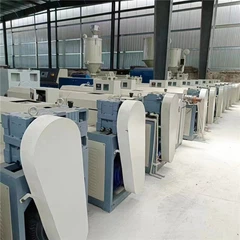
If you're interested in purchasing a second hand extruder for your color mixing needs, don't hesitate to reach out. We have a wide range of Used Single Screw Extruders, Used Conical Twin Screw Extruders, and Old Twin Screw Extruders available. We can help you find the right machine for your specific requirements and provide support to ensure that you get the best color mixing results.
References
- "Extrusion Technology for Beginners" by Anon.
- "Plastics Extrusion Handbook" by Hanser Publishers.