

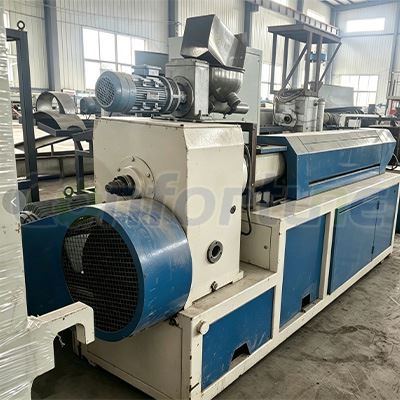
Installing a second - hand extruder can be a cost - effective way for businesses to expand their production capabilities. As a second - hand extruder supplier, I understand the importance of guiding customers through the installation process to ensure a smooth and successful setup. In this blog, I'll share a step - by - step guide on how to install a second - hand extruder, along with some essential tips and considerations.
Pre - installation Preparation
Before you start the actual installation, there are several crucial steps to take. First, you need to choose a suitable location for the extruder. The area should be well - ventilated to prevent the accumulation of fumes and heat generated during the operation of the extruder. It should also have a stable floor that can support the weight of the machine. Measure the dimensions of the extruder carefully and ensure that there is enough space around it for easy access, maintenance, and future upgrades.
Next, check the power supply requirements of the second - hand extruder. Different extruders have different power needs, and it's essential to make sure that your electrical system can provide the appropriate voltage and amperage. Consult an electrician if necessary to ensure that the power supply is safe and reliable.


Inspect the extruder thoroughly upon arrival. Look for any visible damage or signs of wear and tear. Check all the components, such as the screws, barrels, heaters, and motors. If you notice any issues, contact the supplier immediately. As a second - hand extruder supplier, we always strive to provide detailed information about the condition of the machines we sell, but a physical inspection on your end is still crucial.
Unloading and Moving the Extruder
Once you've prepared the installation site, it's time to unload the extruder from the transportation vehicle. Use appropriate lifting equipment, such as a forklift or a crane, to move the extruder safely. Make sure that the lifting points on the extruder are properly secured to prevent any accidents during the unloading process.
When moving the extruder to its final position, be careful not to damage any of the components. Rollers or skids can be used to facilitate the movement. Ensure that the extruder is aligned correctly with the installation site and that it is level. Use a spirit level to check the horizontal and vertical alignment of the machine.
Assembly of the Extruder
If the second - hand extruder was disassembled for transportation, you'll need to reassemble it. Follow the manufacturer's assembly instructions carefully. Start by attaching the barrels to the frame. Make sure that the barrels are properly aligned and tightened. Then, install the screws into the barrels. The screws are the heart of the extruder, and they need to be installed correctly to ensure efficient operation.
Connect the heaters and thermocouples to the barrels. These components are responsible for controlling the temperature inside the extruder, which is crucial for the quality of the extrusion process. Next, install the motor and the gearbox. The motor provides the power for the rotation of the screws, and the gearbox adjusts the speed and torque.
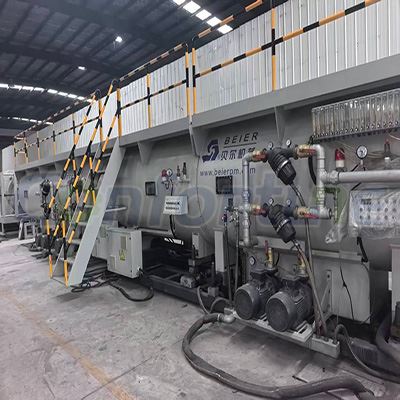
Don't forget to connect the cooling system. Most extruders require a cooling system to prevent overheating. Connect the water pipes or air ducts according to the manufacturer's specifications.
Electrical and Control System Installation
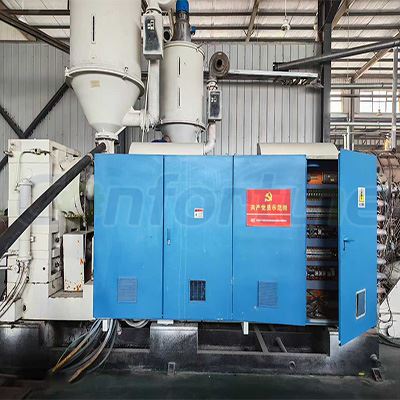
After the mechanical assembly is complete, it's time to install the electrical and control systems. Connect all the electrical wires according to the wiring diagram provided by the manufacturer. Make sure that all the connections are secure and that there are no loose wires.
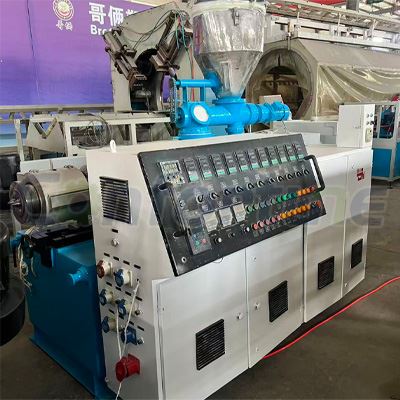
Install the control panel, which allows you to operate and monitor the extruder. Program the control system according to your specific production requirements. Set the temperature profiles, screw speeds, and other parameters. Test the control system to ensure that all the functions are working correctly.
Testing and Commissioning
Once the installation is complete, it's time to test the extruder. Start by performing a dry run without any material. Check the rotation of the screws, the operation of the heaters, and the cooling system. Listen for any abnormal noises or vibrations, which could indicate a problem.
If the dry run is successful, you can start the wet run by feeding a small amount of material into the extruder. Monitor the extrusion process closely. Check the quality of the extruded product, such as its shape, size, and surface finish. Adjust the parameters as needed to achieve the desired results.
Maintenance and Troubleshooting
After the successful installation and commissioning of the second - hand extruder, regular maintenance is essential to ensure its long - term performance. Follow the manufacturer's maintenance schedule, which may include tasks such as lubrication, cleaning, and component replacement.
In case of any problems, refer to the troubleshooting guide provided by the manufacturer. As a second - hand extruder supplier, we also offer technical support to our customers. If you encounter any issues that you can't solve on your own, don't hesitate to contact us.
Our Product Range
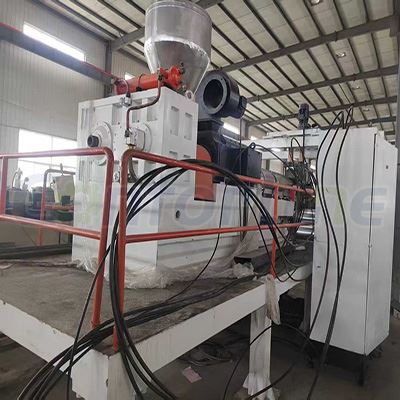
We offer a wide range of second - hand extruders, including the SJSZ80/156 Twin - screw Extruder, Second Hand Plastic Extrusion Machine, and Used Single Screw Extruder. These machines are carefully inspected and refurbished to ensure reliable performance.
Contact Us for Purchase and Consultation
If you're interested in purchasing a second - hand extruder or have any questions about the installation process, we're here to help. Our team of experts can provide you with detailed information about our products and guide you through the entire process, from selection to installation and after - sales support. Don't miss out on the opportunity to enhance your production capabilities with our cost - effective second - hand extruders.
References
- Manufacturer's installation and operation manuals for second - hand extruders.
- Industry standards and best practices for extruder installation and maintenance.