

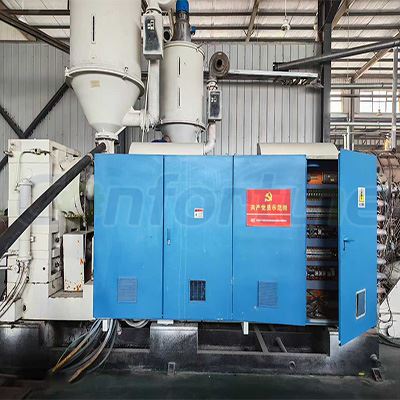
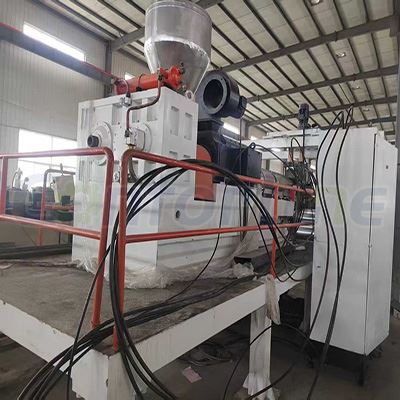
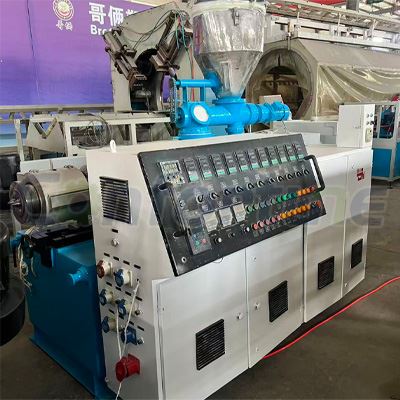
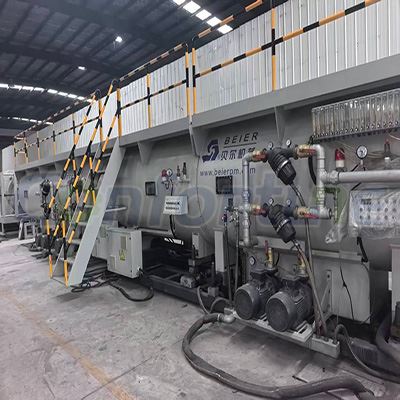
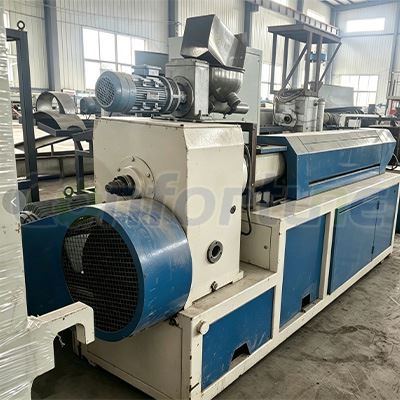
Installing the heating elements of a used plastic pipe extruder is a crucial task that requires careful planning, technical know - how, and attention to detail. As a supplier of used plastic pipe extruders, I've witnessed firsthand the importance of a proper heating element installation for the efficient and reliable operation of these machines. In this blog post, I'll guide you through the process of installing heating elements in a used plastic pipe extruder, from preparation to the final testing phase.
Pre - installation Preparation
Before you start the installation process, it's essential to gather all the necessary tools and materials. This includes a set of wrenches, screwdrivers, electrical testers, and of course, the new heating elements that are compatible with your used plastic pipe extruder. You can find detailed information about the compatible heating elements in the machine's user manual. If you don't have the manual, you can contact the manufacturer or a professional technician for guidance.
Inspect the used extruder thoroughly. Check for any signs of damage or wear on the heating element mounting areas, electrical connections, and the overall structure of the extruder. Look for loose wires, corroded terminals, or any physical damage that could affect the installation or the performance of the new heating elements.
It's also a good idea to clean the extruder, especially the areas where the heating elements will be installed. Remove any dirt, debris, or old insulation that may have accumulated over time. This will ensure a proper fit and good thermal contact between the heating elements and the extruder barrel.
Removing the Old Heating Elements
The first step in the installation process is to remove the old heating elements. Start by disconnecting the power supply to the extruder. This is a critical safety measure to prevent electrical shock. Use a voltage tester to confirm that the power is off before proceeding.
Next, locate the electrical connections of the old heating elements. These are usually in the form of terminals or plugs. Carefully loosen the screws or disconnect the plugs to separate the heating elements from the electrical circuit. Make sure to label the connections or take pictures to ensure that you can reconnect the new heating elements correctly later.
Once the electrical connections are disconnected, use the appropriate wrenches or screwdrivers to remove the mounting bolts or clips that hold the heating elements in place. Gently pull the old heating elements out of their mounting positions. Be careful not to damage the extruder barrel or any other components during this process.
Installing the New Heating Elements
After removing the old heating elements, it's time to install the new ones. Start by placing the new heating elements in the mounting positions. Make sure that they fit snugly and are properly aligned with the extruder barrel. The heating elements should have good thermal contact with the barrel to ensure efficient heat transfer.
Secure the new heating elements in place using the mounting bolts or clips. Tighten them to the recommended torque specified in the manufacturer's instructions. Over - tightening can damage the heating elements or the extruder barrel, while under - tightening can lead to poor thermal contact and inefficient heating.
Reconnect the electrical connections of the new heating elements. Follow the labels or pictures you took earlier to ensure that the connections are made correctly. Double - check the polarity of the connections to avoid any electrical problems.
Electrical Testing
Once the new heating elements are installed and connected, it's time to perform an electrical test. Reconnect the power supply to the extruder, but do it gradually. Start by applying a low voltage and check for any signs of electrical problems, such as short circuits or abnormal current draw.
Use an ammeter to measure the current flowing through the heating elements. Compare the measured current with the rated current specified by the manufacturer. If the current is significantly different, there may be a problem with the installation or the heating elements themselves.
Check the temperature of the extruder barrel using a thermocouple or an infrared thermometer. The temperature should rise steadily as the heating elements start to heat up. Monitor the temperature closely to ensure that it reaches the desired operating temperature within a reasonable time.
Final Checks and Adjustments
After the electrical test, perform a final inspection of the installation. Check all the connections again to make sure they are tight and secure. Look for any signs of overheating, such as discoloration or melting of the insulation.
Adjust the temperature control settings of the extruder according to the requirements of the plastic material you will be using. Different plastics have different melting points and processing temperatures, so it's important to set the temperature correctly to ensure a high - quality extrusion process.
Run a test extrusion using a small amount of plastic material. Observe the performance of the extruder, including the flow of the plastic, the temperature control, and the overall quality of the extruded pipe. If there are any issues, make the necessary adjustments to the heating elements, temperature settings, or other parameters.


Related Product Information
If you're in the market for a used plastic pipe extruder, we offer a variety of options, including the 710 - 1200mm HDPE Pipe Line, Used PE Single - layer Production Line, and Old Pipe Production Line. These machines are carefully inspected and refurbished to ensure reliable performance.
Contact for Purchase and Negotiation
If you have any questions about the installation process, or if you're interested in purchasing a used plastic pipe extruder, please feel free to contact us. Our team of experts is ready to assist you with all your needs. Whether you need technical support, product information, or a customized solution, we're here to help.
References
- Plastic Extrusion Technology Handbook, Second Edition, by John F. Carley
- Extrusion: The Definitive Processing Guide and Handbook, by Christopher Rauwendaal