

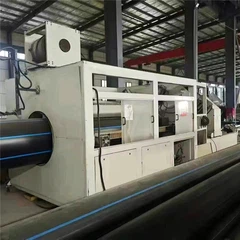
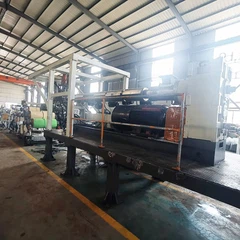
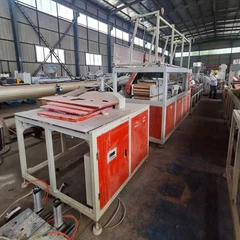
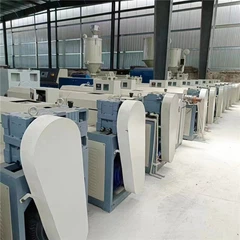

In the realm of plastic pipe manufacturing, an Old HDPE Pipe Machine can be a cornerstone of production efficiency when properly maintained. Lubrication is one of the most critical aspects of this maintenance, as it directly affects the performance, longevity, and reliability of the machine. As a supplier of Old HDPE Pipe Machines, I understand the importance of this process and am here to guide you through the steps to effectively lubricate the moving parts of such a machine.
Understanding the Need for Lubrication
Before delving into the lubrication process, it's essential to understand why lubrication is necessary. In an Old HDPE Pipe Machine, the moving parts work in tandem to transform raw HDPE materials into high - quality pipes. These parts include screws, gears, bearings, and chains. During operation, friction occurs between these components. Friction not only generates heat, which can lead to thermal expansion and premature wear of the parts, but it also consumes additional energy, reducing the overall efficiency of the machine.
Lubrication serves multiple purposes. Firstly, it reduces friction between the moving parts, thereby minimizing wear and tear. This extends the lifespan of the components, reducing the frequency of replacements and associated costs. Secondly, it helps to dissipate heat, keeping the machine at an optimal operating temperature. Thirdly, lubrication can prevent corrosion and rust, especially in areas where the machine is exposed to moisture or harsh environmental conditions.
Selecting the Right Lubricant
Choosing the appropriate lubricant is the first step in the lubrication process. The type of lubricant you select depends on several factors, including the type of moving part, the operating conditions of the machine, and the manufacturer's recommendations.

-
For Bearings: Bearings in an Old HDPE Pipe Machine are subjected to high radial and axial loads. A high - quality grease with excellent anti - wear and load - carrying properties is usually recommended. Greases with a lithium or calcium complex thickener are commonly used, as they offer good resistance to water and oxidation.
-
For Gears: Gears require a lubricant that can provide a thick film of protection between the teeth to prevent metal - to - metal contact. Gear oils with high viscosity and extreme - pressure additives are ideal for this purpose. Synthetic gear oils are often preferred due to their superior performance at high temperatures and under heavy loads.
-
For Chains: Chains need a lubricant that can penetrate into the links and provide long - lasting lubrication. A chain lubricant with good adhesion properties will prevent it from flinging off during operation. Some chain lubricants also contain anti - corrosion agents to protect the chain from rust.
As a supplier, we can provide you with detailed information on the recommended lubricants for different parts of the Old HDPE Pipe Machine. You can also refer to the machine's manual for specific lubricant specifications.
Lubrication Process
1. Preparation
Before lubricating the machine, it is crucial to ensure that it is turned off and has cooled down. This not only protects you from potential burns but also prevents the lubricant from being burned off due to high temperatures.
Next, clean the areas around the moving parts to be lubricated. Remove any dirt, debris, or old lubricant. You can use a clean, dry cloth or a mild cleaning agent for this purpose. Make sure that no cleaning residue remains on the parts, as it can contaminate the new lubricant.
2. Lubricating Bearings
Locate the bearing housings in the Old HDPE Pipe Machine. Most bearings have grease fittings or access points for relubrication. Using a grease gun, apply the appropriate amount of grease to the bearing. The amount of grease required depends on the size of the bearing and the manufacturer's recommendations.
Do not over - grease the bearings, as this can cause excessive heat build - up and potentially damage the bearings. After greasing, wipe off any excess grease from the outside of the bearing housing.
3. Lubricating Gears
For gear lubrication, you can use a gear oil applicator or pour the oil directly into the gearbox, following the manufacturer's instructions. Make sure that the oil level is within the recommended range. If the gearbox has a sight glass, you can easily check the oil level.
Some gearboxes may require regular oil changes. Consult the machine's manual to determine the recommended oil change interval. When changing the oil, drain the old oil completely and flush the gearbox with a cleaning oil if necessary before adding new oil.
4. Lubricating Chains
To lubricate the chains, first, run the machine for a short period to allow the chain to move. Then, apply the chain lubricant evenly along the length of the chain while it is running. Make sure that the lubricant penetrates into the links and joints of the chain.
For chains that are exposed to a dirty environment, it may be necessary to clean the chain periodically before relubricating. You can use a chain cleaner or a degreaser to remove dirt and old lubricant.
Maintenance Schedule
Establishing a regular maintenance schedule for lubrication is essential for the optimal performance of the Old HDPE Pipe Machine. The frequency of lubrication depends on factors such as the operating hours of the machine, the type of lubricant used, and the environmental conditions.
For example, bearings may need to be lubricated every few operating hours or days, while gearboxes may require oil changes every few months or years. Chains may need to be lubricated daily or weekly, depending on the usage.
Keep a record of the lubrication activities, including the date, type of lubricant used, and the parts lubricated. This record can help you track the maintenance history of the machine and identify any potential issues early on.
Importance of Qualified Technicians
While the lubrication process may seem straightforward, it is recommended to have qualified technicians perform the lubrication and maintenance tasks. These technicians have the knowledge and experience to handle the machine safely and effectively. They can also identify any signs of wear or damage during the lubrication process and take appropriate measures to address them.
As a supplier of Old HDPE Pipe Machines, we can provide you with access to professional technicians who can assist you with lubrication and other maintenance services. Our technicians are trained to work on a variety of machine models and can ensure that your machine is in top - notch condition.
Conclusion
Proper lubrication of the moving parts of an Old HDPE Pipe Machine is crucial for its smooth operation, efficiency, and longevity. By selecting the right lubricant, following the correct lubrication process, and adhering to a regular maintenance schedule, you can ensure that your machine performs at its best.
If you are in the market for a Second - hand /Used PE Pipe, a Refurbished PE Pipe Extrusion Production Line, or a Used HDPE Pipe Making Machine, we can offer you high - quality products and professional advice on maintenance and lubrication.
If you have any questions or would like to discuss your specific needs, please feel free to reach out. We are here to help you make the most of your investment in an Old HDPE Pipe Machine.
References
- "Maintenance Guide for Plastic Extrusion Machines", Industry Standard Publications.
- Manufacturer's Manuals for Old HDPE Pipe Machines.