

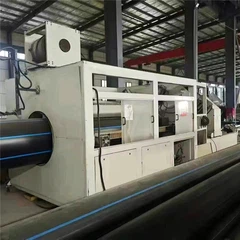
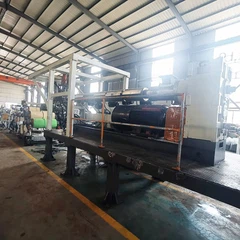
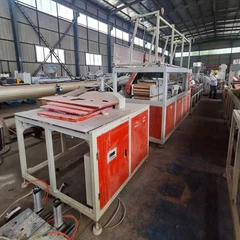
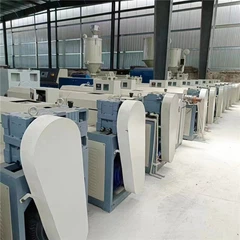

Hey there! As a supplier of used pipe machines, I often get asked about the vibration levels of these machines during operation. It's a crucial aspect, as excessive vibration can lead to a bunch of problems, from reduced product quality to potential damage to the machine itself. So, let's dive into what the vibration level of a used pipe machine during operation really means and why it matters.
Understanding Vibration in Used Pipe Machines
First off, what causes vibration in a used pipe machine? Well, there are several factors. One of the main ones is the mechanical components within the machine. For example, bearings, gears, and motors all have moving parts, and over time, these parts can wear out. When they do, they can cause imbalance, which in turn leads to vibration. Another factor could be the misalignment of parts. If the extruder screw isn't properly aligned, it can create uneven forces within the machine, resulting in vibration.


The type of material being processed also plays a role. Different materials have different flow properties, and if the machine isn't calibrated correctly for the material, it can cause the machine to vibrate. For instance, PVC Foam Board has unique characteristics compared to other plastics, and processing it without the right settings can lead to increased vibration.
Measuring Vibration Levels
Now, how do we measure the vibration levels of a used pipe machine? There are a few common methods. One is using accelerometers. These devices can be attached to different parts of the machine, such as the motor or the extruder barrel. They measure the acceleration of the machine's movement, which can then be used to calculate the vibration level.
Another way is through visual inspection. Experienced technicians can often tell a lot about the vibration level just by looking at the machine in operation. They can observe any excessive shaking or rattling and determine if it's within an acceptable range.
In general, vibration levels are measured in terms of amplitude and frequency. Amplitude refers to the size or intensity of the vibration, while frequency is how often the vibration occurs. Industry standards usually define acceptable ranges for both amplitude and frequency, depending on the type and size of the machine.
Why Vibration Levels Matter
So, why should we care about the vibration levels of a used pipe machine? Well, for starters, excessive vibration can have a big impact on product quality. When a machine vibrates too much, it can cause inconsistencies in the pipe's diameter, wall thickness, and surface finish. This means that the pipes produced may not meet the required specifications, which can lead to customer dissatisfaction and potential returns.
Vibration can also take a toll on the machine itself. Over time, the constant shaking can cause parts to loosen or break. This can result in increased maintenance costs and downtime for repairs. In some cases, if the vibration isn't addressed promptly, it can even lead to a complete breakdown of the machine, which is a major headache for any business.
Controlling Vibration Levels in Used Pipe Machines
As a supplier of used pipe machines, we take steps to ensure that our machines have acceptable vibration levels. Before selling a machine, we thoroughly inspect and test it. We check for any signs of wear and tear in the mechanical components and replace them if necessary. We also make sure that all parts are properly aligned and calibrated.
For customers who already have a used pipe machine, there are several things they can do to control vibration levels. Regular maintenance is key. This includes lubricating moving parts, tightening loose bolts and screws, and replacing worn-out components. Additionally, operators should make sure that they are using the correct settings for the material they are processing. For more information on our Used PVC Pipe Extruder Production Line, please visit our website.
The Impact of Vibration on Operator Safety
Let's not forget about the impact of vibration on operator safety. Excessive vibration can cause discomfort and fatigue for the machine operators. Over a long period, it can even lead to more serious health issues, such as hand-arm vibration syndrome. This is a condition that affects the nerves, blood vessels, and muscles in the hands and arms, causing pain, numbness, and reduced grip strength.
To mitigate these risks, it's important to ensure that the machine is operating within the acceptable vibration limits. Operators should also be provided with appropriate personal protective equipment, such as anti-vibration gloves. Additionally, work schedules can be adjusted to limit the amount of time operators spend working on vibrating machines.
Comparing Vibration Levels in Different Types of Used Pipe Machines
Not all used pipe machines are created equal when it comes to vibration levels. For example, Used PVC Pipe Extrusion Machine may have different vibration characteristics compared to machines used for processing other materials. The design and construction of the machine also play a significant role.
Screw-type extruders, for instance, tend to have more vibration than gear-type extruders. This is because the rotating screw creates a pulsating force that can cause the machine to vibrate. On the other hand, gear-type extruders may have less vibration due to their more stable and uniform motion.
How to Choose a Used Pipe Machine with Low Vibration
When you're in the market for a used pipe machine, it's important to consider the vibration levels. Here are some tips to help you choose a machine with low vibration:
- Do your research: Look for machines that have a good reputation for low vibration. You can read reviews from other customers or ask for recommendations from industry experts.
- Inspect the machine in person: If possible, visit the seller and see the machine in operation. Pay attention to any signs of excessive vibration, such as shaking or rattling.
- Ask for test results: Reputable sellers should be able to provide you with test results showing the vibration levels of the machine. This can give you a better idea of its performance.
- Consider the machine's age and condition: Older machines may be more prone to vibration due to wear and tear. Look for a machine that has been well-maintained and has relatively low hours of operation.
Conclusion
In conclusion, the vibration level of a used pipe machine during operation is a critical factor that can affect product quality, machine reliability, and operator safety. As a supplier, we're committed to providing our customers with machines that have acceptable vibration levels. By understanding the causes of vibration, measuring it correctly, and taking steps to control it, you can ensure that your used pipe machine operates smoothly and efficiently.
If you're interested in purchasing a used pipe machine or have any questions about vibration levels, feel free to get in touch with us. We'd be happy to help you find the right machine for your needs and provide you with all the information you need to make an informed decision.
References
- "Handbook of Plastics Extrusion Technology" by Bryan A. Griffiths
- "Plastics Extrusion Dies: Design and Engineering Computations" by John A. Brydson