

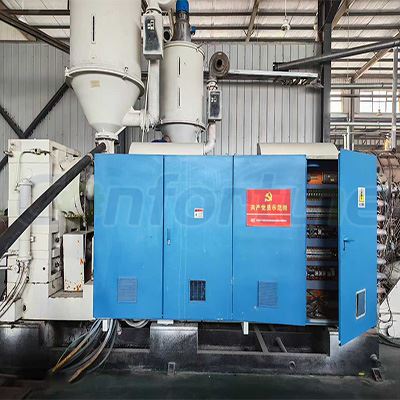
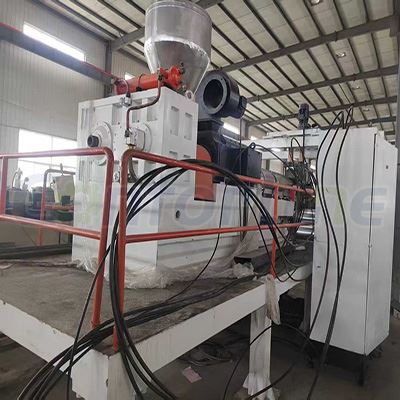
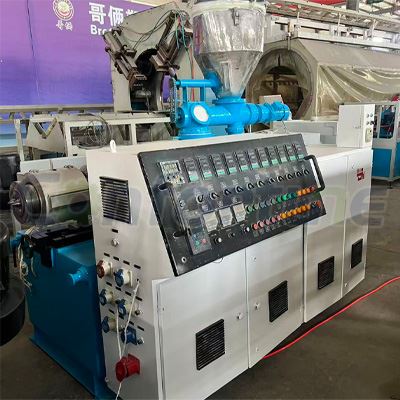
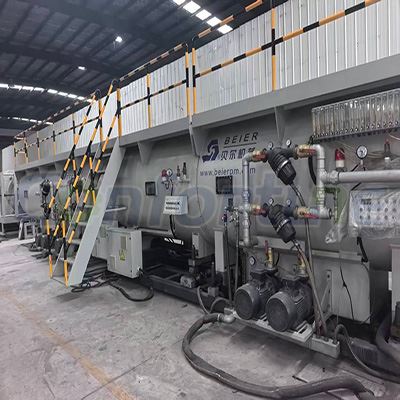
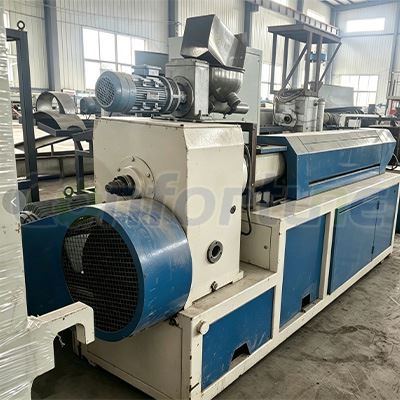
As a supplier of used pipe extruder machines, I understand the significance of maintaining these valuable assets in top - notch condition. One of the most common and detrimental issues that used pipe extruder machines face is corrosion. Corrosion can not only reduce the efficiency of the machine but also lead to costly repairs and even premature replacement. In this blog, I'll share some practical tips on how to prevent the corrosion of a used pipe extruder machine.
Understanding the Causes of Corrosion
Before diving into prevention methods, it's essential to understand what causes corrosion in the first place. Corrosion is a natural process that occurs when metal reacts with its environment. In the case of pipe extruder machines, several factors can contribute to corrosion:
- Moisture: Water is one of the primary culprits behind corrosion. If the machine is exposed to high humidity or comes into contact with water during operation or storage, it can initiate the corrosion process. For example, if the production area has poor ventilation and high moisture levels, the metal parts of the extruder are at risk.
- Chemicals: The materials used in pipe extrusion, such as polymers and additives, may contain chemicals that can be corrosive to the machine's metal components over time. Additionally, cleaning agents used to maintain the machine can also cause corrosion if they are not properly selected.
- Temperature variations: Extreme temperature changes can cause condensation on the machine's surface. This condensed water can lead to rust and corrosion, especially if the machine is not adequately protected.
Regular Cleaning and Maintenance
One of the most effective ways to prevent corrosion is through regular cleaning and maintenance. Here are some steps to follow:
- Clean after each use: After the extrusion process is complete, clean the machine thoroughly to remove any residual materials. Use a soft brush or cloth to wipe down the surfaces, and make sure to remove any debris that may have accumulated. For hard - to - reach areas, compressed air can be used to blow out dirt and dust.
- Use appropriate cleaning agents: Select cleaning agents that are specifically designed for use on metal surfaces and are non - corrosive. Avoid using abrasive cleaners that can scratch the metal, as these scratches can act as starting points for corrosion.
- Inspect for damage: During the cleaning process, inspect the machine for any signs of damage, such as cracks or chips in the metal. These areas are more susceptible to corrosion, and if detected early, they can be repaired before corrosion sets in.
Protective Coatings
Applying protective coatings to the machine's metal surfaces is another effective way to prevent corrosion. There are several types of coatings available:
- Paint: A high - quality paint can provide a barrier between the metal and the environment. Make sure to choose a paint that is resistant to chemicals and abrasion. Before applying the paint, the surface should be properly prepared by sanding and cleaning to ensure good adhesion.
- Powder coating: Powder coating is a durable and long - lasting option. It is applied electrostatically and then cured under heat, forming a hard, protective layer. Powder - coated surfaces are more resistant to scratches, chemicals, and moisture compared to painted surfaces.
- Anti - corrosion sprays: These sprays can be used to provide a quick and easy protective layer. They are especially useful for hard - to - reach areas or for spot - treating areas that are at high risk of corrosion.
Proper Storage
Proper storage of the used pipe extruder machine when it is not in use is crucial for preventing corrosion. Here are some storage guidelines:
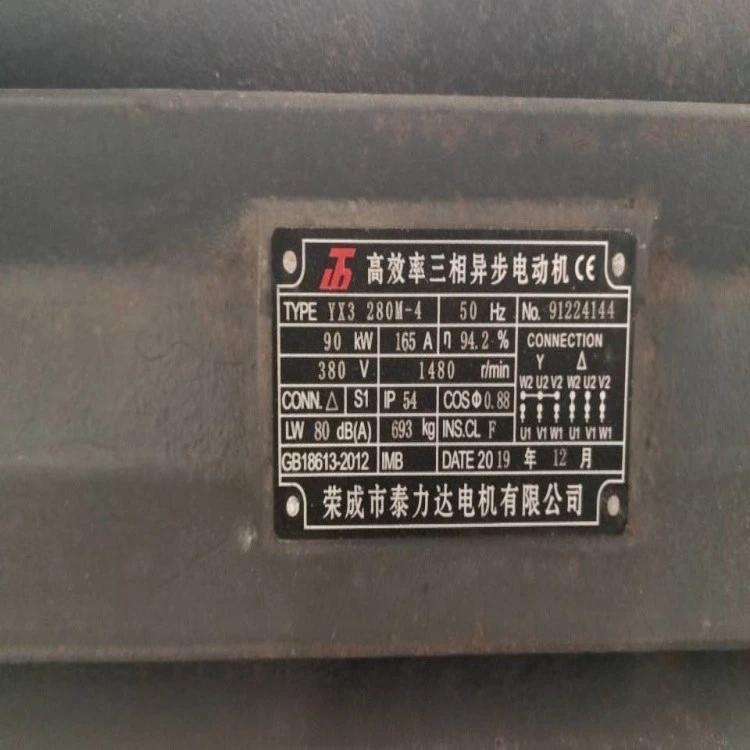

- Dry environment: Store the machine in a dry area with low humidity. If possible, use a dehumidifier to control the moisture levels in the storage space.
- Cover the machine: Use a protective cover to shield the machine from dust, dirt, and moisture. The cover should be made of a breathable material to prevent condensation from forming inside.
- Elevate the machine: Place the machine on a raised platform or pallet to prevent it from coming into contact with the ground, which may be damp.
Monitoring and Testing
Regular monitoring and testing can help detect early signs of corrosion and allow for timely intervention. Here are some methods:
- Visual inspection: Conduct regular visual inspections of the machine to look for any signs of rust or discoloration. Pay close attention to areas that are prone to corrosion, such as joints, welds, and areas exposed to chemicals.
- Non - destructive testing: Non - destructive testing methods, such as ultrasonic testing or magnetic particle testing, can be used to detect internal corrosion or defects in the metal without damaging the machine.
Training and Staff Awareness
Ensuring that your staff is well - trained in the proper operation and maintenance of the used pipe extruder machine is essential for corrosion prevention. Provide training on the following:
- Corrosion awareness: Educate your staff about the causes and effects of corrosion and the importance of prevention.
- Proper handling and cleaning procedures: Train your staff on the correct way to handle the machine, clean it, and use protective coatings.
Case Studies
Let's take a look at some real - world examples of how these prevention methods have worked. One of our clients, who purchased a Second Hand Hdpe Pipe Production Line, implemented a comprehensive maintenance plan. They cleaned the machine after each use, applied a powder coating to the metal surfaces, and stored the machine in a dry, climate - controlled environment. As a result, they were able to extend the lifespan of the machine by several years and avoid costly corrosion - related repairs.
Another client, using a Used PE Pipe Plastic Extruder Production Line, noticed some early signs of corrosion on the joints. They immediately applied an anti - corrosion spray and repaired the damaged areas. By taking these proactive measures, they were able to prevent the corrosion from spreading and maintained the machine's performance.
Conclusion
Preventing the corrosion of a used pipe extruder machine is a multi - faceted process that requires regular cleaning, proper maintenance, the use of protective coatings, and careful storage. By understanding the causes of corrosion and implementing these prevention methods, you can ensure that your machine remains in good working condition for a long time.
If you're in the market for a used pipe extruder machine or need more information on corrosion prevention, we're here to help. Our 800mm Pipe Line and other products are of high quality and come with our expert advice on maintenance. Contact us to start a discussion about your specific needs and how we can assist you in making the right purchase.
References
- "Corrosion Prevention in Industrial Machinery" - A technical guide published by an industry - leading organization.
- "Handbook of Metal Coatings and Surface Treatments" - A comprehensive resource on protective coatings for metals.
- "Best Practices for Machine Maintenance in the Plastics Industry" - An industry report highlighting the importance of maintenance for plastic extrusion machines.