


Hey there! As a supplier of second - hand extruders, I've had my fair share of dealing with both single - screw and twin - screw extruders. And let me tell you, they're like two different beasts in the world of plastic processing. In this blog, I'll break down the key differences between these two types of second - hand extruders to help you make a more informed decision when you're in the market for one.
1. Structure and Design
First off, let's talk about the most obvious difference: the number of screws. A single - screw extruder, as the name suggests, has just one screw rotating inside a barrel. It's a pretty straightforward design. The screw has a continuous helical flight that moves the plastic material from the hopper towards the die. It's like a big corkscrew pushing the plastic forward.
On the other hand, a twin - screw extruder has two screws. These screws can be arranged in different ways: co - rotating or counter - rotating. Co - rotating twin - screw extruders have screws that rotate in the same direction, while counter - rotating ones rotate in opposite directions. This double - screw setup adds an extra layer of complexity to the design but also brings some unique advantages.
2. Mixing and Compounding
When it comes to mixing and compounding plastics, twin - screw extruders are the clear winners. The two screws in a twin - screw extruder interact with each other in a way that provides intense mixing. As the screws rotate, they create multiple shear zones where the plastic gets thoroughly mixed. This is great for adding additives, fillers, or colorants to the plastic. If you're looking to produce high - quality, well - mixed plastic products, a twin - screw extruder is the way to go.


Single - screw extruders, however, are not as efficient at mixing. The mixing in a single - screw extruder mainly happens through the friction between the plastic and the barrel wall and the screw flight. While it can still do a decent job of melting and conveying the plastic, it may not provide the same level of homogeneous mixing as a twin - screw extruder. So, if your process doesn't require a high degree of mixing, a single - screw extruder might be sufficient.
3. Output and Throughput
In terms of output and throughput, twin - screw extruders generally have an edge. The double - screw design allows for a higher volume of plastic to be processed in a given time. The two screws work together to push the plastic through the extruder faster, resulting in a higher production rate. This makes twin - screw extruders a popular choice for large - scale manufacturing operations where high throughput is crucial.
Single - screw extruders, on the other hand, have a lower output capacity. The single screw can only move so much plastic at a time. But hey, if you have a smaller - scale operation or you don't need a super high production rate, a single - screw extruder can still be a cost - effective option.
4. Processing Capabilities
Twin - screw extruders are more versatile when it comes to processing different types of plastics. They can handle a wider range of viscosities and can process materials that are more difficult to extrude. For example, they're great for processing engineering plastics that require high - temperature and high - shear processing. The intense mixing and high - pressure capabilities of twin - screw extruders make them suitable for a variety of applications, from producing complex profiles to compounding high - performance plastics.
Single - screw extruders are more commonly used for processing simple thermoplastics like polyethylene and polypropylene. They're well - suited for applications where the plastic doesn't require a lot of modification or where the process is relatively straightforward, such as producing basic plastic pipes or sheets.
5. Cost
Cost is always a factor when you're buying a second - hand extruder. Generally, single - screw extruders are cheaper than twin - screw extruders. They have a simpler design, which means lower manufacturing costs, and this is reflected in the price of second - hand units. If you're on a tight budget, a single - screw extruder can be a more affordable option.
However, you also need to consider the long - term costs. Twin - screw extruders may have a higher upfront cost, but they can offer better efficiency and higher quality output, which can lead to cost savings in the long run. For example, the better mixing in a twin - screw extruder can reduce waste and improve product quality, which can translate into higher profits.
6. Maintenance
Maintenance is another important aspect to consider. Single - screw extruders are generally easier to maintain. They have fewer moving parts, which means there's less that can go wrong. The screw and barrel in a single - screw extruder can be relatively easy to access and replace if needed.
Twin - screw extruders, on the other hand, are more complex and require more maintenance. The two - screw setup means there are more components that need to be inspected and maintained. The screws need to be properly aligned, and the gearbox and other drive components also require regular attention. However, if you take good care of a twin - screw extruder, it can have a long and productive life.
Examples of Our Second - Hand Extruders
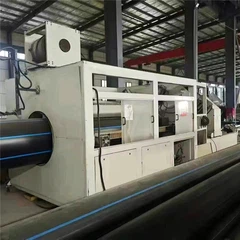
We have a great selection of both single - screw and twin - screw second - hand extruders in our inventory. For instance, we have the Used 80/156 Extruder, which is a high - quality twin - screw extruder that can provide excellent mixing and high throughput. It's a great option for those looking to scale up their production.
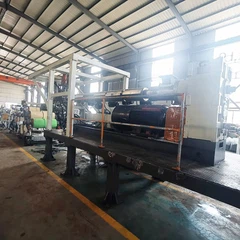
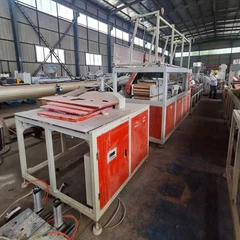
If you're in the market for a second - hand PVC extruder, we also have the Second Hand PVC Extruder Machine. This machine can be either a single - screw or twin - screw extruder, depending on your specific needs. It's suitable for producing PVC pipes, profiles, and other products.
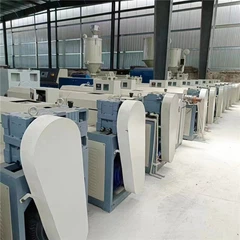
Another popular option is the SJSZ80/156 Twin - screw Extruder. This co - rotating twin - screw extruder is known for its efficient mixing and high - speed operation. It's a workhorse in the plastic processing industry.
Making the Right Choice
So, how do you decide which type of second - hand extruder is right for you? Well, it all depends on your specific needs and budget. If you need high - quality mixing, high throughput, and the ability to process a wide range of plastics, a twin - screw extruder is probably the way to go. But if you're on a tight budget and your process is relatively simple, a single - screw extruder can be a great option.
If you're still not sure, feel free to reach out to us. We have a team of experts who can help you evaluate your requirements and choose the best second - hand extruder for your business. Whether you're a small - scale manufacturer or a large - scale operation, we're here to assist you in finding the perfect extruder to meet your production goals.
In conclusion, both single - screw and twin - screw second - hand extruders have their own advantages and disadvantages. By understanding the differences between them, you can make a more informed decision and get the most out of your investment. So, don't hesitate to contact us if you're interested in purchasing a second - hand extruder. We're looking forward to helping you take your plastic processing business to the next level.
References
- "Plastics Extrusion Technology Handbook" by Allan A. Griff.
- "Extrusion of Polymers: Theory and Practice" by James L. White and Paul D. Morgan.