

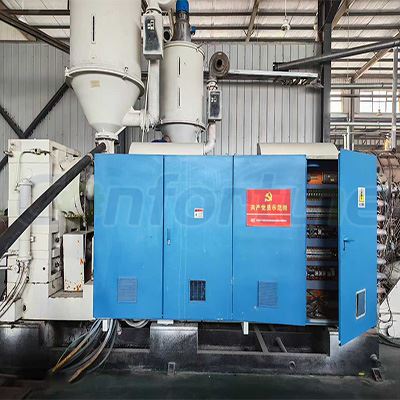
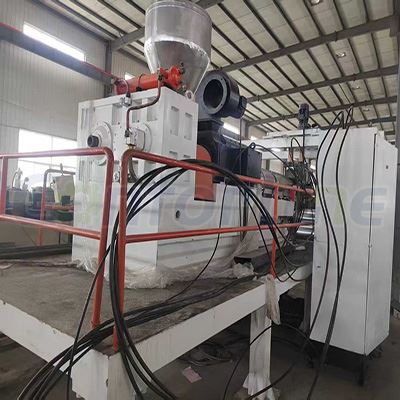
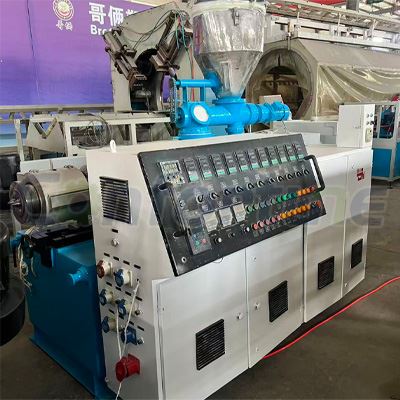
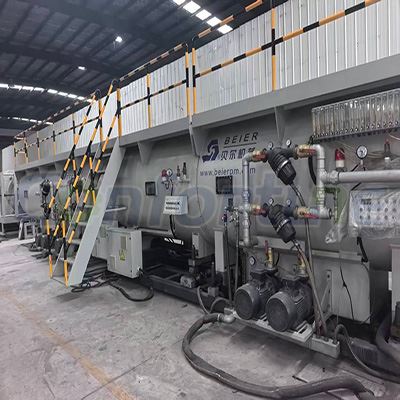
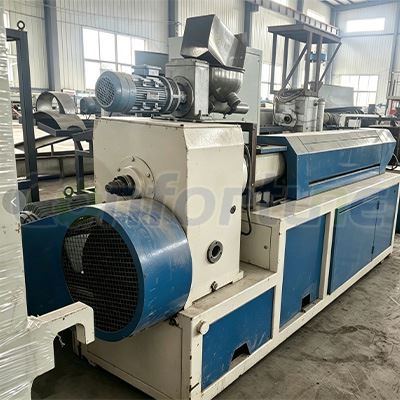
Improving the extrusion efficiency of used extruder equipment is a crucial concern for manufacturers aiming to optimize production processes and enhance profitability. As a trusted supplier of used extruder equipment, I understand the challenges faced by businesses in achieving maximum efficiency. In this blog post, I will share some valuable insights and practical tips on how to improve the extrusion efficiency of your used extruder equipment.
Understanding the Basics of Extrusion Efficiency
Before delving into the strategies for improving extrusion efficiency, it is essential to understand the key factors that influence it. Extrusion efficiency refers to the ability of an extruder to convert raw materials into finished products with minimal waste, energy consumption, and downtime. Several factors can impact extrusion efficiency, including the type of extruder, the quality of raw materials, the operating conditions, and the maintenance practices.
Selecting the Right Used Extruder Equipment
The first step in improving extrusion efficiency is to select the right used extruder equipment for your specific application. When choosing a used extruder, consider the following factors:
- Capacity: Ensure that the extruder has the capacity to meet your production requirements. A larger extruder may be more efficient for high-volume production, while a smaller extruder may be suitable for low-volume or specialty applications.
- Type: Different types of extruders are designed for specific applications. For example, single-screw extruders are commonly used for processing plastics, while twin-screw extruders are more suitable for compounding and mixing.
- Condition: Inspect the used extruder thoroughly to ensure that it is in good working condition. Look for signs of wear and tear, such as damaged screws, barrels, or heaters, and ensure that all components are functioning properly.
- Compatibility: Make sure that the used extruder is compatible with the raw materials you plan to use. Some extruders may require specific types of resins or additives, so it is important to choose an extruder that can handle your desired materials.
Optimizing the Operating Conditions
Once you have selected the right used extruder equipment, the next step is to optimize the operating conditions to improve extrusion efficiency. Here are some tips to help you optimize the operating conditions:


- Temperature Control: Maintaining the correct temperature is crucial for achieving optimal extrusion efficiency. Different materials require different temperature ranges, so it is important to follow the manufacturer's recommendations for temperature settings. Use temperature sensors and controllers to monitor and adjust the temperature of the extruder barrel, die, and other components.
- Screw Speed: The screw speed of the extruder affects the throughput and quality of the extruded product. A higher screw speed can increase the throughput, but it may also result in higher energy consumption and lower product quality. Experiment with different screw speeds to find the optimal speed for your specific application.
- Feed Rate: The feed rate of the extruder determines the amount of raw material that is fed into the extruder. A consistent feed rate is essential for achieving uniform extrusion and preventing blockages or fluctuations in the extruded product. Use a feeder or dosing system to control the feed rate and ensure that it is consistent throughout the extrusion process.
- Die Design: The design of the die plays a crucial role in determining the shape, size, and quality of the extruded product. A well-designed die can improve the flow of the molten material and reduce the pressure drop, resulting in higher extrusion efficiency. Consider using a die with a streamlined design and smooth surfaces to minimize friction and improve the quality of the extruded product.
Maintaining the Used Extruder Equipment
Regular maintenance is essential for ensuring the long-term performance and efficiency of the used extruder equipment. Here are some maintenance tips to help you keep your extruder in good working condition:
- Cleaning: Clean the extruder regularly to remove any dirt, debris, or residual material that may accumulate in the barrel, screw, die, or other components. Use a cleaning compound or solvent recommended by the manufacturer to clean the extruder thoroughly.
- Lubrication: Lubricate the moving parts of the extruder, such as the screws, bearings, and gears, to reduce friction and wear. Use a high-quality lubricant recommended by the manufacturer and follow the recommended lubrication schedule.
- Inspection: Inspect the used extruder equipment regularly to identify any signs of wear and tear, such as damaged screws, barrels, or heaters. Replace any worn or damaged components promptly to prevent further damage and ensure the safe and efficient operation of the extruder.
- Calibration: Calibrate the temperature sensors, pressure gauges, and other instruments of the extruder regularly to ensure that they are accurate and reliable. Use a calibration kit or service provided by the manufacturer to calibrate the instruments.
Investing in Upgrades and Retrofits
In some cases, investing in upgrades and retrofits can significantly improve the extrusion efficiency of your used extruder equipment. Here are some upgrades and retrofits that you may consider:
- Screw Upgrades: Upgrading the screws of the extruder can improve the mixing and melting performance, resulting in higher extrusion efficiency and better product quality. Consider using screws with a more advanced design, such as barrier screws or mixing screws, to improve the performance of the extruder.
- Heating and Cooling Systems: Upgrading the heating and cooling systems of the extruder can improve the temperature control and reduce the energy consumption. Consider using more efficient heaters and coolers, such as electric heaters or water-cooled systems, to improve the performance of the extruder.
- Control Systems: Upgrading the control systems of the extruder can improve the automation and precision of the extrusion process. Consider using a programmable logic controller (PLC) or a human-machine interface (HMI) to control the extruder and monitor the operating conditions in real-time.
- Die Upgrades: Upgrading the die of the extruder can improve the shape, size, and quality of the extruded product. Consider using a die with a more advanced design, such as a multi-layer die or a co-extrusion die, to improve the performance of the extruder and produce more complex products.
Conclusion
Improving the extrusion efficiency of used extruder equipment requires a combination of careful selection, optimization of operating conditions, regular maintenance, and investment in upgrades and retrofits. By following the tips and strategies outlined in this blog post, you can enhance the performance and profitability of your extrusion process and achieve your production goals.
If you are interested in purchasing used extruder equipment or need further assistance in improving the extrusion efficiency of your existing equipment, please do not hesitate to contact us. Our team of experts is dedicated to providing you with the highest quality used extruder equipment and professional support to help you succeed in your business.
References
- Smith, J. (2019). Extrusion Technology for Plastics. Hanser Publications.
- Throne, J. L. (2017). Plastics Extrusion Technology. Hanser Publications.
- Michaeli, W. (2016). Extrusion Dies for Plastics and Rubber. Hanser Publications.