

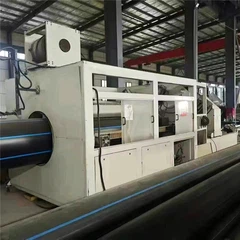
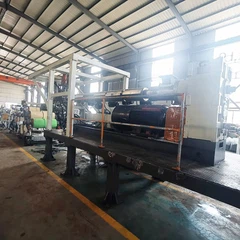
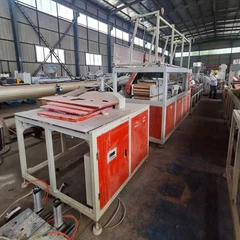
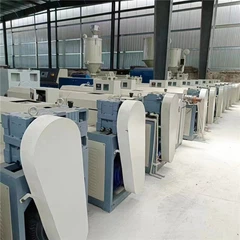

Hey there! As a supplier of Used HDPE Pipe Machines, I've got a ton of experience in this industry. One of the most common questions I get asked is about the environmental requirements for using these machines. So, let's dive right in and explore what you need to know.
Temperature and Humidity
First off, temperature and humidity play a crucial role in the operation of a Used HDPE Pipe Machine. HDPE, or High-Density Polyethylene, is a thermoplastic material. It's sensitive to temperature changes. For optimal performance, the operating temperature of the machine should be between 20°C and 30°C (68°F - 86°F). If it gets too cold, the HDPE might not melt properly, leading to issues like uneven pipe walls or poor extrusion quality. On the other hand, if it's too hot, the material could degrade, affecting the strength and durability of the pipes.
Humidity also matters. High humidity can cause moisture to be absorbed by the HDPE pellets. This can lead to bubbles or voids in the pipes during the extrusion process. Ideally, the relative humidity in the operating environment should be kept below 60%. You might need to use dehumidifiers in areas with high humidity to maintain the right conditions.
Ventilation
Proper ventilation is a must when using a Used HDPE Pipe Machine. During the extrusion process, the HDPE material is heated to high temperatures, and this can release fumes. These fumes can contain volatile organic compounds (VOCs) and other potentially harmful substances. Without adequate ventilation, these fumes can build up in the workspace, posing health risks to the operators.
A well-ventilated area helps to remove these fumes and maintain a safe working environment. You can install exhaust fans or ventilation systems that are designed to handle the specific requirements of the HDPE extrusion process. This not only protects the health of the workers but also helps to prevent any potential damage to the machine from the buildup of fumes.
Dust and Cleanliness
The workspace where the Used HDPE Pipe Machine is located should be kept clean and free of dust. Dust can contaminate the HDPE pellets, which can then affect the quality of the pipes. It can also get into the moving parts of the machine, causing wear and tear and potentially leading to breakdowns.
Regular cleaning of the machine and the surrounding area is essential. You can use vacuum cleaners to remove dust from the floors and surfaces. Make sure to also clean the hopper and other parts of the machine where the HDPE pellets are stored and processed. This will help to ensure that the pipes produced are of high quality and that the machine operates smoothly.
Power Supply
A stable power supply is crucial for the proper functioning of a Used HDPE Pipe Machine. Fluctuations in power can cause the machine to malfunction, leading to inconsistent pipe production and potential damage to the equipment. It's important to have a reliable power source that can provide the required voltage and current.
If you're in an area with an unstable power grid, you might need to consider using a voltage stabilizer or an uninterruptible power supply (UPS). This will help to protect the machine from power surges and outages, ensuring that it can operate continuously without any issues.


Noise and Vibration
Used HDPE Pipe Machines can generate a significant amount of noise and vibration during operation. Excessive noise can be a nuisance to the operators and can also cause hearing damage over time. Vibration can also affect the accuracy of the extrusion process and can lead to premature wear and tear of the machine components.
To reduce noise, you can install soundproofing materials in the workspace. You can also use vibration dampeners to minimize the impact of vibration on the machine and the surrounding environment. This will help to create a more comfortable and safe working environment for everyone involved.
Space Requirements
The Used HDPE Pipe Machine requires a certain amount of space to operate efficiently. You need to have enough room for the machine itself, as well as for the storage of raw materials and finished pipes. The machine should be placed in an area where there is easy access for maintenance and repair.
Make sure to leave enough clearance around the machine to allow for proper ventilation and to prevent any potential hazards. You also need to consider the space required for the loading and unloading of materials. This will help to ensure that the production process runs smoothly and that there are no bottlenecks.
Why Choose Our Used HDPE Pipe Machines?
At our company, we offer high-quality Used HDPE Pipe Machines that are designed to meet the environmental requirements we've discussed. Our machines are thoroughly inspected and refurbished to ensure optimal performance. We also provide comprehensive after-sales support to help you get the most out of your investment.
If you're interested in learning more about our products, you can check out our Second-hand Production Line For PE Pipe Extrusio, Used Pipe Extrusion Equipment Production Line For Sale, and Used HDPE Pipe Extrusion Machine. These links will take you to more detailed information about our products and their features.
If you have any questions or are interested in purchasing a Used HDPE Pipe Machine, don't hesitate to reach out to us. We're here to help you make the right decision for your business.
References
- "Plastics Extrusion Technology" by Giles W. Goodwin
- "Handbook of Plastic Pipe Systems" by John P. Mallon