

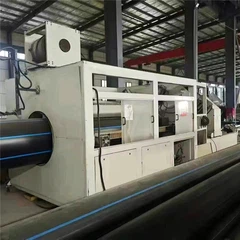
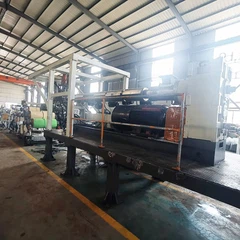
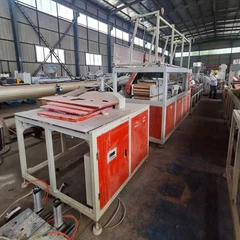
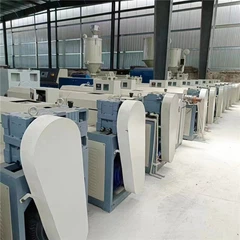

In the dynamic landscape of the plastics industry, the adaptability of equipment to different production processes is a critical factor that can significantly impact the efficiency and profitability of manufacturing operations. As a trusted supplier of used PVC mixers, I have witnessed firsthand the diverse requirements of various production processes and the crucial role that a versatile PVC mixer plays in meeting these needs. In this blog post, I will delve into the adaptability of a used PVC mixer to different production processes, exploring its features, benefits, and real-world applications.
Understanding the Basics of a PVC Mixer
Before we explore the adaptability of a used PVC mixer, it is essential to understand its basic functions and components. A PVC mixer is a specialized piece of equipment designed to blend PVC resin with various additives, such as stabilizers, plasticizers, lubricants, and pigments, to create a homogeneous mixture suitable for further processing. The mixing process is crucial for ensuring the consistent quality and performance of PVC products, as it determines the distribution of additives and the overall properties of the final material.
A typical PVC mixer consists of a mixing chamber, a motor, a stirring mechanism, and a control system. The mixing chamber is where the PVC resin and additives are loaded and mixed. The motor provides the power to drive the stirring mechanism, which agitates the materials to achieve a uniform blend. The control system allows operators to adjust the mixing parameters, such as speed, time, and temperature, to meet the specific requirements of the production process.


Adaptability to Different Production Processes
One of the key advantages of a used PVC mixer is its ability to adapt to different production processes. Whether you are manufacturing PVC pipes, profiles, sheets, or other products, a well-designed PVC mixer can be customized to meet the unique needs of your operation. Here are some of the ways in which a used PVC mixer can adapt to different production processes:
1. Variable Mixing Speeds
Different production processes require different mixing speeds to achieve the desired results. For example, some processes may require a high-speed mixing to ensure a thorough blend of the materials, while others may require a low-speed mixing to prevent overheating and degradation of the PVC resin. A used PVC mixer can be equipped with a variable speed drive, allowing operators to adjust the mixing speed according to the specific requirements of the production process. This flexibility ensures that the mixer can be optimized for different applications, resulting in improved product quality and efficiency.
2. Temperature Control
Temperature control is another critical factor in the PVC mixing process. The temperature of the mixing chamber can affect the viscosity, flowability, and chemical properties of the PVC mixture. A used PVC mixer can be equipped with a heating and cooling system to maintain the desired temperature throughout the mixing process. This allows operators to control the reaction rate and prevent the PVC resin from overheating or solidifying, ensuring a consistent and high-quality product.
3. Batch and Continuous Mixing
Depending on the production volume and requirements, a used PVC mixer can be configured for either batch or continuous mixing. Batch mixing involves loading a specific amount of PVC resin and additives into the mixing chamber, mixing them for a predetermined time, and then discharging the mixture for further processing. Continuous mixing, on the other hand, involves continuously feeding the PVC resin and additives into the mixing chamber while simultaneously discharging the mixed material. A used PVC mixer can be easily converted between batch and continuous mixing modes, providing flexibility and adaptability to different production processes.
4. Compatibility with Different Additives
PVC products often require the addition of various additives to enhance their performance and properties. These additives can include stabilizers, plasticizers, lubricants, pigments, and flame retardants, among others. A used PVC mixer must be compatible with a wide range of additives to ensure that the final product meets the desired specifications. The mixer should be designed to handle different types of additives, including powders, liquids, and pastes, and should be able to achieve a homogeneous blend of the materials.
5. Customizable Design
Every production process is unique, and a used PVC mixer should be able to be customized to meet the specific requirements of your operation. This may include the size and capacity of the mixing chamber, the type of stirring mechanism, the control system, and the overall layout of the equipment. A reputable supplier of used PVC mixers will work closely with you to understand your needs and provide a customized solution that meets your exact specifications.
Real-World Applications
The adaptability of a used PVC mixer makes it suitable for a wide range of real-world applications in the plastics industry. Here are some examples of how a used PVC mixer can be used in different production processes:
1. PVC Pipe Manufacturing
PVC pipes are one of the most common applications of PVC products. A used PVC mixer can be used to blend PVC resin with stabilizers, lubricants, and other additives to create a homogeneous mixture for pipe extrusion. The mixer can be configured to achieve the desired mixing speed and temperature, ensuring a consistent and high-quality pipe product.
2. PVC Profile Manufacturing
PVC profiles are used in a variety of applications, such as window frames, door frames, and decorative moldings. A used PVC mixer can be used to blend PVC resin with pigments, UV stabilizers, and other additives to create a colored and weather-resistant profile product. The mixer can be customized to meet the specific requirements of the profile manufacturing process, such as the size and shape of the profile, the color and finish of the product, and the production volume.
3. PVC Sheet Manufacturing
PVC sheets are used in a wide range of applications, such as signage, packaging, and construction. A used PVC mixer can be used to blend PVC resin with plasticizers, fillers, and other additives to create a flexible and durable sheet product. The mixer can be configured to achieve the desired thickness, width, and surface finish of the sheet, ensuring a high-quality and consistent product.
4. PVC Compound Manufacturing
PVC compounds are used in a variety of applications, such as wire and cable insulation, automotive parts, and medical devices. A used PVC mixer can be used to blend PVC resin with various additives to create a customized compound that meets the specific requirements of the application. The mixer can be equipped with a high-speed stirring mechanism and a temperature control system to ensure a thorough blend of the materials and a consistent product quality.
Benefits of Using a Used PVC Mixer
In addition to its adaptability to different production processes, there are several other benefits of using a used PVC mixer. Here are some of the key advantages:
1. Cost Savings
One of the primary benefits of using a used PVC mixer is the cost savings. Used equipment is typically much less expensive than new equipment, allowing you to save a significant amount of money on your capital investment. This can be especially beneficial for small and medium-sized businesses that may not have the budget to purchase new equipment.
2. Quick Delivery
Another advantage of using a used PVC mixer is the quick delivery time. Unlike new equipment, which may take several months to manufacture and deliver, used equipment is usually available immediately. This can help you to reduce your lead time and get your production up and running quickly.
3. Proven Performance
Used PVC mixers have a proven track record of performance and reliability. They have been used in real-world applications and have been tested and verified to meet the highest standards of quality and performance. This gives you the confidence that you are purchasing a reliable and efficient piece of equipment that will meet your production needs.
4. Environmentally Friendly
Using a used PVC mixer is also an environmentally friendly option. By purchasing used equipment, you are reducing the demand for new equipment and conserving natural resources. This can help to reduce your carbon footprint and contribute to a more sustainable future.
Conclusion
In conclusion, the adaptability of a used PVC mixer to different production processes is a significant advantage that can help you to improve the efficiency and profitability of your manufacturing operations. Whether you are manufacturing PVC pipes, profiles, sheets, or other products, a well-designed PVC mixer can be customized to meet the unique needs of your operation. By choosing a used PVC mixer, you can also benefit from cost savings, quick delivery, proven performance, and environmental friendliness.
If you are interested in learning more about our used PVC mixers or would like to discuss your specific production requirements, please do not hesitate to contact us. We would be happy to provide you with more information and help you find the right solution for your business.
References
- [1] "Plastics Mixing Technology," by J. Vlachopoulos and Z. Tadmor, Hanser Publishers, 2006.
- [2] "PVC Processing Technology," by C. Rauwendaal, Hanser Publishers, 2004.
- [3] "Mixing Equipment for Plastics and Rubber," by M. Xanthos, Chapman & Hall, 1995.