

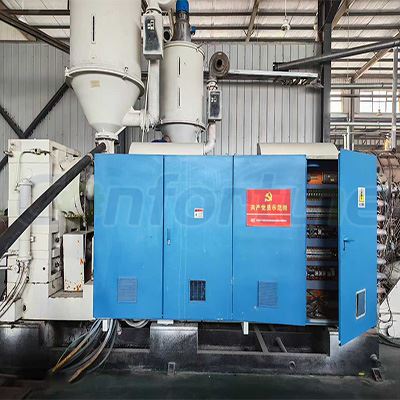
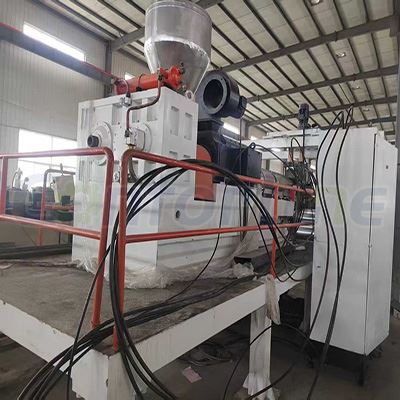
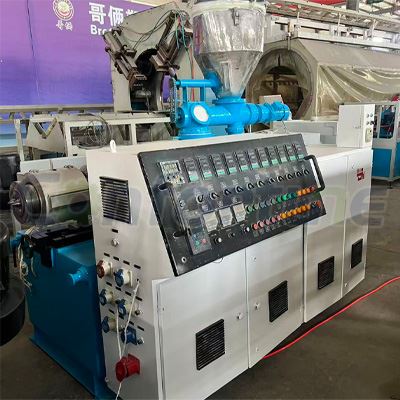
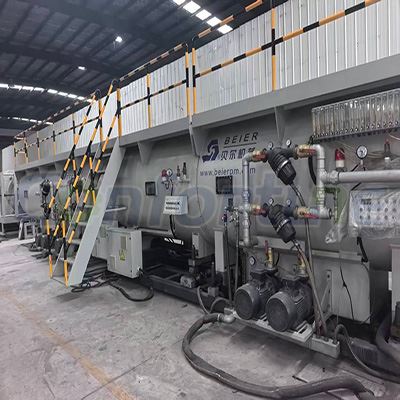
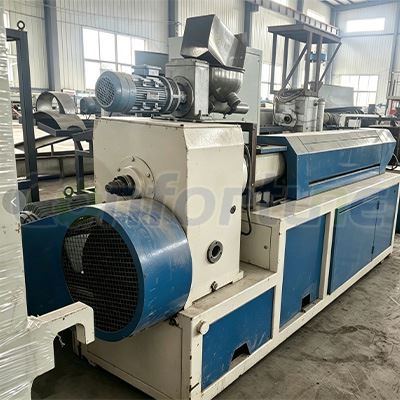
In the dynamic world of plastic processing, the question of whether used extruder accessories can be used in different types of extruders is a topic of significant interest. As a supplier of used extruder accessories, I've encountered this query numerous times from customers across various industries. In this blog, I'll delve into the factors that determine the compatibility of used extruder accessories with different extruders, sharing insights based on my experience in the field.
Understanding Extruder Types and Their Requirements
Extruders come in a variety of types, each designed for specific applications and materials. The most common types include single - screw extruders, twin - screw extruders, and ram extruders. Single - screw extruders are widely used for simple plastic processing tasks, such as the production of pipes, sheets, and films. Twin - screw extruders, on the other hand, are more suitable for compounding, reactive extrusion, and processing of difficult - to - handle materials. Ram extruders are typically used for processing high - viscosity materials or for applications where a precise and controlled extrusion process is required.
Each type of extruder has its own set of requirements in terms of the accessories it needs. For example, a twin - screw extruder may require specialized mixing elements to ensure proper compounding of materials, while a single - screw extruder may need a different type of die to produce the desired shape. These differences in requirements mean that not all used extruder accessories can be used interchangeably between different types of extruders.


Factors Affecting Compatibility
1. Physical Dimensions
One of the most obvious factors that determine whether a used extruder accessory can be used in a different type of extruder is its physical dimensions. The accessory must fit properly into the extruder, both in terms of size and shape. For example, a die that is designed for a specific diameter of a single - screw extruder may not fit a twin - screw extruder with a different barrel diameter. Similarly, the mounting points and connections of the accessory must match those of the extruder. If the physical dimensions are not compatible, the accessory may not be able to be installed or may not function correctly.
2. Material Compatibility
The materials used in the extruder and the accessory must be compatible. Different types of extruders are designed to process different materials, and the accessories must be able to withstand the chemical and physical properties of these materials. For example, if an extruder is used to process PVC, the accessory must be made of materials that are resistant to the corrosive nature of PVC. Using an accessory that is not compatible with the material being processed can lead to premature wear and failure of the accessory.
3. Performance Requirements
Each type of extruder has its own performance requirements, such as throughput, pressure, and temperature. The used extruder accessory must be able to meet these performance requirements. For example, a screw element that is designed for a low - throughput single - screw extruder may not be suitable for a high - throughput twin - screw extruder. The accessory must be able to handle the pressure and temperature conditions of the extruder to ensure proper operation.
Case Studies: Compatibility of Used Extruder Accessories
Let's take a look at some real - world examples to illustrate the compatibility of used extruder accessories.
Case 1: Second Hand PE Mixer
A customer was looking to upgrade their single - screw extruder for PE processing. They found a Second Hand PE Mixer that they thought could be a good fit. After a detailed inspection, it was found that the mixer had the right physical dimensions to be installed on the single - screw extruder. It was also made of materials that were compatible with PE. However, the performance requirements of the extruder were higher than what the mixer could handle. The mixer was designed for a lower throughput, and using it in the high - throughput extruder would have led to poor mixing and reduced product quality. In this case, the used PE mixer was not suitable for the single - screw extruder.
Case 2: Used PVC Pelletizing Production Line
Another customer had a twin - screw extruder for PVC processing and was interested in a Used PVC Pelletizing Production Line. The production line was designed for a similar twin - screw extruder, and the physical dimensions and material compatibility were checked. It was found that the line could be easily integrated with the existing extruder. The performance requirements of the extruder and the production line were also well - matched, allowing for efficient and high - quality PVC pellet production.
Case 3: Used High And Lower Mixer
A manufacturer with a ram extruder was considering a Used High And Lower Mixer. The mixer had the right physical dimensions, but the material compatibility was a concern. The ram extruder was used to process a high - viscosity material, and the mixer was originally designed for a different type of material. After some modifications to the mixer's internal components, it was made compatible with the material being processed in the ram extruder.
Benefits of Using Used Extruder Accessories
Despite the challenges of compatibility, there are several benefits to using used extruder accessories.
1. Cost Savings
One of the most significant advantages is the cost savings. Used extruder accessories are generally much cheaper than new ones, which can be a major factor for small and medium - sized businesses. By using used accessories, companies can reduce their capital investment and improve their bottom line.
2. Availability
Used extruder accessories are often more readily available than new ones. In some cases, it may be difficult to find a new accessory that meets specific requirements, especially for older or specialized extruders. Used accessories can provide a solution to this problem, allowing companies to keep their production lines running.
3. Environmental Benefits
Using used extruder accessories is also environmentally friendly. By reusing existing equipment, we reduce the demand for new manufacturing, which in turn reduces energy consumption and waste.
How to Ensure Compatibility
To ensure that used extruder accessories can be used in different types of extruders, the following steps can be taken:
1. Thorough Inspection
Before purchasing a used extruder accessory, a thorough inspection should be carried out. This includes checking the physical dimensions, material compatibility, and performance requirements. It is also important to inspect the accessory for any signs of wear or damage.
2. Consultation with Experts
If you are unsure about the compatibility of a used extruder accessory, it is advisable to consult with experts in the field. They can provide valuable insights and advice based on their experience and knowledge.
3. Testing
Once the accessory has been installed, it is important to conduct testing to ensure that it is working properly. This may involve running the extruder with the accessory and monitoring the performance. Any issues should be addressed immediately to avoid further problems.
Conclusion
In conclusion, while it is possible to use used extruder accessories in different types of extruders, it is not always straightforward. Compatibility depends on several factors, including physical dimensions, material compatibility, and performance requirements. By carefully considering these factors and taking the necessary steps to ensure compatibility, companies can benefit from the cost savings, availability, and environmental advantages of using used extruder accessories.
If you are interested in purchasing used extruder accessories or have any questions about their compatibility with your extruders, please feel free to contact us. We are here to help you find the right solutions for your plastic processing needs.
References
- "Plastics Extrusion Technology" by Allan A. Griff.
- "Extrusion of Polymers: Theory and Practice" by Christopher Rauwendaal.