

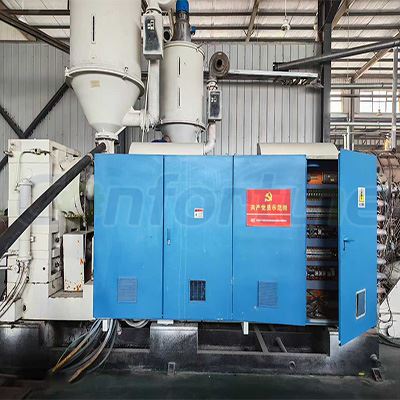
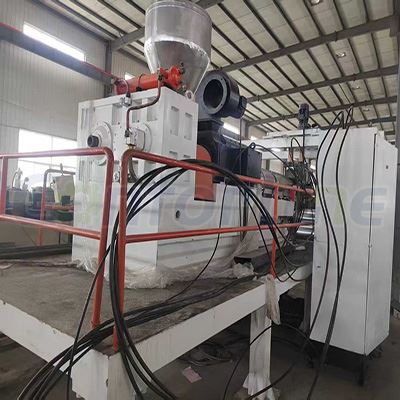
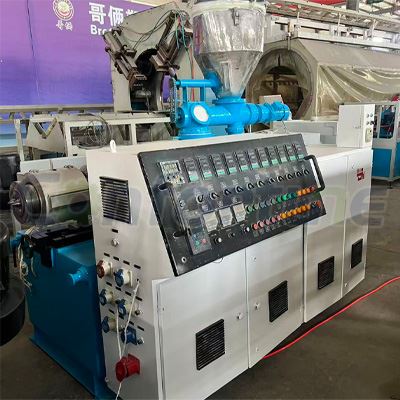
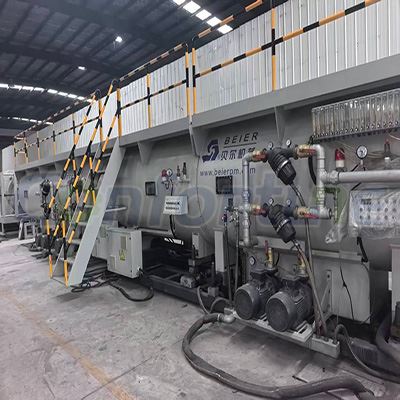
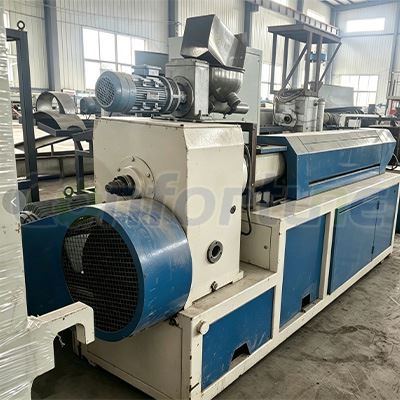
In the dynamic world of manufacturing, used extrusion machines have emerged as a cost - effective solution for businesses looking to enhance their production capabilities without breaking the bank. As a trusted supplier of used extrusion machines, I am often asked about the feeding systems of these machines. Understanding the feeding system is crucial as it directly impacts the quality and efficiency of the extrusion process.
Basics of the Feeding System in an Extrusion Machine
The feeding system of an extrusion machine is responsible for introducing raw materials into the extruder barrel at a controlled rate. This is a critical step because the consistency of the material flow affects the final product's properties, such as density, strength, and surface finish.
There are generally two main types of feeding systems used in extrusion machines: volumetric feeding and gravimetric feeding.
Volumetric Feeding
Volumetric feeding is the simpler and more cost - effective of the two methods. It works by measuring the volume of the raw material being fed into the extruder. This is typically done using a screw feeder or a vibratory feeder.
A screw feeder consists of a rotating screw inside a tube. As the screw rotates, it moves the material forward at a fixed rate. The speed of the screw can be adjusted to control the volume of material being fed. Vibratory feeders, on the other hand, use vibrations to move the material along a trough. The amplitude and frequency of the vibrations can be adjusted to regulate the flow rate.
One of the advantages of volumetric feeding is its simplicity. It is easy to install and maintain, making it a popular choice for small - scale operations or applications where high precision is not required. However, its accuracy is limited. The density of the raw material can vary, which means that the same volume of material may not always represent the same mass. This can lead to inconsistencies in the extrusion process.
Gravimetric Feeding
Gravimetric feeding is a more advanced and accurate method. It measures the mass of the raw material being fed into the extruder. This is achieved using a weighing system, such as a load cell.
In a gravimetric feeder, the material is placed on a weighing platform. The feeder continuously monitors the weight of the material and adjusts the feed rate to maintain a constant mass flow. This method compensates for variations in material density, ensuring a more consistent extrusion process.
Gravimetric feeding is commonly used in applications where high precision is required, such as in the production of medical devices or high - quality plastic products. Although it is more expensive and complex than volumetric feeding, the improved accuracy and product quality often justify the investment.
Components of the Feeding System in a Used Extrusion Machine
A typical feeding system in a used extrusion machine consists of several key components, each playing a vital role in the overall process.
Hopper
The hopper is the starting point of the feeding system. It is a container that holds the raw material. Hoppers can be made of various materials, such as stainless steel or plastic, depending on the type of material being processed.
The design of the hopper is important to ensure a smooth flow of material. It should have a proper shape and size to prevent bridging or rat - holing, which can disrupt the feeding process. Some hoppers are equipped with agitators or vibrators to help break up clumps and ensure a consistent flow of material.
Feeder
As mentioned earlier, the feeder is responsible for controlling the rate at which the material is fed into the extruder. Whether it is a volumetric or gravimetric feeder, it must be properly calibrated to ensure accurate feeding.
In used extrusion machines, the feeder may require some maintenance or adjustment. Over time, the screws or other moving parts may wear out, affecting the feed rate. Regular inspection and replacement of worn - out parts are essential to maintain the performance of the feeder.
Conveyor
In some cases, a conveyor may be used to transport the raw material from the hopper to the feeder. Conveyors can be belt conveyors, screw conveyors, or pneumatic conveyors, depending on the nature of the material and the layout of the production facility.
The conveyor should be designed to handle the specific requirements of the material. For example, if the material is abrasive, a conveyor with a wear - resistant belt or lining may be required.


Considerations for the Feeding System in a Used Extrusion Machine
When purchasing a used extrusion machine, there are several factors to consider regarding the feeding system.
Compatibility with Materials
The feeding system must be compatible with the type of raw material being processed. Different materials have different properties, such as density, particle size, and flowability. For example, powders may require a different feeding mechanism than pellets.
Some used extrusion machines may have been previously used with a specific type of material. It is important to ensure that the feeding system can be easily adapted to the new material if necessary.
Accuracy Requirements
As discussed earlier, the choice between volumetric and gravimetric feeding depends on the accuracy requirements of the extrusion process. If high precision is needed, a used machine with a gravimetric feeding system may be a better choice.
However, it is also important to consider the cost - effectiveness. In some cases, a volumetric feeding system may be sufficient, especially if the product specifications allow for some variation.
Maintenance and Upgrades
The feeding system in a used extrusion machine may require some maintenance and upgrades. It is important to assess the condition of the hopper, feeder, and conveyor before purchasing. Look for signs of wear and tear, such as corrosion or damaged parts.
If necessary, budget for any required maintenance or upgrades. This may include replacing worn - out screws, calibrating the feeder, or installing a new conveyor.
Our Range of Used Extrusion Machines
At our company, we offer a wide range of used extrusion machines with different feeding systems to meet the diverse needs of our customers. Our inventory includes Second Hand Plastic Extrusion Machine, Used Pet Sheet Line Machine, and Second Hand Twin Screw Extruder.
Each machine is carefully inspected and tested to ensure that it is in good working condition. We also provide detailed information about the feeding system and other components of the machine to help our customers make an informed decision.
Contact Us for Your Extrusion Needs
If you are in the market for a used extrusion machine, we invite you to contact us. Our team of experts is ready to assist you in choosing the right machine for your specific requirements. We can provide more information about the feeding systems, as well as offer advice on installation, maintenance, and operation.
Investing in a used extrusion machine can be a smart decision for your business. With the right feeding system, you can achieve high - quality production at a lower cost. Don't miss out on this opportunity to enhance your manufacturing capabilities. Reach out to us today to start the conversation about your extrusion needs.
References
- "Extrusion: The Definitive Processing Guide and Handbook" by Christopher Rauwendaal.
- "Plastics Extrusion Technology" by Allan A. Griff.