

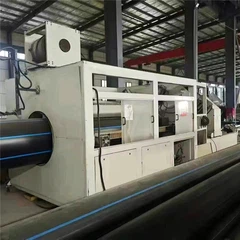
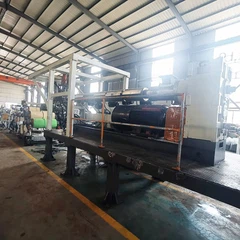
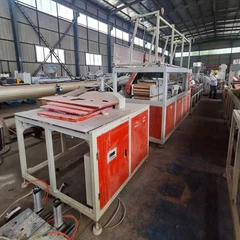
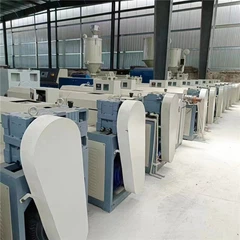

Hey there! As a supplier of Old HDPE Pipe Machines, I often get asked about the insulation performance of the heating system in these machines. So, I thought I'd take a moment to break it down for you.
First off, let's talk about why insulation performance matters in an HDPE pipe machine's heating system. The heating system is crucial for melting the HDPE material to the right consistency so that it can be extruded into pipes. If the insulation is poor, a lot of heat can be lost, which not only wastes energy but also makes it harder to maintain a stable temperature. And a stable temperature is key for producing high - quality pipes.
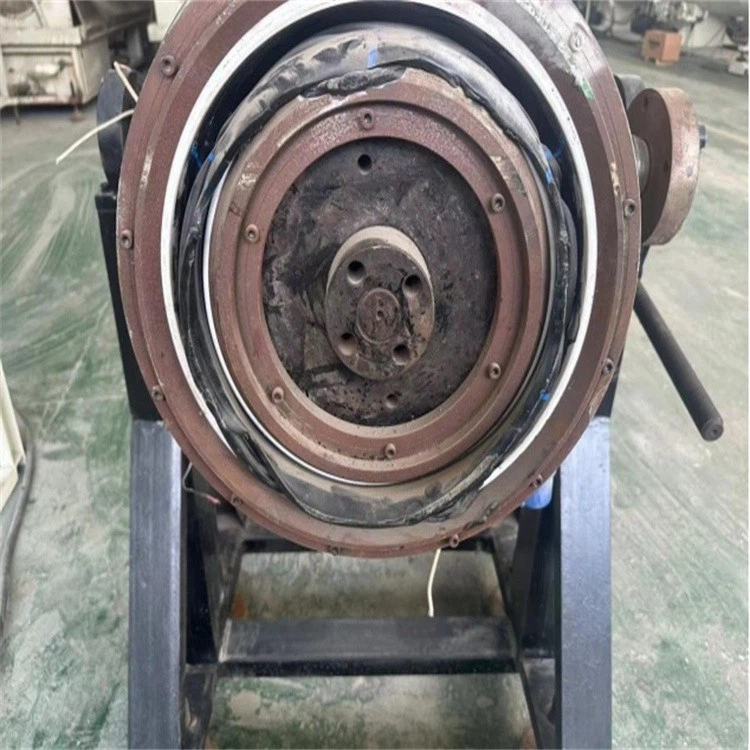

How Insulation Affects the Heating System
The insulation in an Old HDPE Pipe Machine's heating system acts as a barrier. It stops the heat from escaping into the surrounding environment. When the heat is contained within the heating zone, the machine can reach and maintain the optimal temperature for melting HDPE more efficiently.
For example, if you have an old machine with worn - out insulation, you might notice that it takes longer to heat up and uses more energy to keep the temperature stable. This is because the heat is constantly leaking out. On the other hand, a well - insulated heating system can save energy and reduce production costs in the long run.
Factors Affecting Insulation Performance
There are several factors that can influence the insulation performance of the heating system in an Old HDPE Pipe Machine.
1. Material of the Insulation
The type of insulation material used plays a big role. Some common insulation materials include fiberglass, ceramic fiber, and mineral wool. Fiberglass is a popular choice because it's relatively inexpensive and has good insulating properties. Ceramic fiber, on the other hand, can withstand higher temperatures and is more durable, but it's also more expensive. Mineral wool is another option that offers good thermal insulation and is fire - resistant.
2. Age and Condition of the Insulation
As the machine gets older, the insulation can start to degrade. It might become compressed, damaged, or lose its insulating properties over time. For instance, if the insulation has been exposed to moisture or physical damage, it won't work as effectively. So, regular maintenance and inspection of the insulation are essential to ensure optimal performance.
3. Design of the Heating System
The way the heating system is designed also affects insulation performance. A well - designed system will have proper insulation placement and thickness. For example, if the insulation is too thin, it won't be able to prevent heat loss effectively. And if the insulation is not properly installed around all the heating elements, there will be areas where heat can escape.
Measuring Insulation Performance
There are a few ways to measure the insulation performance of the heating system in an Old HDPE Pipe Machine.
1. Temperature Monitoring
One simple way is to monitor the temperature inside the heating zone and compare it to the temperature outside. If there's a big difference between the two, it could indicate that the insulation is not working well. You can use thermocouples or infrared thermometers to measure the temperatures.
2. Energy Consumption
Another way is to look at the energy consumption of the machine. If the machine is using more energy than usual to maintain the same temperature, it might be a sign that the insulation is failing. You can track the energy usage over time and look for any significant increases.
Improving Insulation Performance
If you find that the insulation performance of your Old HDPE Pipe Machine's heating system is not up to par, there are a few things you can do.
1. Replace the Insulation
If the insulation is damaged or worn out, replacing it is the most straightforward solution. You can choose a high - quality insulation material that suits your machine's needs. Make sure to follow the manufacturer's guidelines for installation.
2. Add Extra Insulation
In some cases, adding extra insulation can improve the performance. You can wrap additional insulation around the heating elements or the entire heating zone. Just make sure it doesn't interfere with the operation of the machine.
3. Regular Maintenance
Regularly inspecting and maintaining the insulation is crucial. Check for any signs of damage, such as cracks or compression, and repair or replace the insulation as needed.
Our Offerings
As a supplier of Old HDPE Pipe Machines, we understand the importance of insulation performance. We offer a range of machines that are designed with high - quality insulation in their heating systems. Our Used HDPE Pipe Extruder Production Line is built to ensure efficient heat retention and stable temperature control.
We also have Second Hand HDPE Pipes For Sale that are produced using our well - insulated machines, guaranteeing high - quality pipes. And if you're looking for a reliable Used PE HDPE Pipe Extruder Machine, we've got you covered.
If you're in the market for an Old HDPE Pipe Machine or want to learn more about our products, don't hesitate to reach out. We're here to help you make the best choice for your production needs.
References
- "Plastics Extrusion Technology" by Don V. Rosato, Dominick V. Rosato, and Mark P. Rosato
- "Handbook of Thermoplastics" edited by O. Olabisi