

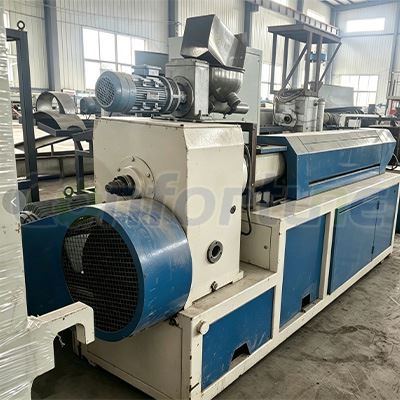
What is the melt temperature range of a used pipe extruder machine?
As a supplier of used pipe extruder machines, I often receive inquiries about the melt temperature range of these machines. Understanding the appropriate melt temperature range is crucial for ensuring the production of high - quality pipes. In this blog, I will delve into the factors that influence the melt temperature range and provide a detailed overview of what you can expect from a used pipe extruder machine.


Factors Affecting the Melt Temperature Range
The melt temperature range of a used pipe extruder machine is influenced by several key factors. The type of plastic material being processed is one of the most significant factors. Different plastics have different melting points and processing requirements. For example, PVC (Polyvinyl Chloride) has a relatively low melting point compared to materials like HDPE (High - Density Polyethylene).
PVC typically has a melt temperature range of around 160 - 190°C. This relatively low melting point makes it suitable for a variety of applications, and it is commonly used in the production of pipes for plumbing and drainage systems. When using a used pipe extruder machine to process PVC, it is essential to maintain the temperature within this range to ensure proper melting and extrusion. If the temperature is too low, the PVC may not melt completely, leading to poor quality pipes with inconsistent wall thickness and surface finish. On the other hand, if the temperature is too high, the PVC can degrade, resulting in discoloration, reduced mechanical properties, and an unpleasant odor.
HDPE, on the other hand, has a higher melting point, usually in the range of 120 - 180°C. HDPE pipes are widely used in water supply systems, gas pipelines, and other applications where high strength and durability are required. The higher melting point of HDPE means that the used pipe extruder machine needs to be able to reach and maintain a higher temperature during the extrusion process. If the temperature is not high enough, the HDPE will not flow properly through the extruder, causing blockages and production delays.
Another factor that affects the melt temperature range is the design and condition of the used pipe extruder machine itself. Older machines may have less precise temperature control systems, which can make it more challenging to maintain a consistent melt temperature. Additionally, the screw design of the extruder plays a crucial role in the melting process. A well - designed screw can help to distribute heat evenly and ensure that the plastic material is melted and homogenized effectively.
The throughput rate of the extruder also impacts the melt temperature range. Higher throughput rates require more heat input to ensure that the plastic material is melted and extruded at the desired rate. If the throughput rate is increased without adjusting the temperature accordingly, the plastic may not be fully melted, resulting in poor quality pipes.
Determining the Optimal Melt Temperature Range
To determine the optimal melt temperature range for a used pipe extruder machine, it is necessary to consider the specific plastic material being processed, the machine's capabilities, and the desired production output. One way to do this is to refer to the manufacturer's specifications for the plastic material. These specifications typically provide a recommended temperature range for melting and processing the material.
In addition to the manufacturer's recommendations, it is also important to conduct trial runs with the used pipe extruder machine. Start by setting the temperature at the lower end of the recommended range and gradually increase it while monitoring the quality of the extruded pipes. Look for signs of proper melting, such as a smooth surface finish, consistent wall thickness, and good mechanical properties. If the pipes show signs of under - melting or over - melting, adjust the temperature accordingly.
It is also advisable to consult with experts in the field of plastic extrusion. They can provide valuable insights and guidance based on their experience with different types of used pipe extruder machines and plastic materials.
Our Used Pipe Extruder Machines
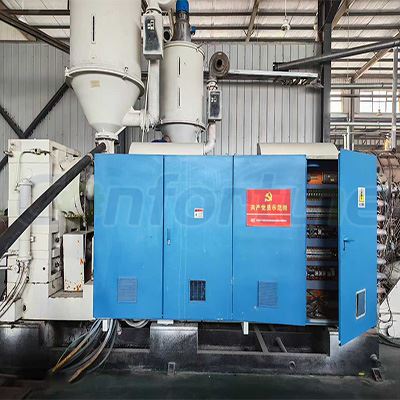
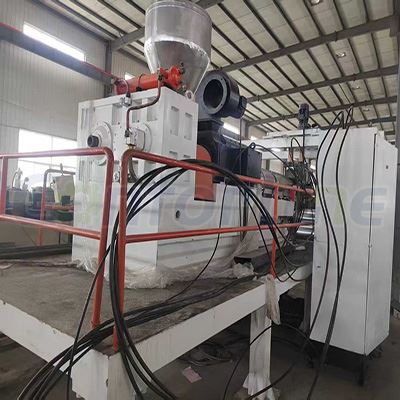
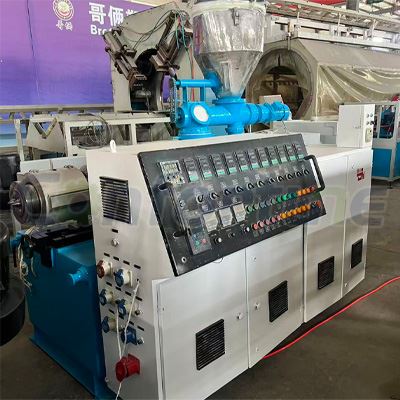
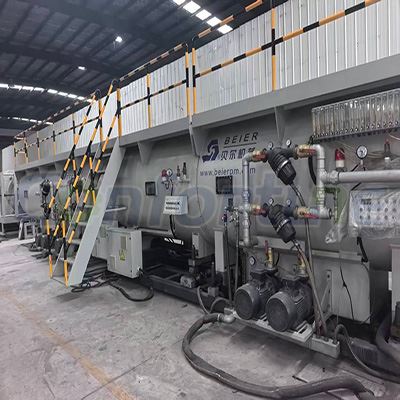
At our company, we offer a wide range of used pipe extruder machines, including Used PVC Pipe Extrusion Machine Line and Used DWC Pipe Extruder Machine. Our machines are carefully inspected and refurbished to ensure optimal performance. We also provide comprehensive support and training to help our customers get the most out of their used pipe extruder machines.
We understand that each customer's needs are unique, and we are committed to providing customized solutions. Whether you are looking to produce PVC pipes, HDPE pipes, or other types of plastic pipes, our team of experts can help you select the right used pipe extruder machine and determine the appropriate melt temperature range for your specific application.
In addition to our used pipe extruder machines, we also offer a variety of Second - hand Plastic Equipment, including plastic granulators, mixers, and blow molding machines. Our goal is to provide our customers with a one - stop solution for all their plastic processing needs.
Contact Us for Procurement and Consultation
If you are interested in purchasing a used pipe extruder machine or have any questions about the melt temperature range or our products, we encourage you to contact us. Our sales team is ready to assist you with your procurement needs and provide you with detailed information about our machines. We can also offer consultation services to help you optimize your production process and ensure the best possible results.
Don't miss out on the opportunity to enhance your pipe production capabilities with our high - quality used pipe extruder machines. Contact us today to start the conversation and take the first step towards improving your business.
References
- "Plastics Extrusion Technology" by Allan A. Griff. This book provides in - depth knowledge about the extrusion process, including temperature control and material properties.
- Manufacturer's technical data sheets for various plastic materials, which offer specific information about melting points and processing requirements.