

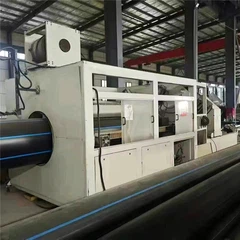
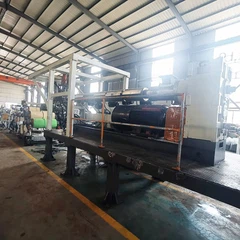
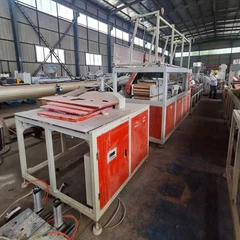
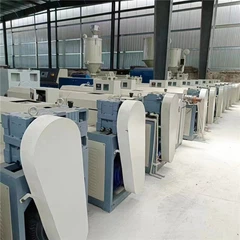

When it comes to the world of PVC processing, a used PVC mixer can be a valuable addition to your production line. As a supplier of used PVC mixers, I often get asked about various aspects of these machines, and one question that frequently pops up is, "What is the noise level of a used PVC mixer?" In this blog post, I'll delve into this topic, exploring the factors that influence the noise level of a used PVC mixer, why it matters, and how you can manage it effectively.


Understanding the Noise Level of a Used PVC Mixer
The noise level of a used PVC mixer can vary significantly depending on several factors. These factors include the age of the machine, its design, the quality of its components, and how well it has been maintained over the years.
- Age of the Machine: Older used PVC mixers are more likely to produce higher noise levels. As a machine ages, its components wear out, and this can lead to increased vibrations and noise. For example, bearings that have been in use for a long time may start to make a grinding or whining noise, which can contribute to the overall noise level of the mixer.
- Design: The design of the PVC mixer also plays a crucial role in determining its noise level. Some mixers are designed with noise reduction features, such as sound - insulating enclosures or vibration - dampening mounts. On the other hand, mixers with a more basic design may not have these features, resulting in higher noise levels.
- Quality of Components: The quality of the components used in the mixer can have a significant impact on its noise level. High - quality components are often more precise and durable, which can result in smoother operation and less noise. For instance, a mixer with a high - quality motor is likely to run more quietly than one with a lower - quality motor.
- Maintenance: Proper maintenance is essential for keeping the noise level of a used PVC mixer under control. Regular maintenance tasks, such as lubricating moving parts, tightening loose bolts, and replacing worn - out components, can help reduce vibrations and noise. A well - maintained mixer will generally operate more quietly than one that has been neglected.
Why the Noise Level Matters
The noise level of a used PVC mixer is not just an annoyance; it can have several important implications for your business.
- Worker Safety and Health: High noise levels in the workplace can pose a significant risk to the health and safety of your workers. Prolonged exposure to loud noise can cause hearing loss, stress, and other health problems. By ensuring that your used PVC mixer operates at an acceptable noise level, you can protect the well - being of your employees.
- Productivity: Excessive noise can also have a negative impact on productivity. When workers are constantly exposed to loud noise, it can be difficult for them to concentrate on their tasks, leading to errors and decreased efficiency. A quieter mixer can help create a more comfortable and productive work environment.
- Compliance: There are often regulations and standards regarding noise levels in industrial workplaces. If your used PVC mixer produces noise levels that exceed these limits, you may face fines or other penalties. Ensuring that your mixer meets the required noise standards is essential for staying in compliance with the law.
Measuring the Noise Level of a Used PVC Mixer
To determine the noise level of a used PVC mixer, you can use a sound level meter. This device measures the intensity of sound in decibels (dB). When measuring the noise level of the mixer, it's important to follow these steps:
- Position the Meter Correctly: Place the sound level meter at a distance of about 1 meter from the mixer and at ear - level height. This will give you an accurate measurement of the noise level that workers are likely to be exposed to.
- Measure at Different Operating Conditions: The noise level of the mixer may vary depending on its operating conditions, such as the speed at which it is running and the amount of material it is mixing. Measure the noise level at different speeds and loads to get a comprehensive understanding of its noise characteristics.
- Take Multiple Readings: To ensure accuracy, take multiple readings at different times and under different conditions. Calculate the average of these readings to get a more reliable measurement of the mixer's noise level.
Managing the Noise Level of a Used PVC Mixer
If you find that the noise level of your used PVC mixer is too high, there are several steps you can take to reduce it.
- Maintenance and Repairs: As mentioned earlier, proper maintenance is key to reducing noise. Regularly check and replace worn - out components, lubricate moving parts, and tighten loose bolts. This can help reduce vibrations and noise.
- Sound - Insulating Enclosures: Installing a sound - insulating enclosure around the mixer can significantly reduce the noise level. These enclosures are designed to absorb and block sound, preventing it from spreading into the surrounding environment.
- Vibration - Dampening Mounts: Using vibration - dampening mounts can also help reduce the noise level of the mixer. These mounts absorb the vibrations generated by the mixer, preventing them from being transmitted to the floor and other surfaces.
Related Used Equipment
If you're in the market for other used equipment related to PVC processing, you might be interested in Second Hand Laser Printing and Second Hand Hot and Cold Mixer. These pieces of equipment can complement your used PVC mixer and enhance your overall production capabilities.
Conclusion
As a supplier of Used PVC Mixer, I understand the importance of the noise level of these machines. By understanding the factors that influence the noise level, why it matters, and how to manage it, you can make an informed decision when purchasing a used PVC mixer and ensure a safe and productive work environment.
If you're interested in purchasing a used PVC mixer or have any questions about our products, please feel free to reach out. We're here to help you find the right equipment for your needs and provide you with all the information you need to make a smart investment.
References
- Industrial Noise Control Handbook. CRC Press.
- Occupational Safety and Health Administration (OSHA) Guidelines on Noise Exposure in the Workplace.