

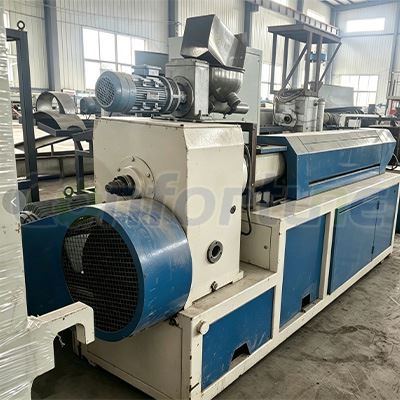
Hey there! I'm a supplier of Second Hand PE Mixers, and I often get asked about how to adjust the speed of the mixing shaft of these machines. It's a crucial aspect that can greatly affect the quality of the mixing process. So, let's dive right in and explore this topic in detail.
First off, why is adjusting the speed of the mixing shaft so important? Well, different materials and mixing requirements call for different speeds. If the speed is too high, it might cause excessive wear and tear on the equipment, and in some cases, it could even damage the materials being mixed. On the other hand, if the speed is too low, the mixing might not be thorough enough, leading to an uneven mixture.
Now, let's talk about the steps to adjust the speed of the mixing shaft of a second - hand PE mixer.
Step 1: Understand the Machine
Before you start making any adjustments, it's essential to have a good understanding of your Second Hand PE Mixer. Check the user manual that came with the machine. Even though it's a second - hand mixer, the manual can provide valuable information about the speed adjustment mechanism. If you don't have the manual, you can usually find similar models' manuals online. Look for details like the range of adjustable speeds, the type of speed control system (whether it's manual, electronic, or hydraulic), and any safety precautions related to speed adjustment.
Step 2: Check the Power Supply
A stable power supply is crucial for the proper functioning of the mixer and its speed adjustment. Make sure the power source is providing the correct voltage and frequency as specified by the machine. Fluctuations in power can lead to inconsistent speed control. If you notice any issues with the power supply, such as flickering lights or strange noises from the mixer, it's a good idea to have an electrician check it out before proceeding with speed adjustments.
Step 3: Manual Speed Adjustment
Some older second - hand PE mixers come with a manual speed adjustment mechanism. This usually involves a knob or a lever. If your mixer has a manual system, locate the speed control knob or lever. It's often located on the control panel of the machine.
To increase the speed, turn the knob clockwise or move the lever in the direction indicated for higher speeds. To decrease the speed, do the opposite. Make small adjustments at a time and observe the change in the mixing shaft's speed. It's important to be patient during this process because sudden large adjustments can cause the mixer to malfunction or damage the materials.
Step 4: Electronic Speed Adjustment
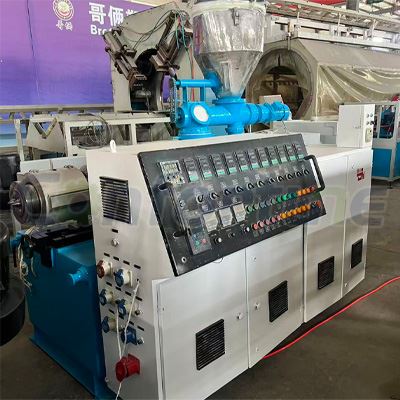
Many modern second - hand PE mixers use electronic speed control systems. These systems are more precise and offer a wider range of speed settings. If your mixer has an electronic speed control, it will likely have a digital display and buttons for adjustment.
First, turn on the mixer and let it run at a low speed for a few seconds to warm up. Then, use the up and down buttons on the control panel to adjust the speed. The digital display will show the current speed setting. Just like with the manual adjustment, make small increments or decrements and wait for the mixer to reach the new speed.
Step 5: Hydraulic Speed Adjustment
In some industrial - grade second - hand PE mixers, a hydraulic system is used to control the speed of the mixing shaft. Hydraulic speed adjustment is more complex and usually requires some technical knowledge.
If your mixer has a hydraulic system, you'll need to locate the hydraulic control valves. These valves regulate the flow of hydraulic fluid, which in turn controls the speed of the mixing shaft. Adjusting these valves should be done carefully. You may need to refer to the machine's technical documentation or consult a professional if you're not familiar with hydraulic systems.
Step 6: Monitor the Mixing Process
Once you've made the speed adjustment, it's important to monitor the mixing process. Observe the consistency of the mixture. If the mixture is too lumpy or if the materials aren't blending well, you may need to adjust the speed again. Also, listen to the sound of the mixer. Unusual noises can indicate that the speed is too high or that there's a problem with the machine.
Other Considerations
Apart from the basic steps of speed adjustment, there are a few other things to keep in mind.
-
Maintenance: Regular maintenance of the mixer is essential for smooth speed adjustment. Keep the mixing shaft clean and lubricated. Check the belts, gears, and other moving parts for wear and tear. Replace any damaged parts promptly to ensure the speed control system works properly.
-
Material Properties: The type of material you're mixing also affects the optimal speed. For example, if you're mixing a viscous material, you may need a slower speed to avoid over - stressing the mixer. On the other hand, a less viscous material may require a higher speed for thorough mixing.
-
Safety First: Always follow safety procedures when adjusting the speed of the mixing shaft. Make sure the mixer is turned off before making any adjustments to the speed control mechanism. Wear appropriate safety gear, such as gloves and safety glasses, especially when working around moving parts.
In addition to Second Hand PE Mixers, we also have Used PVC Mixer and Second Hand Laser Printing equipment available. If you're in the market for high - quality second - hand equipment, we've got you covered.
If you have any questions about adjusting the speed of a second - hand PE mixer or if you're interested in purchasing any of our equipment, don't hesitate to reach out. We're here to help you make the most of your mixing processes. Whether you're a small - scale manufacturer or a large industrial operation, we can provide you with the right equipment and support.


References
- General knowledge about plastic mixers from industry experience
- Typical user manuals of PE mixers for common models