

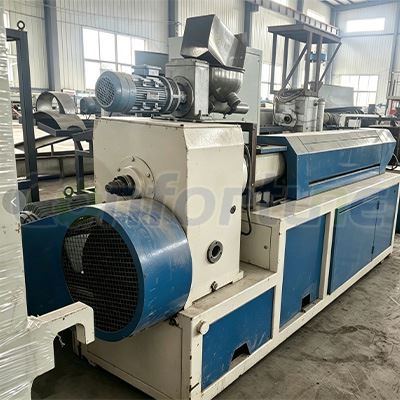
Hey there! I'm a supplier of second - hand PE mixers, and today I wanna chat about the vibration level of these machines during operation. It's a topic that doesn't get enough attention but is super important for anyone looking to buy a used PE mixer.
First off, let's talk about why vibration matters. When a PE mixer is running, vibration can tell us a lot about its health and performance. A normal, well - functioning mixer will have a certain level of vibration that's considered acceptable. But if the vibration is too high, it could mean there are problems like misalignment, worn - out parts, or an unbalanced load.
So, what's the typical vibration level of a second - hand PE mixer during operation? Well, it's not a one - size - fits - all answer. There are a bunch of factors that can affect the vibration level.
One of the main factors is the age of the mixer. Older second - hand PE mixers might have more wear and tear on their components. For example, the bearings could be starting to wear out. Bearings are crucial for smooth operation, and when they're worn, they can cause the mixer to vibrate more than it should. I've seen cases where an old mixer with bad bearings had a vibration level that was almost double what it should be.
The condition of the motor also plays a big role. A motor that's not running properly can lead to uneven power distribution, which in turn causes increased vibration. If the motor has electrical issues or if its fan is damaged, it can create an imbalance that makes the whole mixer shake.
The load inside the mixer is another key factor. If you're overloading the mixer, it'll have to work harder, and this can result in higher vibration levels. It's like trying to carry too many heavy bags at once; you're gonna start wobbling. On the other hand, an unevenly distributed load can also cause problems. If the material inside the mixer is clumped up in one area, it'll create an imbalance and make the mixer vibrate.
Now, let's get into the numbers. In general, a well - maintained second - hand PE mixer should have a vibration level in the range of 0.5 to 2.0 millimeters per second (mm/s). This is measured at the housing of the mixer, usually near the motor or the main shaft. But keep in mind, these are just ballpark figures. Different models of mixers might have slightly different acceptable vibration ranges.

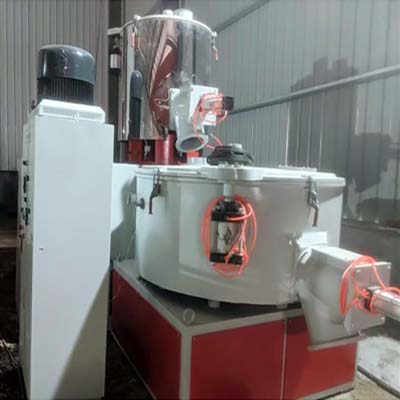
If the vibration level goes above 2.0 mm/s, it's a red flag. You might start to notice some other symptoms too, like strange noises coming from the mixer or a decrease in the quality of the mixing. High vibration can also lead to more serious problems over time, such as damage to the frame of the mixer or even breakage of some components.
So, how can you check the vibration level of a second - hand PE mixer? Well, there are a few ways. One of the simplest methods is to use a vibration meter. These are relatively inexpensive and easy to use. You just place the meter on the housing of the mixer at the recommended measurement points, and it'll give you a reading.
Another way is to do a visual inspection. Look for any signs of excessive movement or shaking. If the mixer is visibly rattling or moving around on its base, that's a clear sign that the vibration level is too high. You can also listen for any abnormal noises. A smooth - running mixer should make a relatively quiet, consistent sound. If you hear loud bangs, rattles, or screeches, it's likely that there's a problem with the vibration.
As a supplier of second - hand PE mixers, I always make sure to check the vibration level of the machines before selling them. I use a combination of vibration meters and visual inspections to ensure that the mixers are in good working condition. But even after a thorough check, it's still important for buyers to do their own due diligence.
If you're in the market for a second - hand PE mixer, you might also be interested in other related equipment. For example, we also have Used PVC Mixer available. These are great for mixing PVC materials and can be a valuable addition to your production line.
Another option is Second Hand Laser Printing. This can be used for marking or printing on the products made with the mixer. And if you need a mixer that can handle both hot and cold mixing, we have Second Hand Hot and Cold Mixer in stock.
In conclusion, understanding the vibration level of a second - hand PE mixer is crucial for making a smart purchase. It can tell you a lot about the condition of the machine and whether it's going to be reliable in the long run. If you have any questions about the vibration levels of our second - hand PE mixers or if you're interested in purchasing one, don't hesitate to reach out. We're here to help you find the right equipment for your needs.
References
- "Industrial Mixer Handbook" - A comprehensive guide on mixer operation and maintenance.
- "Vibration Analysis for Machinery" - A technical book that explains the principles of vibration in industrial equipment.