

Intro
HDPE and LDPE are the most widely used polyethylene materials across packaging, bottles, shopping films, containers and industrial wraps. Mechanical recycling and pelletizing turn bulky waste plastic into standard rHDPE and rLDPE pellets, which are ready for injection, blow molding and film extrusion again.
Quick Overview: HDPE VS LDPE for Recycling
✅ HDPE: Rigid bottles, drums, crates, containers. Higher melting point ~130–135°C, stiff, easy to sort by sink-float separation. Can feed extruders directly after crushing and washing.
✅ LDPE: Flexible film, packaging wraps, agricultural film. Lower melting point ~105–115°C, fluffy, easy to wrap screws. It requires a compactor / squeezer to squeeze air and moisture before extrusion.
⚠️ Important note: HDPE and LDPE are NOT recommended to be recycled together in one line. Mixed pellets will bring unstable MFR, poor surface and inconsistent mechanical performance for downstream buyers.
Step-by-Step Recycling & Pelletizing Process
1. Sorting & Pre-Selection
Separate HDPE rigid scrap and LDPE film first. Remove foreign materials like paper, metal, PVC, PET and dirt. Manual sorting, density sink-float tanks and metal detectors are commonly used here.
2. Shredding / Crushing
Big HDPE bottles are crushed into rigid flakes. LDPE film is shredded into small strips. Uniform size helps stable feeding and washing efficiency.
3. Washing & Decontamination
Hot washing or cold washing removes glue, oil, ink and food residue. Heavy contamination will cause black spots and bubbles in final pellets.
4. Dewatering & Drying
Centrifugal dewatering + hot air drying. Target moisture below 1%. LDPE film holds much more water, so squeezing is a must before drying.
5. Compacting & Feeding (Critical for LDPE)
LDPE fluffy film needs a cutter compactor to densify, squeeze out air and pre-melt slightly. HDPE clean flakes can be gravity fed directly into extruder.
6. Extrusion, Degassing & Melt Filtration
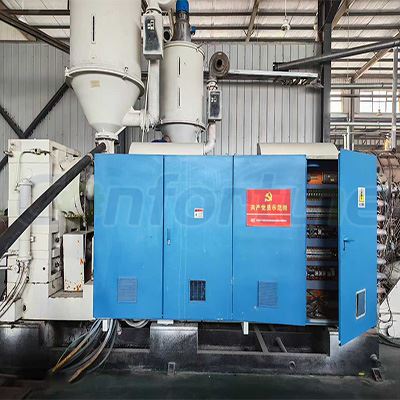
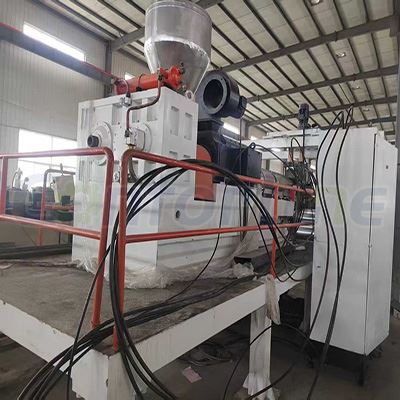
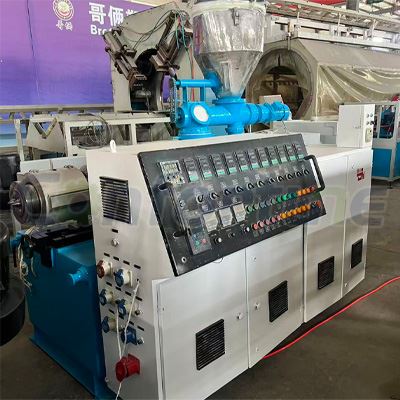
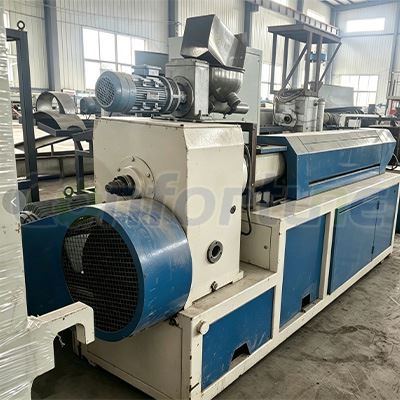
Single screw extruder is the mainstream choice for HDPE / LDPE recycling. Vacuum degassing removes volatile gas and residual moisture. Continuous screen changers filter out tiny impurities, to guarantee clean pellets.
7. Pelletizing, Cooling & Dewatering
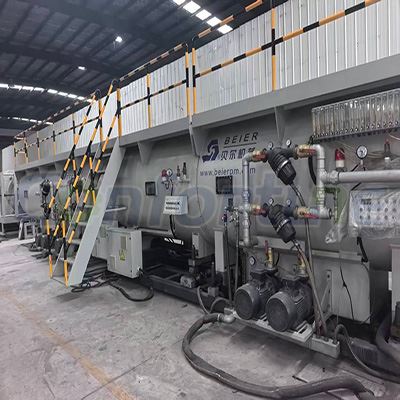
Water ring die-face cutting is the most popular solution for PE recycling. Molten strands are cut into pellets instantly, cooled by circulating water, then sent to centrifugal dewatering.
8. Vibrating Screening & Packaging
Screen out fine powder and oversized pellets. Qualified recycled pellets go into silos or bags for resale.
Which Line Is Better For You?
-
For HDPE rigid waste: Single-stage pelletizing line, simple feeding, lower investment
- For LDPE film waste: Two-stage extruder line with compactor, better for high-film volume
- For high-quality PCR pellets: Add multi-stage filtration and precise temperature control
Closing
Stable sorting, strict moisture control and matched feeding system decide your recycled pellet quality. Properly processed rHDPE and rLDPE pellets are high-demand raw materials for plastic manufacturers worldwide, bringing good profit for recycling factories.
Hot Tags: used plastic granules making machine, China used plastic granules making machine manufacturers, suppliers, second-hand plastic granules filtering apparatus, used plastic granules pulverizing machine, second hand plastic granules recycling apparatus, used plastic granules drying machine, recycled plastic granules molding unit, second hand plastic granules melting apparatus