

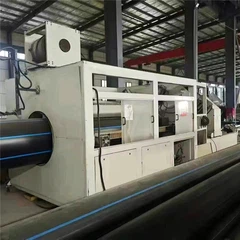
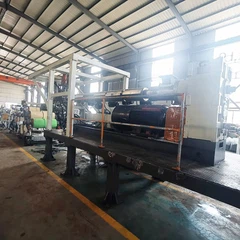
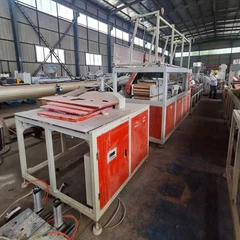
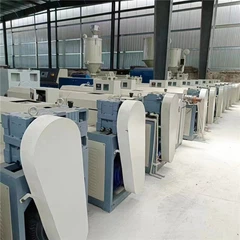

Used equipment requires more careful maintenance due to its unique characteristics. Preventing overheating hinges on establishing a rigorous "temperature control prevention system," the core of which is ensuring that the cooling system is always operational, guaranteeing precise heating and temperature control, and standardizing daily operations and maintenance.
1. Ensure the cooling system is always operational
The cooling system is the first line of defense in temperature control; insufficient efficiency will directly lead to heat buildup.
Daily inspections and cleaning: Regularly check the cooling water flow rate and pressure, and inspect the operation of fans and the cleanliness of heat dissipation fins in air-cooled systems. Ensure that cooling water passages and filters are clear and free of blockages.
System Maintenance and Servicing: Regularly flush the water lines to remove scale and other impurities. Ensure the inlet water temperature does not exceed 25°C, and replace cloudy cooling water periodically. Check that solenoid valves open and close properly; replace them immediately if any issues are found.
Emergency Procedures: If an over-temperature alarm occurs, shut down the machine immediately to prevent material from carbonizing due to high temperatures. Subsequently, switch to manual mode and maintain a small flow of cooling water to prevent sudden cooling from causing barrel deformation.
2. Ensure Precise Heating and Temperature Control
A malfunctioning heating system or inaccurate temperature control instruments can directly lead to uncontrolled temperatures.
Calibrate temperature control instruments regularly: Calibrate temperature control instruments monthly or quarterly to ensure their sensitivity and accuracy; repair or replace them immediately if any malfunctions are detected.
Inspect heating elements: Regularly inspect the heating rods or heating coils in each heating zone to ensure they are in good condition, securely connected, and show no signs of aging or burnout.
Upgrade to smart temperature control technology: If conditions permit, consider installing a smart temperature control module. Using a dual-PID controller can dynamically balance heating and cooling, effectively suppressing temperature fluctuations.
3. Standardizing Daily Operations and Maintenance
Standardizing Operating Procedures
Adhere to Process Requirements: Set the temperature of each zone strictly in accordance with material specifications (e.g., PE materials typically require 160–220°C, while PVC requires 190–230°C). Never blindly increase the temperature to improve flowability.
Control Heating Time: Avoid excessive heating times to prevent residual material in the barrel from decomposing or carbonizing due to prolonged exposure to heat.
Avoid Idling: Never operate the extruder without material to prevent the screw and barrel from generating heat due to friction caused by a lack of lubrication, which could lead to scoring or damage.
Enhance Maintenance and Care
Regularly clean the screw and die head: Prolonged use of the screw leads to the accumulation of charred residues, which must be thoroughly cleaned on a regular basis to prevent these residues from being extruded with new material and causing quality issues.
Strictly control raw materials: Ensure the purity of raw materials and avoid using low-quality recycled materials containing impurities such as metal shavings to reduce unnecessary frictional heat.
4. Identifying Early Signs of Overheating
Catching these "warning signs" early can help prevent problems before they occur.
Visual and Olfactory Abnormalities: Check the die nozzle for thick smoke or a strong, pungent odor (a typical sign of plastic scorching). The presence of granular scorched material on the surface of the finished product is also direct evidence of overheating.
Auditory and Tactile Abnormalities: Unusual noises or vibrations from the gearbox or motor may indicate insufficient lubrication or overload. Also, check for abnormal temperature rises in components such as bearings and motors.