

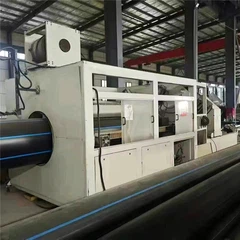

1.Feed hopper
Bore Wear & Dimensional Deviation
Boring, Grinding and Nitriding: Bore and grind the worn inner bore to a uniform dimension, then re-perform nitriding treatment to restore surface hardness.
Bushing Insertion: For severe wear, ream the bore and insert an alloy bushing (e.g., SKD11) with a typical single-side thickness of 5–7 mm.
Objective: Restore the original bore size, tolerance and surface finish, and improve wear and corrosion resistance.
2.Screw
Flight Wear & Corrosion
Surfacing and Spraying: Deposit wear-resistant alloy (e.g., tungsten carbide) on the worn flight surface by means of surfacing or spraying, then finish-grind to the required dimensions.
Laser Cladding: Adopt laser remanufacturing technology to clad high-performance alloy powder; the performance after repair can exceed that of new products.
Hard Chrome Plating: Apply hard chrome plating to the root diameter and other parts of the screw to enhance wear resistance.
Objective: Restore the screw outer diameter and flight profile, ensure the fit clearance with the barrel, and the surface alloy layer delivers superior wear resistance.
3.Electrical and Control System
Component Aging & Inaccurate Control
Control System Upgrade: Replace or upgrade aging components such as PLCs and temperature control modules.
Electrical System Renewal: Replace circuit breakers, contactors, wiring and other parts.
Objective: Improve control accuracy and production stability, eliminate potential safety hazards, and realize modernized operation.
4.Key Auxiliary Systems
Degraded Performance & Low Reliability
Hydraulic/Lubrication System: Inspect and replace pumps, valves, seals and pipelines to ensure stable pressure and zero leakage.
Die Head System: Upgrade to a dual-station hydraulic screen changer or screenless die head to realize non-stop screen changing.
Objective: Ensure the long-term stable operation of equipment, reduce unplanned downtime, and improve production efficiency.