


Mainstream Used Plastic Molding Machiner
| Machine Type | Main features and applications | Key Performance Parameter Examples |
| Injection molding machine |
Molten plastic is injected into the mold and cooled to form products. It has the widest range of applications and is used to produce plastic products of various shapes and sizes. |
Small/General-purpose type: Clamping force 120 tons, injection weight 195 grams. Medium type: Clamping force 160 tons, injection weight 416 grams. Large type: Clamping force 1400 tons, injection weight more than 5 kilograms. |
|
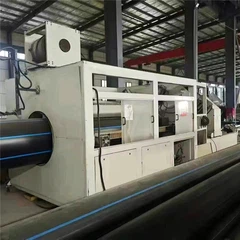
extruder |
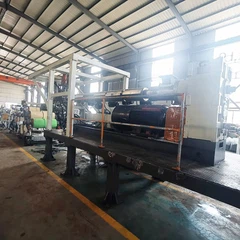
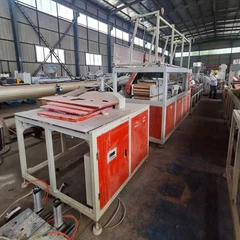
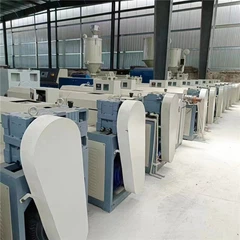
After heating and plasticizing the plastic, products with specific cross-sectional shapes such as pipes, sheets, and granules are continuously extruded through a mold. | Single-screw extruder: Used for sheet production, with a screw diameter of 65mm. Twin-screw extruder: Used for efficient mixing and granulation, with a screw diameter of 35.6mm. |
| Blow Molding Machine | The main equipment for manufacturing hollow plastic containers (such as bottles and barrels), which is divided into extrusion blow molding, injection blow molding, etc. |
Small containers: For producing bottles or jars ranging from 1 liter to 5 liters. Large containers: For producing large pallets and drums ranging from 60L to 1000L. |
Other Key Supporting Machinery Type
1.Plastic Compounding Machinery: Such as high-speed mixers, internal mixers, and parallel twin-screw granulators. Used for coloring, mixing, modifying, and granulating raw materials. When purchasing used equipment, focus on checking the wear of mixing blades/screws and the efficiency of heating and cooling systems.
2.Plastic Secondary Processing Machinery: Such as thermoforming machines (vacuum forming machines), printing machines, and welding machines. Used for post-processing sheets and semi-finished products. This type of equipment is highly specialized and needs to be accurately matched to your subsequent processes.
3.Plastic Processing Auxiliary Machinery: The key to improving automation and stability. Common types include:
Temperature Control Equipment: Mold temperature controllers and chillers to ensure stable process temperatures.
Raw Material Processing Equipment: Dehumidifying dryers and automatic loaders to ensure raw materials are dry and clean.
Post-processing and Recycling Equipment: Crushers, robotic arms, and arranging machines to realize recycling of scrap materials and automation.