


📊Overview of Core Relationships and Differences
|
Granulator
|
Extruder (for molding) |
||
| display |
 |
 |
|
|
Core Functions |
Preparing standard raw materials: Melt, filter, extrude and cut plastic recycled materials, leftover materials or mixed materials into uniform plastic pellets. | Manufacturing final products: Heat and plasticize plastic pellets, and continuously extrude them into final shapes such as pipes, plates, and profiles through specific molds. | |
|
Material Input |
Plastic crushed materials, recycled materials, powder materials, mixed materials, etc. |
Standardized plastic pellets (usually provided by a granulator) |
|
|
Material Output |
Uniform plastic pellets with consistent size. |
Continuous plastic products (e.g., pipes, sheets) |
|
| Production Link |
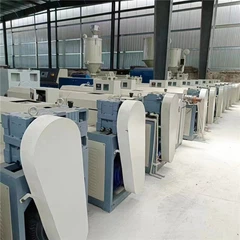
It is in the pre-treatment or recycling and regeneration link. |
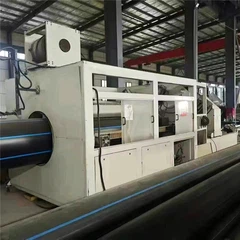
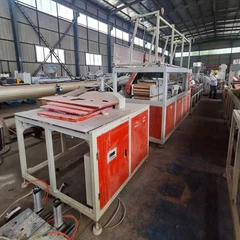
It is in the core link of product molding. |
|
| Design Focus |
High-efficiency pelletizing, impurity filtration, and homogenizing mixing |
Precision plasticization, stable extrusion, and precise control of product shape and size. |
The cooperative relationship between the two in the production process
Plastic crushed/recycled materials → Granulator (processed into standard pellets) → Standard plastic pellets → Extruder (heated for extrusion molding) → Final plastic products → (Generated leftover materials/waste products) → Return to the granulator for re-granulation and recycling.