

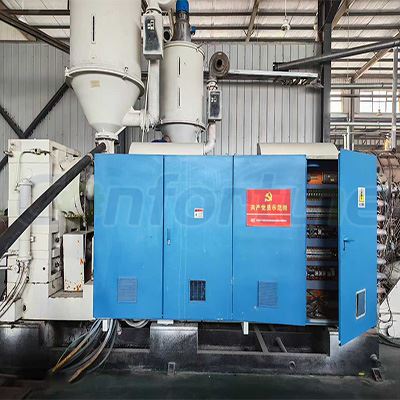
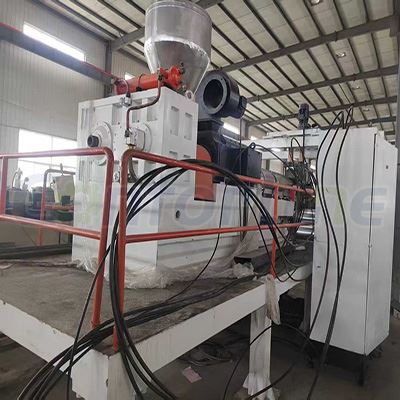
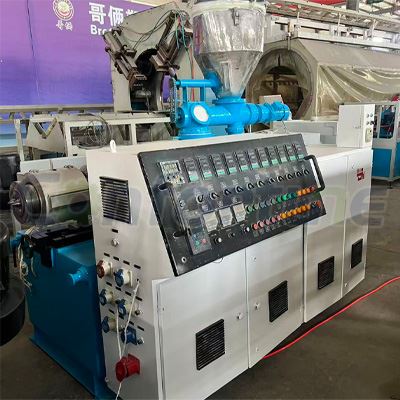
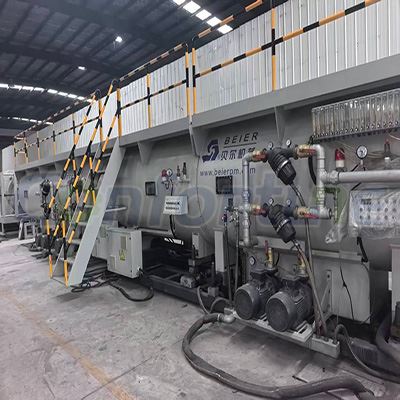
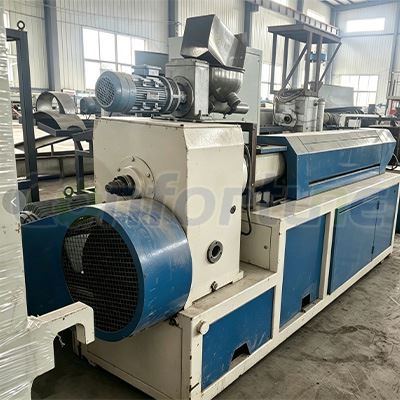
As a seasoned supplier of used extrusion machines, I often encounter inquiries from clients curious about the feasibility of using these pre - owned machines for soft materials. In this blog, I'll delve into this topic, exploring the technical aspects, potential challenges, and advantages of using a used extrusion machine for soft materials.
Understanding Extrusion and Soft Materials
Extrusion is a manufacturing process where a material is forced through a die to create a specific cross - sectional profile. Soft materials, which include plastics like polyethylene (PE), polyvinyl chloride (PVC), and thermoplastic elastomers (TPE), as well as rubber and certain food products, require a different set of considerations compared to harder materials.
Soft materials typically have lower melting points and higher viscosities. They are more prone to deformation and require precise temperature and pressure control during the extrusion process. The question then arises: can a used extrusion machine, which may have some wear and tear, still handle these delicate materials effectively?
Advantages of Using Used Extrusion Machines for Soft Materials
Cost - Efficiency
One of the most significant advantages of opting for a used extrusion machine is cost. New extrusion machines can be extremely expensive, especially those designed for high - precision work with soft materials. A used machine can offer a substantial cost savings, allowing small and medium - sized enterprises to enter the market or expand their production capabilities without breaking the bank. For example, if you're looking to start a small - scale production of soft plastic products, a Old Twin Screw Extruder can provide the necessary functionality at a fraction of the cost of a new one.
Proven Technology
Many used extrusion machines on the market are from well - established manufacturers with a long history of producing reliable equipment. These machines have already been tested in real - world applications, and their performance and capabilities are well - understood. This means that you can have a good idea of what to expect in terms of output quality and production efficiency when using a used machine for soft materials.
Availability of Spare Parts
Since many used extrusion machines are from popular models, spare parts are often readily available. This is crucial when working with soft materials, as any downtime in the production process can lead to significant losses. Having easy access to spare parts ensures that maintenance and repairs can be carried out quickly, minimizing disruptions to your production schedule.


Technical Considerations for Using Used Extrusion Machines with Soft Materials
Screw Design
The screw is a critical component of an extrusion machine, as it is responsible for conveying, melting, and mixing the material. For soft materials, a screw with a specific design is often required. For instance, a screw with a longer compression section may be needed to ensure proper melting and homogenization of the soft material. When purchasing a used extrusion machine, it's essential to assess the screw design and determine if it is suitable for the soft materials you plan to process. A Second Hand PVC Extruder Machine may have a screw design optimized for PVC, which is a common soft plastic.
Temperature Control
Soft materials are highly sensitive to temperature changes. A used extrusion machine must have a reliable temperature control system to prevent over - heating or under - heating of the material. This can affect the quality of the extruded product, leading to issues such as uneven thickness, poor surface finish, or even degradation of the material. Before purchasing a used machine, it's advisable to check the condition of the heating and cooling systems and ensure that they can maintain the required temperature range for your soft materials.
Die Design
The die is responsible for shaping the extruded material into the desired profile. For soft materials, the die design must be carefully considered to ensure smooth flow and proper shaping. A used extrusion machine may come with a die that is suitable for a particular type of soft material, but it may need to be modified or replaced depending on your specific requirements. For example, if you're extruding a soft rubber product, the die must be designed to accommodate the high elasticity of the material.
Potential Challenges and How to Overcome Them
Wear and Tear
Over time, the components of a used extrusion machine may experience wear and tear. This can affect the performance of the machine, especially when working with soft materials. For example, a worn screw may not be able to convey the material efficiently, leading to inconsistent output. To overcome this challenge, it's important to conduct a thorough inspection of the machine before purchase and identify any parts that may need to be replaced or refurbished. Regular maintenance and proper lubrication can also help extend the lifespan of the machine and ensure consistent performance.
Compatibility with Newer Materials
Soft materials are constantly evolving, with new formulations and blends being developed all the time. A used extrusion machine may have been originally designed for older types of soft materials, and it may not be fully compatible with the latest ones. In such cases, it may be necessary to make some modifications to the machine, such as adjusting the screw speed, temperature settings, or die design. Working with a knowledgeable technician or engineer can help you determine the best way to adapt the machine to your specific material requirements.
Case Studies
Let's take a look at a few real - world examples of companies using used extrusion machines for soft materials.
A small - scale plastic manufacturing company was looking to produce soft PVC pipes for irrigation purposes. They decided to purchase a Second Hand PVC Extruder Machine due to budget constraints. After a thorough inspection and some minor repairs, the machine was up and running. With proper temperature and pressure control, the company was able to produce high - quality PVC pipes at a competitive cost, allowing them to enter the market and gain a foothold in the industry.
Another example is a food processing company that wanted to extrude soft snack products. They acquired a used single - screw extruder and made some adjustments to the die design to suit the specific shape and texture of their product. By carefully controlling the temperature and feed rate, they were able to produce a consistent and delicious snack, which was well - received by consumers.
Conclusion
In conclusion, a used extrusion machine can indeed be used for soft materials. While there are some technical considerations and potential challenges, the cost - efficiency, proven technology, and availability of spare parts make it an attractive option for many businesses. By conducting a thorough inspection, addressing any wear and tear issues, and making the necessary adjustments, you can successfully use a used extrusion machine to produce high - quality soft material products.
If you're interested in exploring the possibilities of using a used extrusion machine for your soft material processing needs, I encourage you to reach out for a detailed discussion. We have a wide range of used extrusion machines, including Old Twin Screw Extruder, Second Hand PVC Extruder Machine, and Used 45mm Single Screw Extruder. Our team of experts can help you find the right machine for your specific requirements and provide support throughout the purchasing process. Contact us today to start your journey towards cost - effective and efficient soft material extrusion.
References
- "Extrusion of Polymers: Theory and Practice" by M. Xanthos
- "Handbook of Plastic Extrusion Technology" by E. A. Gramespacher
- Industry reports on used extrusion machine market trends